If you’ve noticed your English Bulldog breathing loudly, gasping after a short walk, or sleeping in odd positions to catch their breath, you’re right to pay attention. Recognising English bulldog breathing problems signs and home management strategies early can genuinely improve your dog’s quality of life. Some of what you’re seeing may be normal for the breed, but some of it warrants real action.
Key Takeaways
- English Bulldogs are structurally prone to breathing difficulties due to BOAS, a condition caused by their compressed airways.
- Noisy breathing and snoring are common, but open-mouth breathing at rest and blue-tinged gums are serious warning signs requiring immediate vet contact.
- Simple home changes, including weight management, harnesses, and keeping temperatures low, can make a meaningful difference day to day.
- Persistent or worsening symptoms often need veterinary assessment, and surgical options exist that can significantly improve airflow.
- Monitoring your dog’s breathing pattern over time gives your vet the clearest picture of how serious the problem has become.
Why English Bulldogs Are Prone to Breathing Problems
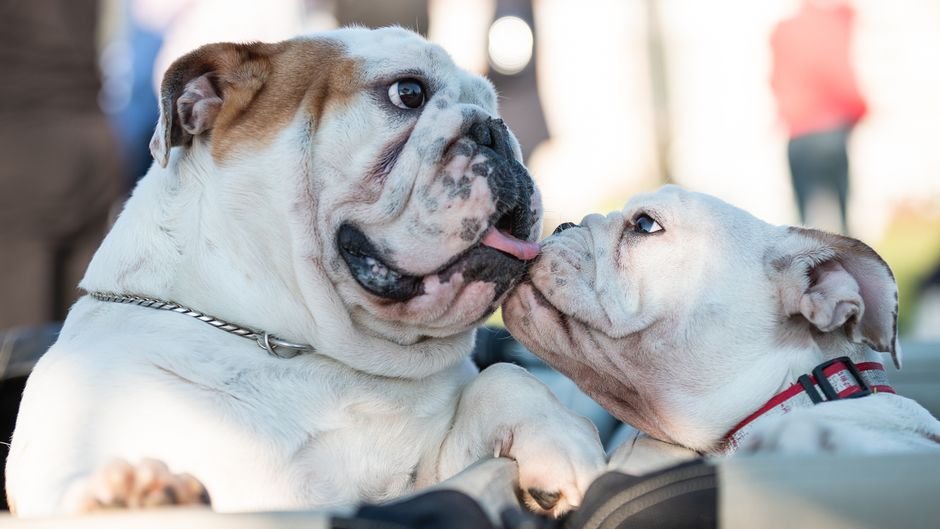
English Bulldogs are brachycephalic, meaning their skulls are shortened and compressed. The soft tissue inside hasn’t shrunk to match, so they end up with narrowed nostrils, an elongated soft palate, and a narrower windpipe than most dogs. This cluster of issues is called Brachycephalic Obstructive Airway Syndrome, or BOAS.
The result? Every breath takes more effort than it should. BOAS is graded from mild to severe, and many English Bulldogs sit somewhere in the middle without their owners realising it. How English Bulldogs differ structurally from American Bulldogs explains this well, since American Bulldogs have longer muzzles and far fewer respiratory issues as a result.
English Bulldog Breathing Problems Signs and Home Management
You may have noticed a range of sounds and behaviours that leave you wondering what’s normal and what’s not. Here’s how to read the signs.
Noisy breathing and snoring are almost universal in the breed. On their own, they indicate BOAS is present but may not signal a crisis. Watch for whether the noise is getting worse or appearing at new times.
Open-mouth breathing at rest is different. A Bulldog that breathes through their mouth while lying still is working harder than they should be. This is a sign the upper airway is significantly obstructed and deserves a vet conversation soon.
Exercise intolerance shows up as stopping earlier than expected, refusing to walk further, or recovering slowly after mild activity. If a five-minute stroll leaves your dog heaving for several minutes, that recovery time matters.
Gagging or retching often accompanies BOAS because an elongated soft palate can trigger the gag reflex. You may also notice your dog swallowing repeatedly or bringing up frothy mucus.
The signs you can see and hear at home are often more diagnostically useful than anything a vet captures in a ten-minute appointment.
Blue or grey-tinged gums mean your dog isn’t getting enough oxygen. This is an emergency. Stop reading and call your vet or an emergency clinic immediately.
Emergency Red Flags: Call Your Vet Immediately If You See These
Some English bulldog breathing problems signs and home management steps simply can’t wait. The following require urgent veterinary attention, not a “wait and see” approach:
- Gums or tongue appearing blue, purple, or grey
- Extreme distress, panic, or inability to settle
- Breathing that becomes completely silent after being very noisy (this can indicate total airway obstruction)
- Collapse or loss of consciousness
- Breathing with the neck stretched out and elbows flared, which signals severe respiratory effort
- Breathing distress combined with a high temperature (hot to touch, excessive drooling)
These are genuine emergencies. Please do not attempt home management in any of these situations.
Home Management Tips to Ease Everyday Breathing
For day-to-day English bulldog breathing problems, signs and home management go hand in hand. Small changes genuinely reduce the strain on your dog’s airway.
Weight management is probably the single most impactful thing you can do. Extra weight puts pressure on the chest and makes BOAS significantly worse. Even modest weight loss can improve breathing noticeably. See our guide on weight and nutrition concerns in English Bulldogs for more detail.
Switch to a harness. Collars press directly against an already compressed trachea. Choosing a harness instead of a collar for your English Bulldog takes pressure off the neck and makes breathing easier on every walk.
Limit exercise in heat. English Bulldogs struggle to cool themselves efficiently. Walk them early in the morning or after sunset in warmer months. Keep sessions short and carry water.
Sleep positioning matters. Some Bulldogs breathe more easily elevated slightly at the front, or on their sides rather than their chests. Watch where your dog naturally positions themselves to breathe most comfortably, and support that.
Reduce excitement spikes. Intense play, visitors arriving, or car journeys can trigger breathing episodes. Keep greetings calm and build in recovery time.
Environmental Adjustments That Make a Real Difference
Your home environment plays a bigger role than most owners expect. Keep indoor temperatures low, ideally with air conditioning or a fan running in summer. Warm, stuffy rooms are particularly hard on a Bulldog’s airway.
Avoid cigarette smoke, strong cleaning products, and aerosol sprays near your dog. These can cause airway irritation that compounds existing BOAS symptoms. A HEPA air filter in the rooms where your Bulldog sleeps most can help reduce airborne irritants. Humidity also matters: very dry air can irritate the throat, while high humidity makes breathing feel more laboured. A cool, well-ventilated room is the ideal.
How Breathing Strain Affects Overall Health
Chronic breathing difficulty doesn’t stay isolated. Poor sleep quality is one early consequence: a Bulldog who wakes frequently due to airway obstruction is tired, irritable, and less active, which then feeds into weight gain. Weight gain worsens BOAS. It becomes a cycle.
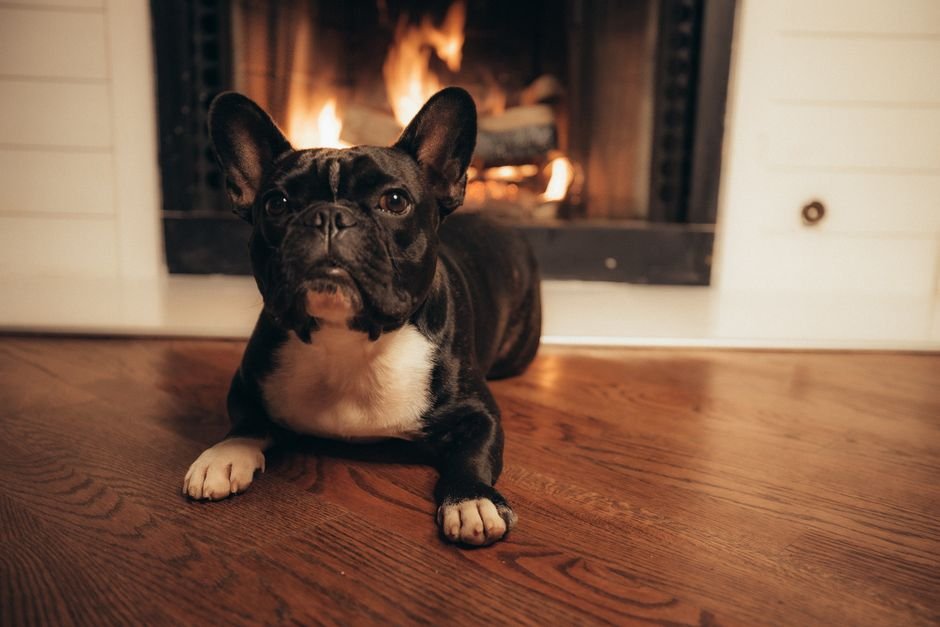
Over time, the extra effort of breathing can place strain on the heart. This is one reason vets take BOAS seriously even in dogs who seem to be “coping.” French Bulldogs face very similar breathing challenges for the same structural reasons, and the long-term risks are comparable.
When Home Management Isn’t Enough
If your Bulldog’s symptoms are persistent or affecting their quality of life, your vet may recommend a formal BOAS assessment. This typically involves observing the dog at rest and during mild exercise, and sometimes scoping the airway.
Surgical options your vet might discuss include widening the nostrils (nares resection), shortening the soft palate, and in some cases, widening the trachea. These procedures, when carried out on appropriate candidates, are associated with meaningful improvements in airflow and quality of life. They are not cosmetic, and your vet is best placed to advise whether your dog would benefit.
A Practical Next Step
Start by keeping a brief record of your Bulldog’s breathing over the next week: when it seems loudest, what triggers it, and how long recovery takes after exercise. This information is genuinely useful to your vet and helps track whether things are improving or worsening. If you’re seeing any of the emergency signs listed above, act now rather than waiting for a routine appointment.
FAQ
Is it normal for English Bulldogs to breathe loudly all the time?
Some level of noisy breathing is normal for the breed due to their compressed airways. However, if the noise has changed, worsened, or is now accompanied by open-mouth breathing at rest, reduced energy, or gagging, those changes deserve a vet check rather than being dismissed as “just how Bulldogs are.”
What should I do if my English Bulldog is struggling to breathe at night?
Keep them cool, calm, and in a well-ventilated room. Adjust their sleeping position if possible. If the distress is severe, persistent, or the gums look pale or blue, contact an emergency vet immediately. Night-time episodes can be more serious because owners aren’t awake to monitor them closely.
Can losing weight really improve my English Bulldog’s breathing?
Yes, genuinely. Fat deposits around the throat and chest increase airway restriction in dogs already affected by BOAS. Even a small reduction in body weight can reduce the effort needed to breathe. It’s one of the most accessible and impactful home management steps available to owners.
How do I know if my Bulldog needs surgery for their breathing?
If home management isn’t improving symptoms, your dog is avoiding exercise, sleeping poorly, or having regular episodes of distress, ask your vet for a BOAS assessment. Surgery isn’t always needed, but for moderate to severe cases it can significantly reduce long-term health risks and improve daily comfort.