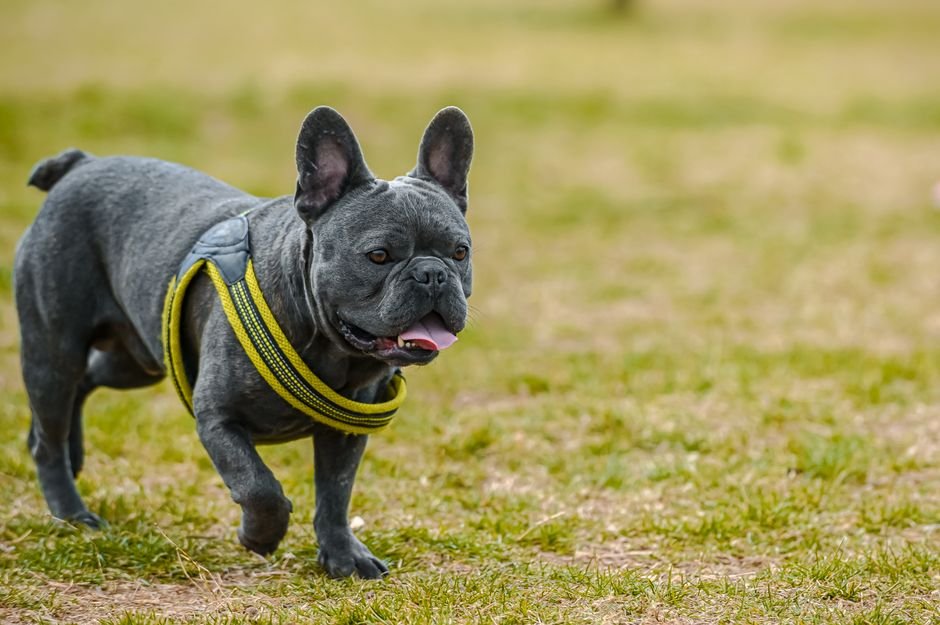

If you’re weighing up the raw diet for bulldogs, the pros, cons, and how to start safely are probably the three things you need answered before making any decisions. Raw feeding has genuine appeal for bulldog owners, especially those dealing with persistent skin issues, dodgy digestion, or a dog that just seems to plod through life on kibble. But bulldogs aren’t generic dogs, and the standard raw feeding advice you find online doesn’t always account for their very specific health quirks.
Key Takeaways
- Raw feeding can offer real benefits for bulldogs, particularly for skin, digestion, and coat quality, but these outcomes are not guaranteed and vary considerably between individual dogs.
- Bulldogs’ brachycephalic anatomy, skin fold sensitivity, and joint fragility mean the raw diet pros, cons, and how you start safely all look slightly different for this breed compared to others.
- Bacterial contamination and nutritional imbalance are the two most serious risks; both are manageable with proper hygiene and a well-structured meal plan.
- A slow, controlled transition over two to four weeks dramatically reduces digestive upset during the switch.
- Always consult your vet before making a significant dietary change, particularly if your bulldog has existing health conditions or is on medication.
What Is a Raw Diet for Bulldogs? (BARF vs. Prey Model Explained Simply)
A raw diet means feeding your bulldog uncooked animal protein, bones, and organs rather than processed kibble or wet food. Two main approaches exist, and they handle the raw diet for bulldogs’ pros, cons, and how to start safely in slightly different ways.
The BARF model (Biologically Appropriate Raw Food) includes muscle meat, raw meaty bones, organ meat, and a portion of fruits, vegetables, and sometimes eggs or dairy like plain kefir. The Prey Model takes a stricter line, aiming to replicate a whole animal carcass: roughly 80% muscle meat, 10% raw edible bone, and 10% organ (of which half is liver). No plant matter at all.
For bulldogs specifically, BARF tends to be the more practical starting point. The inclusion of vegetables and eggs makes it easier to hit a nutritional baseline, and many bulldog owners find the flexibility helpful when introducing foods one at a time, which matters a lot for a breed prone to food sensitivities.
Potential Benefits of Raw Feeding for Bulldogs
Owners who switch often report improvements in coat shine, skin condition, stool consistency, and energy levels. For bulldogs, the skin and digestion angle is particularly relevant. Highly processed kibble frequently contains rendered by-products, artificial preservatives, and grain fillers that can contribute to inflammatory responses in sensitive dogs. Removing those ingredients eliminates potential triggers, though it’s worth noting that food sensitivities vary between dogs, and switching to raw doesn’t automatically resolve every skin issue. If your English bulldog has persistent itching, it’s also worth reading up on the best foods for English bulldogs with skin allergies for a broader picture.
Smaller, firmer stools are a genuinely common outcome with raw feeding, and that’s not trivial for bulldogs. Because of their body shape and low-slung posture, anal gland problems are common in the breed, and firmer stools help express the glands naturally during defecation.
For bulldogs prone to skin fold inflammation and chronic itching, reducing processed ingredients is often the first logical dietary step, raw feeding makes that elimination straightforward.
Joint health is another consideration. American bulldogs especially carry significant muscle mass and benefit from high-quality, bioavailable protein. For more on building and maintaining that muscle through nutrition, see this guide on best dog food for American Bulldog muscle development. Raw protein sources are generally more bioavailable than heat-processed equivalents, though the practical difference depends on the specific kibble you’re comparing against.
Risks and Downsides You Should Know Before Switching
The two biggest risks are bacterial contamination and nutritional imbalance. Raw meat carries pathogens including Salmonella and Listeria. Both the WSAVA and BSAVA have published position statements cautioning against raw feeding partly on this basis, not only for the dog’s health, but because of zoonotic transmission risk to humans handling the food or in contact with the dog’s saliva and faeces. This risk is real, particularly in households with young children, elderly people, or immunocompromised individuals.
Nutritional imbalance is the other major concern. A raw meal that hasn’t been carefully formulated may lack calcium, phosphorus, zinc, or key vitamins. AAFCO and PFMA guidelines exist for a reason: “complete and balanced” is a specific standard, not a marketing phrase. Homemade raw diets that don’t follow a tested recipe or aren’t supplemented appropriately can leave bulldogs deficient over time, with consequences that show up slowly and aren’t always obvious.
Bone feeding carries its own subset of risks. Raw bones are generally safer than cooked ones, but the wrong bone for a bulldog’s flat face and stocky jaw can still cause dental fractures or choking. Weight-bearing bones from large animals (like beef femurs) are hard enough to crack teeth.
Raw Diet for Bulldogs: Pros, Cons, and How to Start Safely, A Quick Comparison
| Potential Pros | Potential Cons |
|---|---|
| Improved coat and skin condition (may reduce inflammation triggers) | Bacterial contamination risk (Salmonella, Listeria) |
| Firmer stools, better anal gland health | Nutritional imbalance if meals aren’t properly formulated |
| Fewer processed ingredients and artificial additives | Time-consuming to prepare and source correctly |
| Highly bioavailable protein for muscle maintenance | Higher cost than many commercial kibbles |
| Easier elimination of specific allergens | Bone feeding risks (choking, dental fractures) |
How to Start a Raw Diet for Your Bulldog Safely: A Step-by-Step Guide
Starting a raw diet for bulldogs safely means resisting the urge to overhaul everything at once. Bulldogs have sensitive digestive systems, and an abrupt change is likely to cause loose stools, vomiting, or refusal to eat.
- Choose a single protein source to begin. Chicken or turkey are common starting points because they’re lean, widely available, and easy to digest. Avoid mixing proteins in the first two weeks.
- Transition gradually over two to four weeks. Start with 25% raw mixed into your bulldog’s existing food, then increase by roughly 25% every five to seven days if stools and appetite remain stable.
- Source from a reputable supplier. Human-grade raw meat from a butcher or a dedicated raw pet food supplier is preferable. Avoid supermarket meat past its use-by date.
- Introduce organs slowly. Liver is nutrient-dense but causes loose stools in excess. Keep organ meat to around 10% of the total meal, and introduce it only after the base protein is well-tolerated.
- Supplement where needed. Unless you’re using a pre-made complete raw product, you’ll likely need to add a fish oil source (for omega-3s) and ensure adequate bone content for calcium. A vet or veterinary nutritionist can advise on this for your specific dog.
- Log everything. Note what you’re feeding, portion sizes, and any changes in coat, stools, energy, or skin. This record is invaluable if problems arise.
French Bulldog owners should be aware that puppies have specific nutritional requirements that differ from adult raw feeding guidelines. The diet tips for French Bulldog puppies page covers this in more detail.
Common Raw Feeding Mistakes Bulldog Owners Make
Switching too fast is the most common error. Bulldogs aren’t known for ironclad stomachs, and even a dog that seems enthusiastic about the new food can experience a rough digestive transition if the change is too abrupt.
Feeding too much bone is another frequent misstep. Because bulldogs have flat faces, they don’t grip and chew bones the same way a Labrador does. Soft raw meaty bones like chicken wings or necks are generally more appropriate than large marrow bones, and supervision is non-negotiable.
Skipping the vet conversation is a mistake even experienced raw feeders make. If your bulldog is on medication, has kidney or liver issues, or is immunocompromised, raw feeding requires a more careful approach. Assuming a “natural” diet is automatically safe regardless of individual health status is a shortcut worth avoiding.
Finally, treating raw as inherently complete without checking formulation is a nutritional gamble. The raw diet for bulldogs, its pros, cons, and how to start safely all hinge on whether the meals you’re preparing actually meet your dog’s daily requirements. A well-formulated raw diet and a poorly formulated one look identical in the bowl.
Making the Final Call
Raw feeding can be a genuinely good fit for some bulldogs, particularly those with identified food sensitivities, chronic skin issues, or poor stool consistency on commercial food. It’s not a miracle fix, and it’s not right for every dog or every household. The honest version of the raw diet for bulldogs pros, cons, and how to start safely is this: the upside is real but conditional, and the risks are manageable but not trivial.
Start by speaking to your vet, ideally one familiar with canine nutrition. If you want independently researched, bulldog-specific guidance to bring to that conversation, Infipet’s breed guides are a solid starting point, compiled by Victor Hardy, a registered clinical vet with extensive experience in pet nutrition and healthcare. The more informed that conversation is, the better the outcome for your dog.
FAQ
Can bulldogs eat raw chicken bones safely?
Raw chicken bones (not cooked) are generally safer than cooked ones, which splinter dangerously. Soft bones like chicken wings or necks are more suitable for bulldogs’ flat jaws than large bones. Always supervise bone feeding, and avoid offering anything large or weight-bearing that could fracture teeth or cause choking.
Will a raw diet help my bulldog’s skin allergies and itching?
It may help if the trigger is an ingredient in processed food, many bulldog owners report improvements after removing common allergens like certain grains or artificial additives. However, skin issues can also stem from environmental causes or contact allergies, so raw feeding won’t resolve every case. A vet assessment is worthwhile before switching.
How much raw food should I feed my bulldog per day?
A common starting guideline is roughly 2 to 3% of your bulldog’s ideal body weight per day, split across two meals. Active dogs may need more, overweight or less active dogs less. These are starting estimates only, monitor body condition closely and adjust with your vet’s input, since bulldogs vary significantly in size and metabolism.
Is a raw diet safe for bulldogs with existing health conditions?
Not always, without veterinary guidance. Bulldogs with kidney disease, liver conditions, compromised immunity, or those on certain medications need a more cautious approach. Raw meat carries pathogens that a healthy immune system handles but a compromised one may not. Always discuss your dog’s specific health history with your vet before making the switch.