
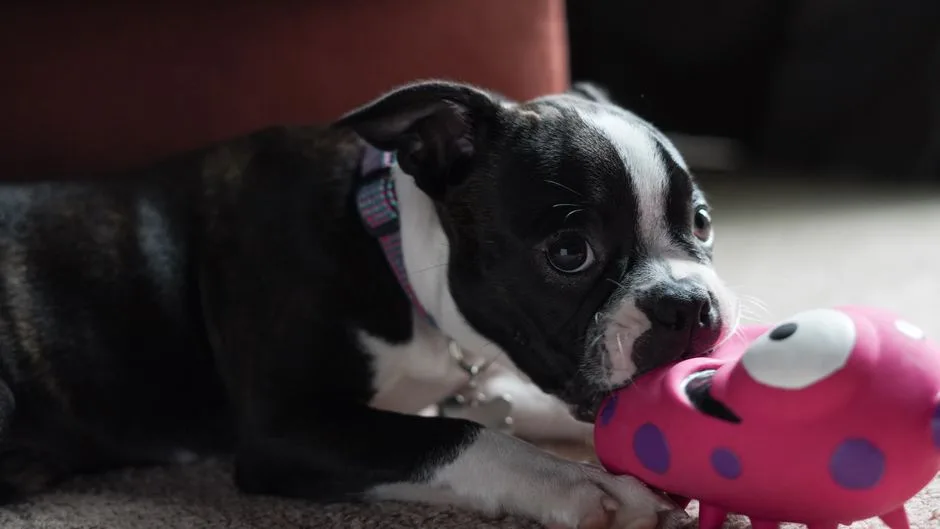
Boston Terrier grooming tips and routine advice doesn’t need to be complicated, and your Boston is genuinely one of the easier breeds to care for at home. That said, “easy” doesn’t mean “skip it.” Their distinctive features, those wide eyes, folded skin near the nose, and signature bat ears, each come with specific needs that a generic dog grooming guide simply won’t cover.
Why Grooming a Boston Terrier Is Easier Than You Think (But Still Important)
No long coats to detangle. No breed-specific clips to master. Your Boston Terrier’s short, smooth coat is genuinely low-effort compared to, say, a Poodle or a Cocker Spaniel. Most owners can handle everything at home with a few basic tools and about 20 minutes a week.
The real reason grooming matters for this breed isn’t aesthetic, it’s health. Boston Terriers are a brachycephalic breed, which means their flat facial structure creates skin folds and large, exposed eyes that need regular attention to avoid infection. Skipping grooming doesn’t just affect the tuxedo look; it can lead to real discomfort and vet bills. Think of the routine as maintenance, not vanity.
Boston Terrier Coat Care: Brushing, Shedding, and Bathing Schedule
Boston Terriers do shed, but it’s minimal compared to double-coated breeds. A quick brush once or twice a week is usually enough to keep loose hairs under control and distribute natural skin oils across the coat.
Use a rubber grooming mitt or a soft-bristle brush. Both work well on short coats and most Bostons actually enjoy the sensation. It doubles nicely as a bonding moment, especially for puppies getting used to being handled.
How Often to Bathe Your Boston Terrier
Bathing every four to six weeks is the standard for most Bostons. Their skin can dry out with over-bathing, so resist the urge to scrub them down every weekend unless they’ve rolled in something memorable. Always use a gentle, dog-specific shampoo, one formulated for sensitive skin is a solid choice for this breed. Rinse thoroughly, since residue left near the facial folds can irritate the skin.
After the bath, dry them well, especially around the face and any fold areas. A warm towel works, and a low-heat hairdryer on the lowest setting is fine if your dog tolerates it.
Cleaning Those Expressive Eyes: Discharge, Tear Stains, and What to Watch For
The eyes are arguably the most important part of your Boston Terrier grooming routine. Because their eyes are large and prominent, they’re more exposed to dust, debris, and irritants than most breeds. A small amount of clear or slightly grey discharge in the inner corners is completely normal, especially first thing in the morning.
Wipe the eye area daily with a soft, damp cloth or a pet-safe eye wipe. Always wipe away from the eye, never toward it. Tear stains (the reddish-brown streaks below the eyes) are common. A warm, damp cloth once a day usually keeps them manageable. Some owners use tear stain remover products designed for dogs, which can help on persistent staining.
When to Call the Vet
Clear discharge is normal. Yellow or green discharge, swelling, cloudiness, or a dog that keeps pawing at their eyes, those are signs to contact your vet. Boston Terriers are prone to eye conditions including corneal ulcers, so don’t delay if something looks off. This isn’t an area to take a wait-and-see approach.
Facial Fold and Wrinkle Care (Yes, They Have Them)
Boston Terriers are not as wrinkly as English Bulldogs, but most do have a small fold of skin above the nose and sometimes around the muzzle. That fold traps moisture, and moisture is where yeast and bacteria thrive.
Clean the folds two to three times a week using a soft cloth, a cotton pad, or a dog-safe skin fold wipe. Gently separate the skin, wipe inside the fold, and then dry it completely. Keeping it dry is the key step, cleaning without drying leaves moisture behind and defeats the purpose.
If you notice redness, a sour smell, or your Boston rubbing their face repeatedly on the carpet, that fold may be irritated or infected. A vet visit is the right move rather than trying to treat it yourself at home. For background on Boston Terrier’s overall health and lifespan, it’s worth knowing that skin fold dermatitis is one of the more common recurring issues in the breed.
Ear Cleaning Routine: Keeping Those Bat Ears Healthy
Those upright bat ears are one of the breed’s most iconic features. The good news is that upright ears get more airflow than floppy ones, which reduces the risk of infection. Still, wax and debris do build up, and a monthly clean keeps things in check.
Use a vet-approved ear cleaning solution and cotton balls or gauze pads. Squeeze a small amount of solution into the ear canal, gently massage the base of the ear for about 20 seconds, then let your dog shake their head. Wipe away the loosened wax with a cotton ball. Never insert anything deep into the ear canal.
If you notice a strong odour, dark brown wax, or your dog scratching at their ears persistently, that’s worth a vet check. If you’re curious about Boston Terrier ear development, you’ll find that the ears often go through stages before fully standing, during that time, keeping them clean is especially important.
Nail Trimming: How Often and How to Do It Without the Drama
Nails should be trimmed every three to four weeks. If you can hear clicking on hard floors, they’re overdue. Long nails change how a dog bears weight and can cause joint discomfort over time.
Use a quality guillotine-style or scissor-style dog nail clipper. Clip small amounts at a time to avoid the quick (the blood vessel running through the nail). Boston Terriers tend to have dark nails, which makes the quick harder to see, so clip conservatively. If you do catch the quick, a pinch of styptic powder stops the bleeding quickly.
Start nail trimming young, handle paws often, and keep sessions short and positive. Treats help. A lot. Some dogs never love it, but with consistency they tolerate it calmly, and that’s the goal.
Dental Hygiene: The Grooming Step Most Owners Skip
Dental disease is one of the most common preventable health problems in dogs, and brachycephalic breeds like Boston Terriers are particularly prone to it because their teeth are crowded into a shorter jaw structure. Brushing three to four times a week makes a real difference.
Use a dog-specific toothbrush and toothpaste (never human toothpaste, as xylitol is toxic to dogs). Finger brushes work well for beginners and help your dog get comfortable with the sensation. Dental chews and water additives can supplement brushing but shouldn’t replace it entirely.
You might notice your Boston licking their lips or paws frequently, this is sometimes linked to oral discomfort or nausea. If you’ve wondered about why your Boston Terrier licks so much, it’s worth reading up on the range of causes, as dental issues can sometimes be a factor.
Boston Terrier Grooming Routine: A Simple Weekly and Monthly Schedule
Here’s a repeatable routine you can build into your week without it feeling like a chore.
- Daily: Wipe eye discharge and check for any tear staining. Takes 60 seconds.
- Every two to three days: Clean facial folds, dry thoroughly.
- Weekly: Brush coat with a rubber mitt. Check paws for cracking or debris.
- Every three to four weeks: Trim nails, clean ears.
- Every four to six weeks: Bath with gentle shampoo.
- Three to four times a week: Brush teeth.
Write it on a calendar or set phone reminders when you’re starting out. After a few months, it becomes second nature and your Boston will actually start to recognise the routine.
Tools and Products Worth Having for Boston Terrier Grooming

You don’t need a professional kit. A small collection of quality basics is enough.
- Rubber grooming mitt or soft-bristle brush
- Gentle, hypoallergenic dog shampoo (sensitive skin formula)
- Pet-safe eye wipes or clean soft cloths for daily eye care
- Skin fold wipes or unscented baby wipes approved for pets
- Vet-approved ear cleaning solution and cotton balls
- Dog nail clippers (guillotine or scissor style) and styptic powder
- Dog toothbrush and enzymatic dog toothpaste
Buy tools once and maintain them. Dull nail clippers crush rather than cut, which is uncomfortable. Replace blades or clippers annually if you use them regularly. Following solid Boston Terrier grooming tips and routine practices means having the right tools on hand so you’re not improvising mid-session.
FAQ: Boston Terrier Grooming Questions Answered
How often should you bathe a Boston Terrier?
Every four to six weeks is the right frequency for most Boston Terriers. Bathing more often can strip natural oils and cause dry, irritated skin. Use a gentle, dog-formulated shampoo and dry thoroughly, especially around facial folds and ears.
Do Boston Terriers need professional grooming?
Not typically. Their short coat doesn’t require clipping or styling, so most owners manage everything at home. A professional groomer can be useful for nail trims if your dog is resistant, or for a thorough bath if you prefer it. Some owners go once or twice a year as a treat, but it’s not a requirement for this breed.
How do you clean a Boston Terrier’s eye discharge?
Use a soft, damp cloth or a pet-safe eye wipe. Wipe gently from the inner corner outward, away from the eye. Do this daily. If the discharge is yellow or green, or your dog’s eye looks swollen or cloudy, contact your vet rather than waiting to see if it clears up on its own.
Do Boston Terriers shed a lot and how do you manage it?
Boston Terriers shed moderately, not heavily. Brushing once or twice a week with a rubber grooming mitt removes loose hairs before they land on your furniture. Consistent brushing is genuinely the most effective management tool. Shedding can increase slightly during seasonal changes, but it remains manageable year-round.
How do you clean a Boston Terrier’s ears safely at home?
Use a vet-approved ear cleaning solution and cotton balls. Apply the solution to the cotton ball or directly into the ear canal as directed, massage the base of the ear gently, let your dog shake their head, then wipe away loosened debris with a fresh cotton ball. Never use cotton swabs deep in the canal. Clean monthly under normal circumstances, or more often if your vet recommends it.