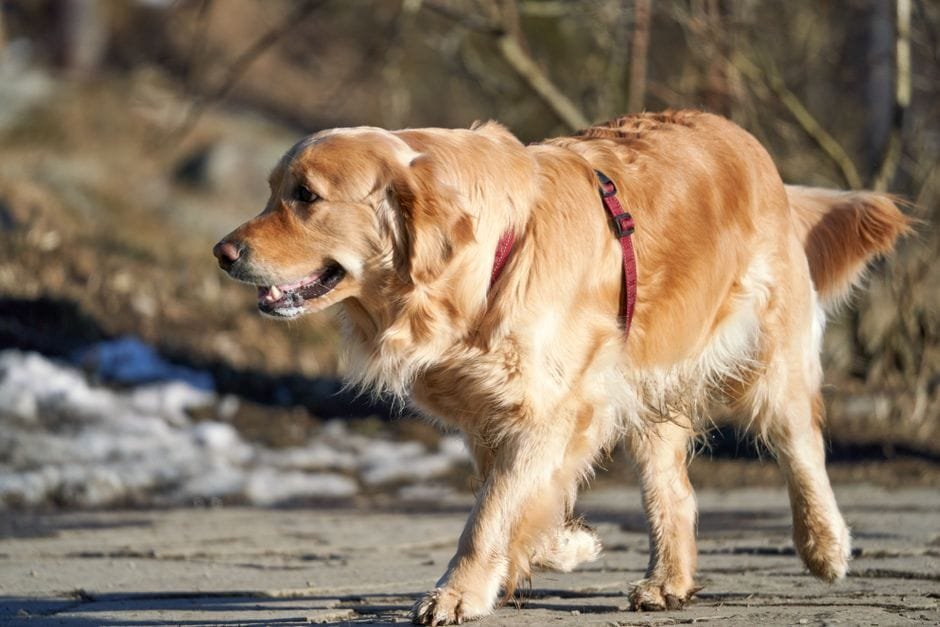
A solid golden retriever grooming routine at home is one of the best things you can do for your dog’s health, comfort, and your own sanity. Yes, the double coat looks intimidating at first. But once you get into a rhythm, the whole process becomes something you and your dog actually look forward to together.
Why Golden Retrievers Need a Consistent Grooming Routine
Golden Retrievers have a dense double coat: a soft, insulating undercoat beneath a longer, water-resistant outer layer. Without regular brushing, that undercoat mats, traps moisture, and can cause skin irritation underneath where you can’t easily see it.
Regular grooming also means you’re running your hands over your dog consistently. You’ll spot lumps, ticks, ear infections, or skin issues early, long before they become serious problems. That’s not a small thing. For a breed as lovable and people-oriented as Goldens (genuinely a great breed for first-time owners), building a grooming habit also deepens your bond. Think of it as structured time together, not a chore.
The Essential Tools You Need Before You Start
You don’t need a professional toolkit, but you do need the right basics. The wrong brush on a double coat either skips the undercoat entirely or pulls painfully.
- Slicker brush: Great for the outer coat and catching loose fur before it hits your sofa.
- Undercoat rake or deshedding tool: Essential for pulling out the dense undercoat, especially during shedding season. The Furminator is popular for good reason.
- Wide-tooth comb: Use this after brushing to check for hidden tangles, particularly behind the ears and around the legs.
- Dog nail clippers or a grinder: Clippers are faster; grinders are safer if you’re nervous about the quick.
- Dog-specific shampoo and conditioner: Human shampoo disrupts a dog’s skin pH. A moisturising, coat-friendly formula works best for Goldens.
- Ear cleaning solution: Vet-approved drops for routine maintenance.
- Dog toothbrush and toothpaste: Never use human toothpaste; it contains xylitol, which is toxic to dogs.
How Often to Groom a Golden Retriever (Frequency Guide by Task)
Frequency matters as much as technique. Doing too little means mats and misery; doing too much bathing strips the coat’s natural oils. Here’s a simple guide to follow:
- Brushing: 3 to 4 times per week minimum; daily during shedding season
- Bathing: Every 4 to 6 weeks, or when visibly dirty
- Nail trimming: Every 3 to 4 weeks
- Ear cleaning: Every 1 to 2 weeks
- Teeth brushing: Daily if possible; 3 times per week at minimum
- Trimming (paws, ears, feathering): Every 6 to 8 weeks
Print this out and stick it somewhere visible. A grooming schedule removes the guesswork and keeps tasks from piling up.
Step-by-Step Home Grooming Routine for Golden Retrievers
Work through this order every session. It flows logically and keeps your dog calm rather than bouncing between tasks.
- Start with a dry brush. Before any water touches your dog, brush the entire coat with your slicker brush. Work section by section, from the neck toward the tail, then down the legs. This removes surface debris and loose fur.
- Follow with the undercoat rake. Go back through the same sections with the rake. You’ll pull out surprising amounts of soft undercoat. Don’t rush this step.
- Check for mats. Run the wide-tooth comb through trouble spots: behind the ears, the armpits, around the collar line, and behind the back legs. Work mats loose gently with your fingers first, never yank.
- Bathe if it’s bath day. Use lukewarm water, lather thoroughly down to the skin, rinse completely (incomplete rinsing causes itching), and towel-dry followed by a low-heat blow dryer if your dog tolerates it.
- Clean the ears. Apply a few drops of ear cleaning solution, gently massage the base of the ear for about 30 seconds, then let your dog shake. Wipe the outer ear canal with a cotton ball. Never insert anything deep into the ear canal.
- Trim the nails. Clip just the tip, avoiding the pink quick. If you can hear clicking on hard floors, the nails are overdue.
- Brush the teeth. Use gentle circular motions on the outer surfaces. Your dog may not love it at first. It gets easier with practice, especially if you start with a flavoured toothpaste.
- Finish with a final brush-through. A quick once-over after everything settles the coat and ends the session on a calm, positive note.
Reward generously throughout. Treats, praise, and short breaks keep nervous dogs from associating grooming with stress.
How to Handle Shedding Season Without Losing Your Mind
Goldens shed year-round, but twice a year (typically spring and autumn) they “blow” their coat. During these weeks, the volume of fur coming out is genuinely staggering. Daily brushing with an undercoat rake is non-negotiable during these periods.
A few things that genuinely help: brush outside when you can, invest in a good pet hair vacuum (the Dyson Ball Animal is a favourite among Golden owners), and consider a deshedding treatment at a grooming salon once per season to get the heavy undercoat out faster than home brushing alone can manage.
Diet plays a role too. A high-quality diet with adequate omega-3 fatty acids supports coat health and can reduce excessive shedding. Talk to your vet before adding any supplements, but fish oil is commonly recommended for double-coated breeds. Keeping your Golden healthy long-term, including keeping your Golden healthy long-term, is closely tied to consistent coat and skin care.
Bathing Your Golden Retriever at Home: Tips and Frequency
Bathing too frequently strips the natural oils that keep a Golden’s coat water-resistant and healthy. Every 4 to 6 weeks is the sweet spot for most dogs, though muddy adventures may push that forward.
Always brush before bathing. Washing a matted coat tightens the mats and makes them significantly harder to remove. Use a handheld shower head if you have one; it makes rinsing the undercoat far more thorough than pouring water from above.
When drying, work the dryer against the coat growth direction to lift and dry the undercoat. Leaving the undercoat damp is a common cause of “hot spots,” those raw, irritated skin patches that Golden owners dread. If your dog consistently develops skin issues, check with your vet; it may indicate a sensitivity to a product or an underlying skin condition.
Ears, Nails, and Teeth: The Often-Skipped Grooming Steps
These three get skipped more than any other task, usually because they feel awkward at first. But they matter enormously.
Golden Retrievers’ floppy ears trap moisture and restrict airflow, making them prone to ear infections. Otitis externa (outer ear infection) is one of the most common health complaints in the breed. Cleaning weekly or fortnightly dramatically reduces the risk. Signs of infection include redness, smell, discharge, or your dog pawing at their ears. That warrants a vet visit, not a home clean.
Nails that grow too long change how a dog distributes weight, which over time stresses joints. Trim little and often rather than waiting until they’re very long. If you accidentally cut the quick and it bleeds, apply styptic powder or cornstarch and firm pressure. It looks worse than it is.
Dental disease affects the majority of dogs over three years old, according to veterinary research. Daily brushing is the gold standard. Dental chews and water additives help but don’t replace brushing. Start young if you can, and if you’re working with a puppy, getting your puppy comfortable with grooming early makes every future session smoother.
When to See a Professional Groomer Instead
Home grooming covers most of what your Golden needs, but there are times to bring in a professional.
- Severe or widespread matting that you can’t safely work through at home
- Coat “blowing” season, when a professional deshed treatment saves hours of brushing
- Trimming the feathering on legs, chest, and ears for a tidy finish (this takes practice and decent scissors)
- Your dog is extremely anxious or reactive during grooming despite consistent training
- Nail trims if you’re consistently struggling with the quick or your dog’s nails are very dark and difficult to read
Aim for a professional groom roughly every 8 to 12 weeks as a complement to your home routine, not a replacement for it. The best results come from consistent home care between appointments.
FAQ: Golden Retriever Grooming at Home
How often should you brush a Golden Retriever at home?
Brush at least 3 to 4 times per week during normal periods, and daily during shedding season. Regular brushing prevents mats, reduces loose fur in your home, and keeps the undercoat healthy.
Can I shave my Golden Retriever in summer to keep them cool?
No. Shaving a Golden Retriever’s double coat is strongly discouraged. The double coat actually insulates against heat as well as cold, and shaving it disrupts that function, increases sunburn risk, and can cause the coat to grow back unevenly. Consistent brushing and keeping the undercoat clear of dead fur is far more effective for keeping your dog cool.
What’s the best brush for a Golden Retriever’s double coat?
Use a combination of a slicker brush for the outer coat and an undercoat rake or deshedding tool for the dense inner coat. A wide-tooth comb is useful for checking for tangles after brushing. No single brush does everything this coat needs.
How do I stop my Golden Retriever from shedding so much?
You can’t stop shedding entirely; it’s a natural and healthy process for this breed. You can reduce the amount of loose fur around your home by brushing frequently, bathing every 4 to 6 weeks with a quality shampoo, feeding a diet rich in omega-3 fatty acids, and using a deshedding treatment at the groomer twice a year during coat-blowing season.