Learning how to train an American Bulldog to walk on a leash is one of the most rewarding things you can do for your dog, and your shoulders. These dogs are powerful, confident, and built like small tanks, so getting leash manners right early makes a massive difference to daily life.
Why Leash Training an American Bulldog Is Uniquely Challenging
American Bulldogs were bred to work. They are athletic, muscular, and naturally determined, traits that made them exceptional farm dogs but that can make a casual walk feel like a tug-of-war. A full-grown male can weigh anywhere from 75 to 120 pounds, and when that weight decides to lunge at a squirrel, you feel every ounce of it.
Stubbornness is also baked into the breed. These dogs think independently, which means they are not going to automatically defer to you the way a Border Collie might. They need a reason to cooperate, and “because I said so” is rarely convincing enough.
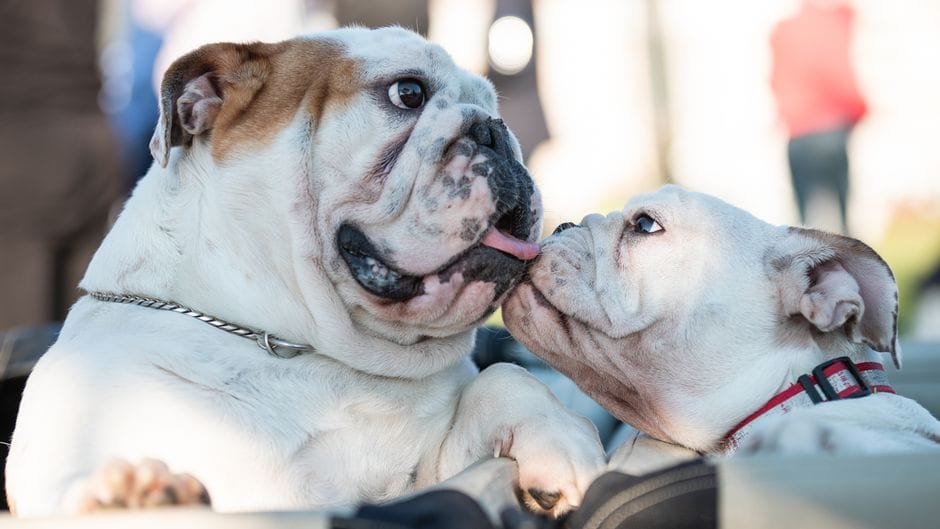
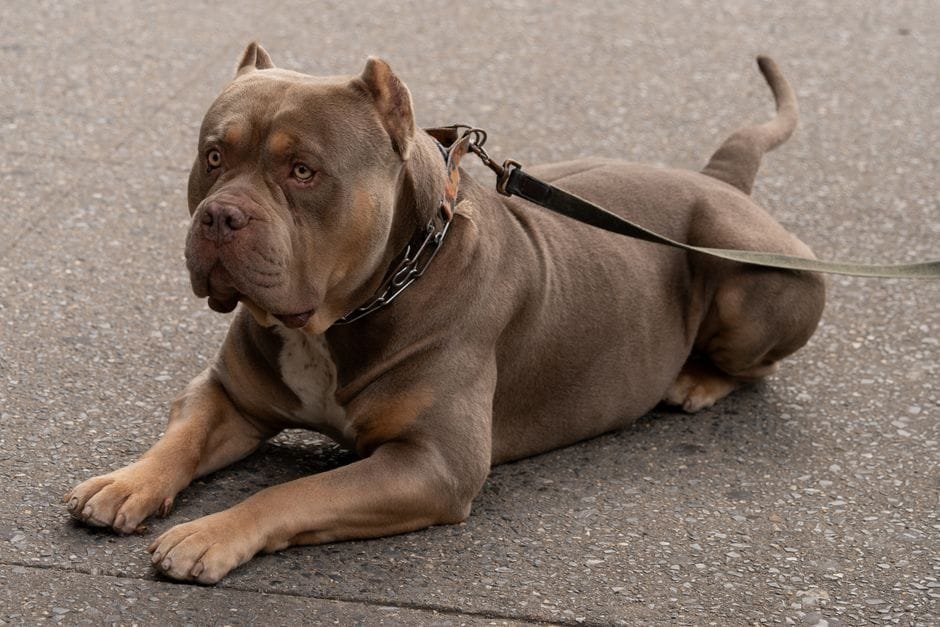
There is also the breathing factor. American Bulldogs are not fully brachycephalic (flat-faced) like French Bulldogs, but many do have shorter muzzles and broader chests. On hot days or during intense exercise, they can tire quickly and overheat. Leash walks should always be paced with this in mind. If you are curious how American Bulldogs compare to similar stocky breeds, this American Bulldog vs American Bully breakdown covers the key physical and temperament differences worth knowing.
What You’ll Need Before You Start (Gear and Equipment)
The right gear matters enormously with a strong breed. A thin nylon collar and a flimsy four-foot leash will not cut it.
- Harness: A no-pull or front-clip harness redirects forward momentum when your dog pulls, turning them back toward you rather than letting them power ahead. For a breed this strong, front-clip designs tend to be far more effective than back-clip styles.
- Leash: A standard six-foot leather or nylon leash gives you enough control without excess slack. Retractable leashes teach pulling habits, avoid them during training.
- High-value treats: Small, smelly, soft treats work best. Think cooked chicken, cheese, or commercial training treats. You need something your Bulldog finds genuinely exciting, not just tolerable.
- Treat pouch: Keeping rewards on your body and accessible means you can reward the exact moment good behaviour happens.
- Patience: Genuinely not optional with this breed.
Flat collars are fine for identification tags, but for actual training walks, a well-fitted harness gives you far better control and is more comfortable for your dog during extended sessions.
Step-by-Step: How to Leash Train an American Bulldog
This is the part you came for. Work through these stages in order. Do not rush to the next step until the current one is solid.
Step 1: Get Your Dog Comfortable with the Gear
Before you go anywhere, let your dog wear the harness around the house for short periods. Pair it with treats and praise so they associate it with good things. A dog that tenses up or fights the harness at the start will not focus on walking cues outside.
Step 2: Teach the “Let’s Go” Cue Indoors
Clip the leash on and walk a few steps in your living room. Say “let’s go” in a cheerful tone and reward your dog for moving with you. Keep sessions to five minutes. The goal here is simply teaching that a tight leash means stop, and staying near you means treats appear.
Step 3: Practice in the Yard or a Quiet Space
Move outside but stay in a low-distraction area. The moment your dog hits the end of the leash and pulls, stop completely. Plant your feet. Do not yank back. When the leash goes slack, even slightly, take one step forward and reward. Repeat this with almost tedious consistency.
Step 4: Introduce Direction Changes
Change direction frequently and unpredictably during walks. When your dog is forging ahead, quietly turn and walk the other way. When they catch up and walk beside you, reward them. This teaches your dog to watch you rather than just barrel forward.
Step 5: Add Real-World Distractions Gradually
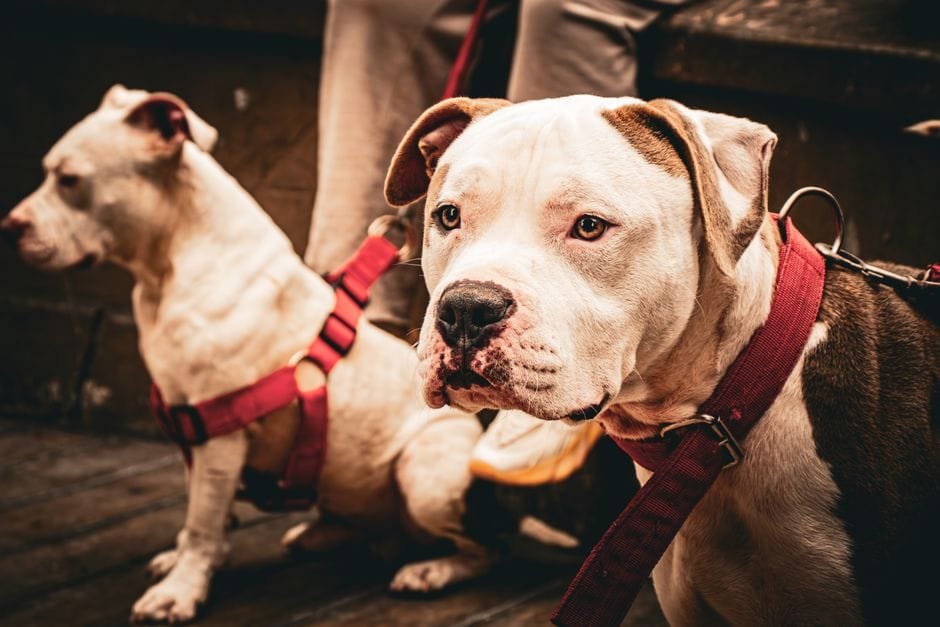
Once your dog walks reasonably well in your yard, move to a quiet street. Then a busier path. Then a dog-frequented park. Each new environment is like starting over a little, so drop your expectations and rebuild from easier rewards. This is normal, not failure.
Step 6: Proof and Maintain
Good leash manners need consistent reinforcement for months. Do not stop rewarding just because your dog is “getting it.” Gradually phase treats down to intermittent rewards, but keep praising. American Bulldogs can regress quickly if training becomes inconsistent.
Common Leash Problems and How to Fix Them
Pulling the Whole Walk
This is the classic issue. The fix is the stop-and-wait method from Step 3, applied every single time without exception. Inconsistency is the enemy. If you sometimes let pulling work, your dog learns that pulling works sometimes, which is enough to keep them doing it.
Planting and Refusing to Move
Some American Bulldogs will simply sit down and refuse to budge. Do not drag them. Crouch down, pat your leg, use a high-pitched cheerful voice, and let curiosity pull them forward. You can also turn around and walk the other direction to trigger their instinct to follow. Treats placed a few feet ahead can help too. Never punish the planted dog; it makes the association with walking worse.
Lunging at Distractions
Create distance from whatever is triggering the lunge. If your dog loses their mind at other dogs 20 feet away, start at 50 feet and reward calm behaviour. Gradually reduce the distance over multiple sessions. This is called threshold training, and it works well for reactive dogs.
Zigzagging and Wrapping the Leash
Teach a “heel” or “close” cue by luring your dog to your left side with a treat held at your hip. Reward them for matching your pace on that side. It takes repetition, but it gives your dog a specific job during the walk.
Training Tips Specific to American Bulldog Temperament
American Bulldogs respond best to positive reinforcement, but they need you to be consistent and clear. Harsh corrections often backfire with this breed, creating resistance rather than compliance. Think of it less like commanding and more like negotiating a partnership where you hold all the treats.
Keep training sessions short. Ten to fifteen minutes is plenty, especially for puppies. Bulldogs can switch off mentally when sessions drag on. Two short sessions a day beats one long miserable one.
Make yourself interesting. If every interesting thing in the environment is more rewarding than you are, your dog will ignore you. Vary your treats, your tone, and your pace. Occasionally produce an unexpected jackpot reward (a big handful of chicken) for exceptional focus. For a deeper look at this breed’s learning style, these American Bulldog training tips cover the broader picture of working with their personality.
Socialization matters too. A well-socialized American Bulldog is dramatically easier to walk because they are less reactive to strangers, dogs, and bikes. Start exposing your dog to the world early and positively. You can find solid guidance on socialisation from established dog training principles that apply across breeds.
How Long Does It Take to Leash Train an American Bulldog?
Honestly? It varies. A motivated puppy starting at 8 to 10 weeks can develop decent leash manners within 6 to 8 weeks of consistent daily work. An adult rescue dog with established pulling habits might take three to six months to meaningfully improve, and some pulling management (rather than elimination) is realistic for very large adults.
The biggest variable is consistency. Daily practice with clear rules produces faster results than sporadic intense sessions. Five minutes every single day beats an hour on Saturday and nothing the rest of the week. Knowing how to train an American Bulldog to walk on a leash is the starting point; doing it every day is what actually works.
Set realistic goals. A loose-leash walk in a quiet neighbourhood is an excellent first milestone. Perfect heeling past a dog park is a much later goal. Progress between these two points is still genuine progress, even when it does not feel like it.
FAQ
At what age should I start leash training my American Bulldog?
Start as early as 8 weeks old. Young puppies absorb new experiences quickly and have not yet built strong pulling habits. Even brief two to three minute sessions at this age build a foundation. The earlier you start, the less you have to undo later.
What type of harness or collar is best for an American Bulldog that pulls?
A front-clip harness is generally the most effective option for a pulling dog. The attachment point on the chest redirects your dog toward you when they pull forward, rather than giving them something to push against. Look for a well-padded, adjustable fit that suits your dog’s broad chest. Avoid prong or choke collars, especially for inexperienced owners, as misuse can cause injury.
Why does my American Bulldog refuse to walk on a leash and just sit or plant their feet?
Planting is a stubborn breed’s way of saying “I’d rather not.” Common causes include fear of a new environment, discomfort with the gear, overstimulation, or simply not yet understanding what you want. Never force or drag them. Instead, use high-value treats, a cheerful tone, and short sessions to build positive associations with walking. Patience here pays off enormously.
How do I stop my American Bulldog from pulling on the leash toward other dogs?
Work below your dog’s reaction threshold. Find the distance at which they notice another dog but stay calm, and reward that calmness heavily. Gradually reduce the distance over many sessions. Avoid letting your dog greet other dogs on leash as a reward for pulling, as this teaches them that pulling gets them what they want. Structured parallel walking with a familiar calm dog can also help over time.