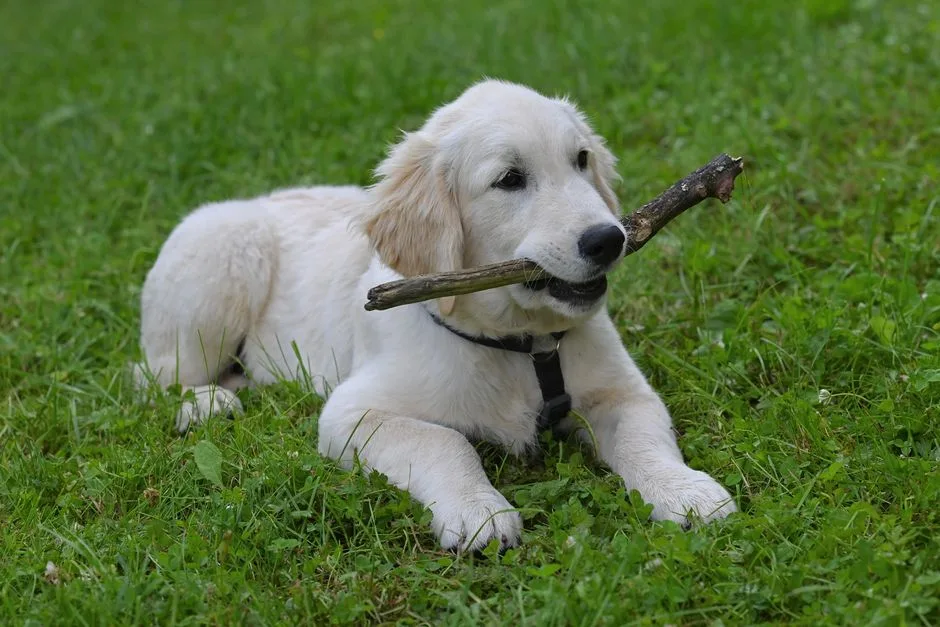

Golden retriever shedding tips on how to manage it start with one honest truth: your Golden will shed every single day of its life, and that’s completely normal. The good news is that understanding why it happens puts you in control, and a consistent routine makes a dramatic difference to both your home and your dog’s coat health.
Why Do Golden Retrievers Shed So Much? (The Double Coat Explained)
Golden Retrievers have a double coat, which is exactly what it sounds like: a soft, dense undercoat sitting beneath a longer outer coat of guard hairs. The undercoat insulates your dog against heat and cold. The outer coat repels water and dirt. Both layers shed, which is why the volume feels relentless compared to a single-coated breed.
This coat type is a biological feature, not a flaw. It evolved to protect working retrievers in cold water and rough terrain. The Golden Retriever’s coat is one of its defining characteristics, and managing it is simply part of the deal when you bring one home.
For a broader look at what first-time Golden Retriever owners should expect, including coat care and temperament, it’s worth reading up before your puppy arrives.
When Is Shedding Worst? Seasonal Blowouts vs. Year-Round Shedding
Your Golden sheds year-round at a low-to-moderate level, but twice a year something bigger happens. Spring and autumn trigger a full coat blowout, where the undercoat releases in large clumps over two to four weeks. Spring blowout sheds the heavy winter undercoat; autumn replaces the lighter summer coat with a thicker one for winter. During these periods, the fur coming off your dog will genuinely surprise you.
Indoor dogs shed slightly differently. Central heating and artificial lighting can disrupt natural shedding cycles, meaning some house Goldens shed moderately all year rather than in two sharp peaks. Either pattern is normal. Your job is to adapt your grooming frequency to whichever pattern your dog follows.
Brushing: The Most Important Tool You Have (Frequency, Technique, and Best Brushes)
No single golden retriever shedding tip matters more than consistent brushing. Brushing pulls out loose fur before it ends up on your sofa, prevents painful matting in the undercoat, and stimulates the skin’s natural oils for a healthier coat overall.
How often: Aim for at least three times per week during normal shedding periods, and daily during blowout season. Ten to fifteen minutes per session is usually enough if you’re brushing regularly. Skip a week and you’ll need much longer.
Best brushes for a double coat:
- Slicker brush: great for the outer coat and catching surface-level loose fur
- Undercoat rake: reaches the dense undercoat without cutting the guard hairs
- Deshedding tool (such as a Furminator), highly effective during blowouts, but use it sparingly, no more than once a week, to avoid stripping too much coat
Always brush in the direction of hair growth. Work in sections, starting from the neck and moving back. Pay extra attention to behind the ears, the collar area, and the back of the legs, where mats form fastest. For a complete step-by-step, check out this full Golden Retriever grooming routine at home.
Bathing and Blow-Drying to Speed Up Shedding Cycles
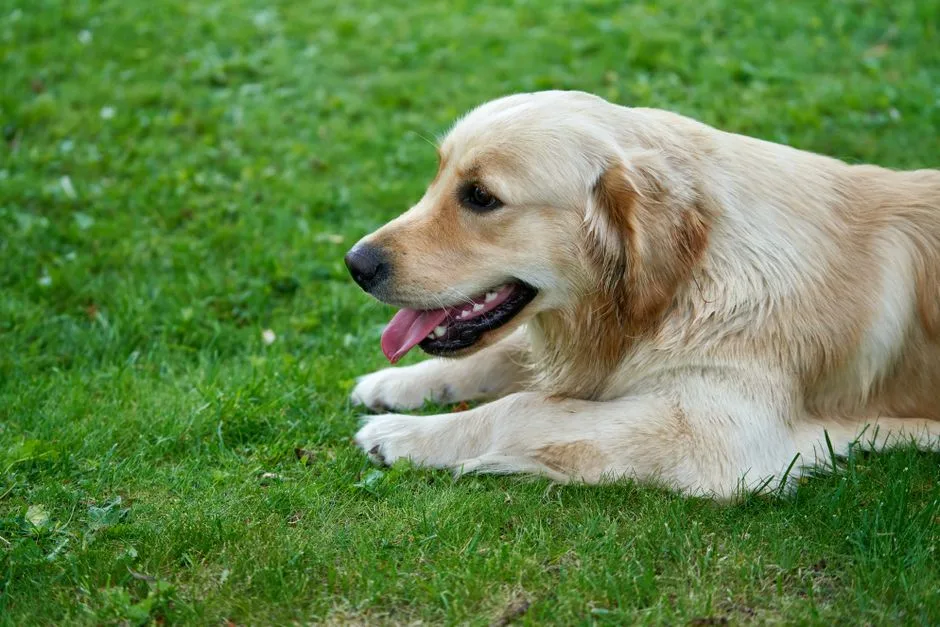
A bath loosens dead undercoat fur that brushing alone can’t always reach. Bathing your Golden every four to six weeks works well for most owners. During a blowout, bumping that up to every three weeks can noticeably shorten how long the heavy shedding lasts.
Use a dog-specific shampoo and work it all the way down to the skin, not just through the outer coat. Rinse thoroughly because leftover shampoo residue irritates skin and can actually increase shedding. After the bath, the blow-dry step is where things get interesting.
A high-velocity pet dryer blasts loose fur out of the coat as it dries. Professional groomers use these because they remove far more loose fur than air-drying. You don’t need a professional model at home, but a purpose-built pet dryer is genuinely more effective than a standard hairdryer. Keep it on a low heat setting to avoid skin irritation.
Diet and Hydration: How Nutrition Affects Coat Health and Shedding
What your Golden eats shows up in its coat. A diet lacking in essential fatty acids, particularly omega-3 and omega-6, often produces a dull, brittle coat that sheds more than necessary. Good-quality commercial dog food with named meat as the first ingredient usually provides adequate nutrition, but some dogs benefit from an extra boost.
Fish oil supplements are the most commonly recommended addition for coat quality. Around 1,000mg of fish oil daily for a 30kg adult Golden is a common starting dose, but check with your vet for the right amount for your dog’s specific weight and health status.
Hydration matters too. A dog that doesn’t drink enough water tends to have drier skin, which makes shedding worse. Make sure fresh water is always available, especially in warmer months.
Home Management: Keeping Your House (Relatively) Fur-Free
Even with perfect grooming, some fur will land on your floors and furniture. These golden retriever shedding tips for the home won’t eliminate fur entirely, but they’ll keep it from taking over.
- Vacuum twice a week minimum during blowout season. A vacuum with a pet hair attachment and a strong motor (Dyson Animal, Miele Cat and Dog, and similar) is worth the investment.
- Use washable sofa covers on your dog’s favourite spots. Shaking them out before washing keeps your machine’s filter clear.
- Lint rollers in every room sounds excessive until you’ve tried it.
- Air purifiers with HEPA filters catch airborne dander and fine fur particles, which is especially useful for anyone in the house with mild pet allergies.
- Designate a grooming spot outdoors where possible. Brushing outside keeps the bulk of the loose fur out of the house entirely.
Hard floors are genuinely easier to keep fur-free than carpet. If you’re renovating, keep that in mind.
When Shedding Seems Excessive: Signs to Watch and When to Call Your Vet
Heavy shedding is normal for this breed, but some patterns are worth a vet check. The difference is usually visible in the skin beneath the coat and in any changes to your dog’s normal shedding pattern.
Book a vet appointment if you notice:
- Bald patches or thinning areas, especially symmetrical patches on the flanks
- Red, flaky, or irritated skin under the coat
- A sudden dramatic increase in shedding outside of the usual blowout season
- Excessive scratching alongside increased shedding, which can point to allergies or skin infection
- Dull, brittle coat that breaks rather than sheds cleanly
Thyroid issues, skin infections, nutritional deficiencies, and stress are all possible causes of abnormal shedding. None of these are things to diagnose at home. Your vet can run a simple blood panel to rule out the common culprits quickly. Early intervention usually means a much faster recovery for your dog’s coat.
Shedding by Life Stage: Puppies, Adults, and Seniors
Golden Retriever puppies have a soft, fluffy single coat for the first four to six months of life. Around six months, the adult double coat begins growing in, and many owners notice a temporary shedding spike during this transition. It passes, but brushing regularly during this period gets your puppy used to grooming for life.
Adult Goldens, roughly one to seven years old, follow the typical pattern of moderate year-round shedding with two seasonal blowouts. This is when your grooming routine matters most and pays off most visibly.
Senior Goldens sometimes shed less as the coat thins naturally with age. Hormonal changes, reduced activity, and certain health conditions can all affect coat density. If your older dog’s coat changes noticeably, it’s worth mentioning at the next routine vet visit. For context on how the Golden Retriever’s coat and care needs compare to similar breeds, see how Golden Retrievers compare to Labradors in shedding and coat care.
Whatever your dog’s age, consistent brushing, good nutrition, and regular baths remain the foundation of managing golden retriever shedding at every stage of life.
FAQ
Do Golden Retrievers ever stop shedding?
No. Golden Retrievers shed throughout their entire lives. Shedding may slow slightly in very old dogs as the coat thins, but it never stops completely. Consistent grooming is the only reliable way to manage it.
What is the best brush for a Golden Retriever’s double coat?
A combination works best. Use a slicker brush for regular maintenance and an undercoat rake for the dense lower layer. During seasonal blowouts, a deshedding tool like a Furminator removes large volumes of loose undercoat quickly, but limit it to once a week to avoid damaging the guard hairs.
Can I shave my Golden Retriever to reduce shedding?
Shaving a Golden Retriever is not recommended. The double coat regulates body temperature in both heat and cold, and shaving it can disrupt this function. It can also cause coat texture problems on regrowth, sometimes called post-clipping alopecia. Regular brushing and bathing manage shedding far more safely than shaving. If you’re considering it for heat relief, speak to your vet first about better alternatives.