
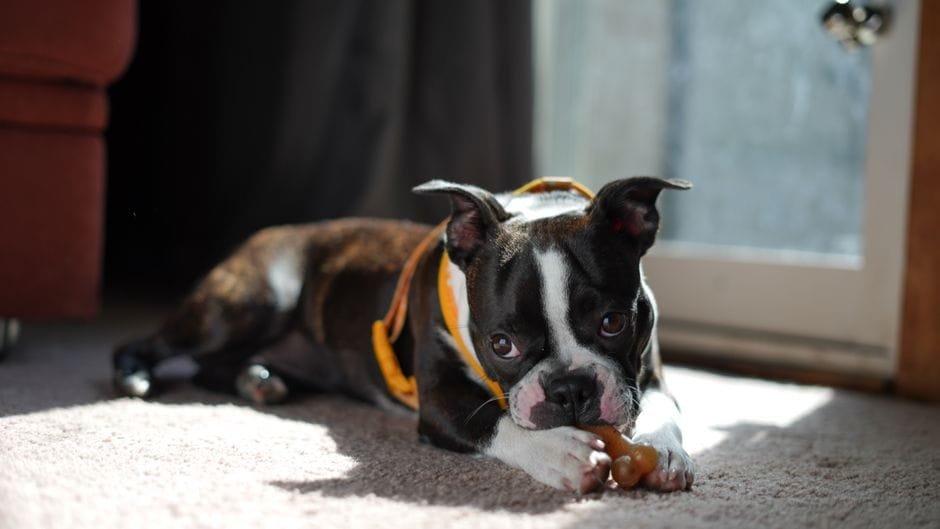
Boston Terrier health problems owners should know about are largely tied to the breed’s distinctive physical structure, and understanding the “why” behind them makes a real difference in how you care for your dog. This isn’t a list of horrors. It’s a practical guide to what you might see, what it means, and when to call your vet.
What Makes Boston Terriers Prone to Certain Health Issues?
Boston Terriers are a brachycephalic breed, meaning they have a shortened skull and a flat facial structure. That adorable squashed face comes with some built-in trade-offs. The bones of the skull are compressed, but the soft tissue inside, including the palate, nostrils, and throat, doesn’t shrink proportionally. The result is a dog that has to work harder to breathe, cool down, and even blink than most other breeds.
It also explains why so many Boston Terrier health concerns cluster around the airways, eyes, and spine. These aren’t random bad luck. They’re structural. Knowing that helps you spot problems earlier and make smarter decisions about your dog’s care.
If you’re still deciding whether this breed fits your lifestyle, reading up on Boston Terrier personality and temperament is a great starting point. Their character is genuinely wonderful. You just want to go in with clear eyes.
Brachycephalic Obstructive Airway Syndrome (BOAS): The #1 Concern
BOAS is the umbrella term for a cluster of airway abnormalities common in flat-faced breeds. In Boston Terriers, it typically involves narrowed nostrils (stenotic nares), an elongated soft palate, and sometimes a narrowed trachea. Any one of these alone causes problems. Together, they can seriously restrict airflow.
What you’ll notice: loud snoring, snorting during normal activity, labored breathing after mild exercise, or a dog that gags and retches, especially after eating. Some Boston Terriers live comfortably with mild BOAS their whole lives. Others need corrective surgery, which is fairly routine and can dramatically improve quality of life.
If your dog sounds like they ran a marathon after a short walk around the block, that’s worth a vet conversation. Surgery to widen the nostrils or shorten the soft palate typically costs between $1,000 and $3,500 depending on what’s needed and your location.
Eye Problems: Corneal Ulcers, Cherry Eye, and Cataracts
Boston Terriers have large, prominent eyes that sit forward in shallow sockets. Those eyes are part of the breed’s charm, but they’re also exposed and vulnerable. Three conditions come up repeatedly.
Corneal ulcers happen when the eye surface gets scratched or irritated, often from dust, a poke from a plant, or even rubbing against a carpet. You’ll notice squinting, excessive tearing, cloudiness, or a dog pawing at their eye. Corneal ulcers need prompt veterinary treatment, because an untreated one can worsen fast.
Cherry eye is when the gland in the third eyelid prolapses and pokes out as a red, fleshy lump in the corner of the eye. It looks alarming but isn’t an emergency. Still, it should be surgically corrected to protect long-term eye health.
Cataracts can appear in Boston Terriers, sometimes as early as middle age. Watch for cloudy or bluish-grey discoloration in the lens. Your vet can confirm it during a routine eye check.
Skin and Allergy Issues: Fold Dermatitis and Environmental Allergies
Those facial skin folds that give Boston Terriers their wrinkled expression trap moisture and warmth, which is exactly what bacteria and yeast love. Fold dermatitis causes redness, odor, and discharge in the skin creases around the nose, eyes, and sometimes the tail area.
The fix is simple but consistent: wipe folds clean with a damp cloth or veterinary-approved wipe several times a week. If you notice a persistent sour smell or red, inflamed skin, your vet can recommend a medicated wipe or antifungal treatment.
Beyond fold care, Boston Terriers are also prone to environmental allergies. Pollen, dust mites, and mold can trigger itching, foot licking, ear infections, and skin rashes. Food allergies are less common but possible. A vet can help identify the trigger and recommend antihistamines, prescription allergy medications, or a dietary change.
Patellar Luxation: What It Means for Your Dog’s Mobility
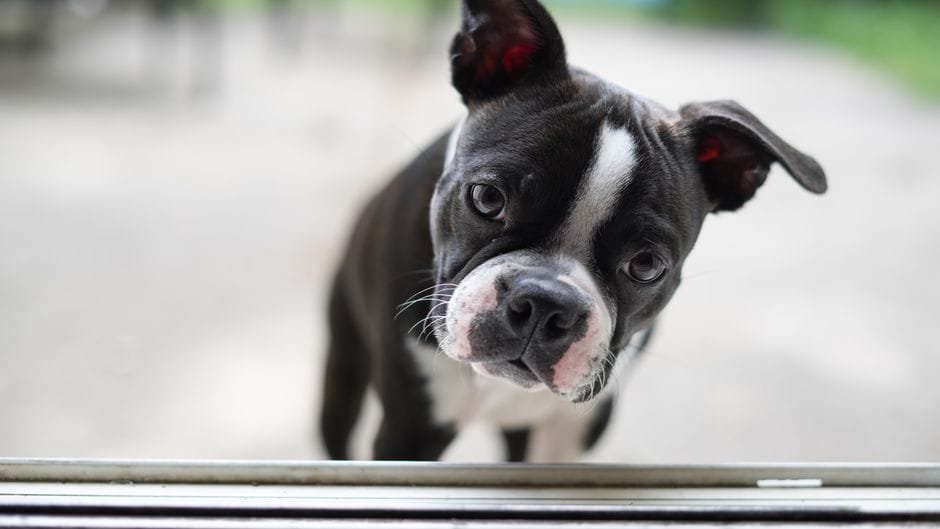
Patellar luxation means the kneecap slips out of its groove. It’s a common issue in small breeds and Boston Terriers are no exception. You might notice your dog suddenly skip a step, hold up a back leg for a few seconds, or give a little hop mid-walk before continuing as if nothing happened. That momentary skip is the kneecap popping back into place.
Mild cases (graded 1 or 2 out of 4) often don’t require surgery and can be managed with weight control and moderate exercise. Severe cases may need surgical correction to prevent long-term joint damage and arthritis. If you see that skipping gait more than occasionally, mention it at your next vet visit.
Deafness: A Genetic Risk in Boston Terriers
Deafness occurs more frequently in Boston Terriers than in many other breeds, particularly in dogs with more white pigmentation, especially around the head. It’s linked to a genetic condition affecting the development of the inner ear’s sound-detecting cells.
Reputable breeders test breeding dogs using a Brainstem Auditory Evoked Response (BAER) test, which is the only reliable way to diagnose deafness in dogs. A deaf Boston Terrier can still live a full and happy life with some adjustments to training methods. Using hand signals, vibrating collars, and consistent visual cues works well.
If your puppy doesn’t startle at sounds, seems unresponsive to their name, or sleeps through loud noises, ask your vet about BAER testing.
Hemivertebrae: Spinal Abnormalities to Watch For
Hemivertebrae are wedge-shaped or malformed vertebrae that can cause the spine to twist or curve abnormally. It’s tied to the same genetics that create the screw tail many owners find endearing. Most Boston Terriers have some degree of hemivertebrae and never experience symptoms. In more severe cases, the abnormal vertebrae can press on the spinal cord.
Warning signs include weakness or wobbliness in the back legs, difficulty jumping up or climbing stairs, incontinence, or an unusual gait. If you notice any of these, a vet referral to a neurologist and spinal imaging (usually MRI) can clarify the situation. Mild cases may only need pain management; severe cases occasionally require surgery.
Heat Sensitivity and Exercise Intolerance
Boston Terriers can’t cool themselves efficiently. Dogs pant to release heat, but a compressed airway limits how effective that panting can be. Add a short coat with minimal insulation, and you have a dog that overheats faster than most breeds and struggles to recover.
On hot or humid days, keep outdoor time short, stay in the shade, carry water, and avoid midday heat entirely. If your Boston starts breathing very rapidly, drools excessively, staggers, or seems disoriented in the heat, that’s heatstroke. Get them into air conditioning immediately and head to an emergency vet. Heatstroke can turn fatal within minutes in flat-faced breeds.
During cooler months, you can be more active. Most Boston Terriers love play and short walks. Just watch their breathing and let them set the pace.
How Boston Terrier Health Affects Lifespan
Managed well, Boston Terriers live long and genuinely joyful lives. For a detailed breakdown, check out how long Boston Terriers typically live and what factors make the biggest difference. The short answer is that proactive care, healthy weight, and regular vet checks have an outsized impact on how many good years you get together.
The boston terrier health problems owners should know about are real, but they’re also largely manageable. This breed rarely suffers quietly. You’ll usually get clear signals when something is off, which gives you the chance to act quickly.
Proactive Care Tips: Vet Visits, Diet, and Early Warning Signs
Twice-yearly vet visits are worth the investment for this breed. Boston Terriers tend to mask discomfort well, and a vet who knows the breed will check eyes, airways, knees, and skin as a matter of routine.
Diet matters more than many owners expect. Extra weight puts added pressure on already-stressed joints and makes breathing harder for a dog that’s already working against a narrow airway. Understanding what and how much to feed your Boston Terrier is one of the simplest things you can do for their long-term health.
Keep an eye out for these early warning signs across all the conditions covered here:
- Louder or more labored breathing than usual
- Squinting, discharge, or cloudiness in the eyes
- Persistent itching, licking paws, or skin redness
- Skipping steps or holding up a back leg
- Unsteadiness in the back legs
- Unresponsiveness to sounds
None of these are reasons to panic. They’re reasons to make an appointment. Catching any of these conditions early almost always leads to a better outcome, and a lower vet bill.
Boston Terriers are worth every bit of attention you give them. Knowing the boston terrier health problems owners should know ahead of time means you’re already doing right by your dog.
FAQ
What is the most common health problem in Boston Terriers?
Brachycephalic Obstructive Airway Syndrome (BOAS) is the most prevalent concern. It’s directly linked to the breed’s flat facial structure and affects breathing to varying degrees in most Boston Terriers. Many dogs live comfortably with mild BOAS, while others benefit from corrective surgery.
How do I know if my Boston Terrier is having breathing problems?
Watch for loud snoring, snorting during calm activity, labored breathing after short walks, gagging, or blue-tinged gums. If your dog seems to struggle to catch their breath during or after normal activity, that warrants a vet visit rather than a wait-and-see approach.
Are Boston Terriers expensive to care for due to health issues?
They can be. BOAS surgery, eye treatments, allergy management, and orthopedic care each carry real costs. Pet insurance purchased early (before conditions are diagnosed) can offset a lot of that. Budget for twice-yearly vet visits as a baseline, and factor in the possibility of one or two more significant procedures over the dog’s lifetime.