
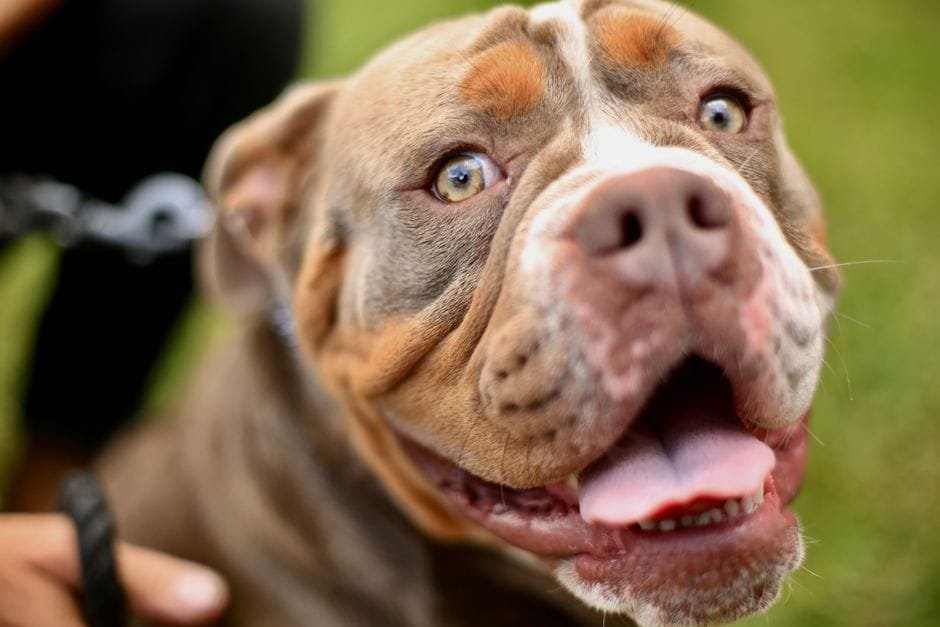
The best dog food for American Bulldog muscle development delivers high-quality animal protein, a balanced fat profile, and digestible ingredients that your dog can actually use to build and maintain that iconic, powerful frame. This guide cuts through the noise and gives you exactly what you need to feed your American Bulldog for real results.
Why Nutrition Is Critical for American Bulldog Muscle Development
The American Bulldog is a working breed built for strength. A healthy adult male can weigh anywhere from 75 to 120 pounds, with dense muscle mass that puts serious demands on their diet. Unlike smaller or leaner breeds, your American Bulldog needs a food that actively supports muscle tissue, not just maintenance calories.
Their energy demands vary a lot. A dog used for farm work or regular athletic training needs significantly more protein and calories than one living a comfortable suburban life. The problem is that most generic dog foods are formulated for an average dog, not a muscular, active breed with this kind of body composition. Getting the nutrition right isn’t just about aesthetics. It supports joint health, recovery after exercise, and long-term vitality.
What to Look for in a Dog Food for Muscle Building
Reading a dog food label is a skill worth developing. Here’s what actually matters for your American Bulldog.
Protein Source and Quality
The first ingredient should always be a named whole meat like chicken, beef, lamb, or salmon. Avoid foods where the first protein source is a by-product meal with no named animal, such as “meat meal” or “poultry meal.” Named meals like “chicken meal” are actually fine and are more protein-dense than whole meat because moisture is removed. The key is specificity. If the label won’t tell you what animal it came from, that’s a red flag.
Amino Acid Profile
Protein is made of amino acids, and some, like leucine, lysine, and methionine, are particularly important for muscle synthesis. Animal proteins contain all the essential amino acids your dog needs. Plant proteins like pea protein or potato protein are incomplete by comparison. A food heavy on plant-based proteins may look good on paper (high protein percentage) but deliver less usable nutrition for muscle building.
Fat Content and Ratio
Healthy fats, especially from sources like chicken fat, salmon oil, and flaxseed, provide the calories your dog needs to fuel activity without relying on carbohydrates. Look for a fat content between 12% and 18% for most adult American Bulldogs. Omega-3 fatty acids in particular may support muscle recovery and reduce inflammation after hard exercise.
Digestibility and Fillers
American Bulldogs are known for sensitive stomachs. Corn syrup, artificial preservatives, and excessive grain fillers add calories without nutrition and can cause digestive upset. A shorter, cleaner ingredient list is usually better. Check that the food meets AAFCO nutritional standards, which means it’s been formulated or feeding-trial tested to meet minimum nutrient requirements.
For a deeper look at the full dietary picture, the American Bulldog diet and nutrition complete guide covers everything from feeding puppies to managing weight in seniors.
How Much Protein Does an American Bulldog Actually Need?
More protein isn’t always better. For an adult American Bulldog in moderate activity, a dry matter protein content of 25% to 30% is a solid target. Highly active or working dogs may benefit from 30% to 35%. Puppies need higher protein too, around 28% to 32%, to support rapid muscle and bone development.
The mistake many owners make is assuming that 40% or 45% protein formulas will automatically produce more muscle. Your dog can only synthesize so much protein at a time. Excess gets metabolized as energy or excreted, and very high protein diets over long periods can stress the kidneys in dogs with pre-existing conditions. Consult your vet if your dog has any known health issues before making significant dietary changes.
Top Dog Foods for American Bulldog Muscle Development
These picks are chosen based on protein quality, ingredient transparency, fat profile, and suitability for a muscular, sometimes sensitive breed.
1. Purina Pro Plan Sport 30/20 Formula

Key specs: 30% protein, 20% fat, chicken as first ingredient, fortified with amino acids and glucosamine.
This formula was developed with sporting and working dogs in mind, which maps well onto an active American Bulldog. The 30/20 ratio hits the sweet spot for maintaining muscle without overloading on fat. Many owners find their dogs have noticeably better coat condition and energy on this food. The glucosamine addition is a bonus for a heavy breed prone to joint stress.
Con: Contains corn and wheat, which can be a problem for dogs with grain sensitivities.
2. Orijen Original Dry Dog Food
Key specs: 38% protein, 18% fat, multiple named animal proteins including chicken, turkey, and fish.
Orijen’s ingredient list reads like a butcher’s order. The high protein content comes almost entirely from animal sources, meaning your American Bulldog gets a full amino acid profile with every meal. It’s particularly good for dogs that seem to struggle to hold muscle mass on standard kibble.
Con: One of the more expensive options on the market, and the very high protein may not suit less active dogs.
3. Taste of the Wild High Prairie
Key specs: 32% protein, 18% fat, roasted bison and venison as primary proteins.
Novel protein sources like bison are a smart choice if your American Bulldog has shown sensitivities to common proteins like chicken or beef. The digestibility tends to be high, and most dogs find it highly palatable. It’s also more affordable than premium raw-inspired brands.
Con: Like many grain-free formulas, it relies on legumes as a carbohydrate base, which carries ongoing discussion around potential cardiac concerns. Ask your vet before committing long-term.
4. Blue Buffalo Wilderness Rocky Mountain Recipe
Key specs: 30% protein, 15% fat, red meat focus with beef and venison.
If your American Bulldog is a bit older or less active, this formula offers solid protein without the very high fat content of some performance foods. The red meat base suits dogs that thrive on richer proteins, and the inclusion of Blue Buffalo’s LifeSource Bits adds vitamins and antioxidants.
Con: Some dogs experience loose stools when first transitioning, so a slow switch over 7 to 10 days is recommended.
5. Merrick Backcountry Raw Infused Large Breed Recipe
Key specs: 38% protein, 15% fat, freeze-dried raw pieces mixed into kibble.
The raw-infused approach gives your American Bulldog some of the benefits of raw feeding without the full commitment or food safety management that raw diets require. The large breed formula accounts for the heavier skeletal load these dogs carry, with a balanced calcium-to-phosphorus ratio.
Con: The freeze-dried raw pieces can crumble and make the bowl messy, and the cost is noticeably higher than standard kibble.
6. Wellness CORE Large Breed
Key specs: 34% protein, 12% fat, deboned chicken and turkey.
This is a strong choice if your American Bulldog is at a healthy weight and you want to support muscle without adding excess calories. The slightly lower fat percentage helps manage weight in less active dogs, while the protein level still supports tissue maintenance.
Con: The lower fat content means it may not provide enough calories for a heavily working or underweight dog.
If your dog actually needs to gain weight alongside building muscle, the guide on how to help a dog gain healthy weight has practical strategies worth reading alongside your food choice.
Foods to Avoid for American Bulldogs
Some ingredients actively work against your goals. Avoid foods where corn syrup, artificial colors, or unspecified animal by-products appear early in the ingredient list. These add empty calories and can upset a sensitive stomach.
Low-quality protein sources like feather meal or hydrolyzed leather are technically “protein” on a label but provide minimal usable amino acids. Your American Bulldog’s body can’t build muscle from those sources effectively.
On grain-free foods specifically: they aren’t automatically better. The FDA has been investigating a potential link between grain-free diets high in legumes and dilated cardiomyopathy in dogs. The science is still developing, but it’s worth a conversation with your vet before committing to a grain-free formula long-term.
Feeding Schedule and Portion Tips for a Muscular American Bulldog
Adult American Bulldogs do well on two meals per day, roughly 12 hours apart. This is better than one large meal, which can increase the risk of bloat, a dangerous condition that large, deep-chested dogs are susceptible to. Never feed your dog immediately before or after vigorous exercise.
Portion sizes vary based on the specific food’s caloric density and your dog’s activity level. A 90-pound moderately active American Bulldog might need around 3.5 to 4.5 cups of a standard kibble daily, split across two meals. But always use the manufacturer’s guidelines as a starting point and adjust based on body condition. You should be able to feel your dog’s ribs without pressing hard, but not see them.
For dogs doing regular strength-oriented exercise or training, increasing portions by 10% to 15% during heavy training periods makes sense, then scaling back during rest periods.
Supplements That May Support Muscle Health
Some owners find that a few targeted supplements help maintain their dog’s physique and recovery. These are not replacements for good food, but additions to it.
- Fish oil: A source of omega-3 fatty acids that may support muscle recovery and coat condition. Many owners add 1,000 to 2,000mg daily for a large breed dog, but check with your vet for your dog’s specific size.
- Glucosamine and chondroitin: May support joint health in a heavy, muscular dog. Many performance foods already include these, but a separate supplement can top them up.
- Digestive enzymes or probiotics: For American Bulldogs with sensitive digestion, these may help them absorb more nutrition from every meal.
Always consult your vet before adding supplements, especially if your dog is on any medication. This is general guidance, not medical advice.
It’s also worth knowing how the American Bulldog compares structurally to related breeds. The breakdown in this American Bulldog vs American Bully comparison is useful context, since the two breeds have different body compositions and therefore different nutritional priorities.
FAQ
How much protein should an American Bulldog eat per day to build muscle?
A moderately active adult American Bulldog benefits from a food with 25% to 30% crude protein on a dry matter basis. Highly active dogs can go up to 35%. Total daily protein intake depends on the food’s caloric density and your dog’s weight, so use the manufacturer’s feeding chart as your baseline and adjust based on body condition.
Is raw food better than kibble for American Bulldog muscle development?
Raw food can offer highly bioavailable protein, but it’s not automatically superior. Properly formulated kibble from a quality brand can support excellent muscle development. Raw diets carry food safety and nutritional balance risks if not managed carefully. Many owners use a raw-infused kibble as a practical middle ground.
Can I feed my American Bulldog the same food as an American Bully?
Sometimes, but not always. The American Bully tends to be a stockier, heavier breed with different caloric needs. A food optimized for the American Bully’s frame may have a different fat-to-protein ratio than what suits your American Bulldog. Check the breed suitability and life stage on the label, and choose based on your specific dog’s size and activity level.
At what age should I switch my American Bulldog from puppy to adult muscle-building food?
Most American Bulldogs finish their primary growth phase between 18 and 24 months. Switching at around 18 months is common, but large, heavier individuals may benefit from staying on a large breed puppy food until closer to 24 months. Ask your vet if you’re unsure, since switching too early can affect bone development.
Are grain-free dog foods good or bad for American Bulldogs?
Grain-free foods aren’t inherently better for muscle development. Some American Bulldogs with grain sensitivities do well on them, but the ongoing investigation into legume-heavy grain-free diets and heart disease in dogs means it’s worth discussing with your vet before making it a permanent choice. Whole grains like brown rice and oats are digestible and not harmful for most dogs.