
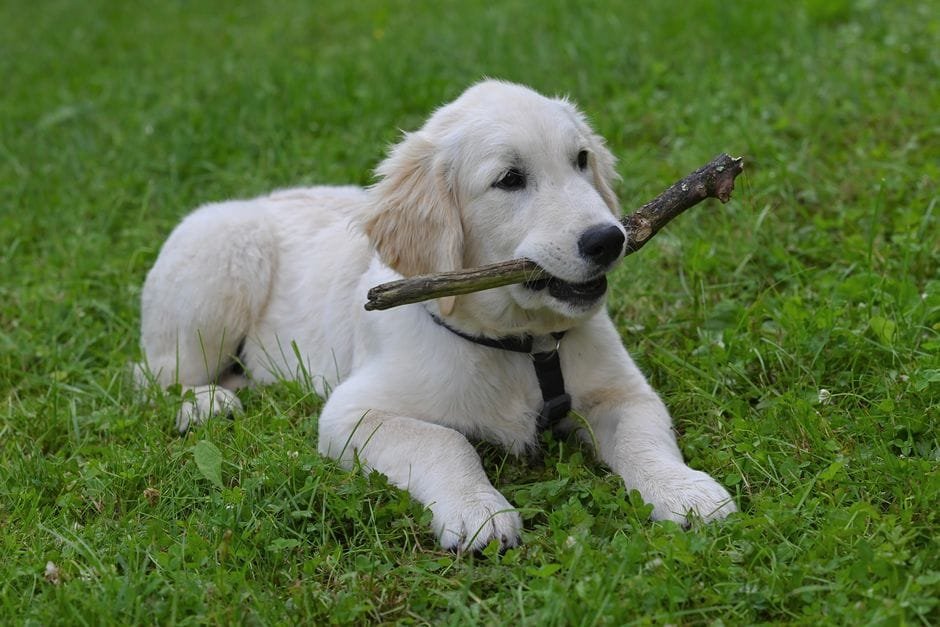
The best golden retriever puppy training tips for beginners all start with the same truth: you have one of the most trainable dogs on the planet. Goldens are wired to please you. That’s a genuine advantage, and this guide will show you exactly how to use it.
Why Golden Retrievers Are Easy (and Sometimes Tricky) to Train
Golden Retrievers rank among the most responsive breeds in existence. They pick up new skills quickly, they love attention, and they genuinely enjoy working with you. That eagerness is your biggest asset as a beginner.
The tricky part? That same enthusiasm can work against you. Goldens are excitable, mouthy as puppies, and prone to selective hearing when something more interesting appears. Their love of food also means treat-based training can tip into over-treating fast. Knowing both sides of the coin helps you stay prepared.
If you’re still deciding, it’s worth knowing that Golden Retrievers are one of the best breeds for first-time owners precisely because of this balanced profile.
When to Start Training Your Golden Retriever Puppy
Start the moment your puppy comes home, usually around 8 weeks old. Puppies are absorbing information constantly at this age. Every interaction you have is already teaching them something, so you may as well make those lessons intentional.
Short, positive sessions from day one build habits before bad ones have a chance to form. Waiting until your puppy is 4 or 5 months old is one of the most common beginner mistakes, and by then you’re already correcting established behaviours instead of shaping new ones.
The 5 Essential Commands Every Golden Retriever Puppy Should Learn First
Keep it simple at first. These five commands give your puppy a strong foundation and cover most real-life situations you’ll face:
- Sit The easiest starting point. Hold a treat above your puppy’s nose and slowly move it back. Their bottom will hit the floor naturally. Say “sit” as it happens, then reward immediately.
- Stay Once sit is solid, ask for a sit, take one step back, return, and reward. Build distance gradually, just a second at a time.
- Come Crouch down, say “come” in a happy voice, and reward enthusiastically when your puppy reaches you. This one can save their life, so always make it worth their while.
- Down From a sit, lure the treat toward the floor. When elbows hit the ground, say “down” and reward.
- Leave it Hold a treat in your closed fist. When your puppy stops pawing and nosing at it, say “leave it” and reward with a different treat from your other hand.
Nail these five and you’ll have a puppy you can actually take anywhere.
Positive Reinforcement: The Only Method You Need
Positive reinforcement simply means rewarding your puppy right away when they do something right, so they want to do it again. No complicated theory required. When your puppy sits on cue, they get a small, tasty treat within about one or two seconds. That timing is everything.
Golden Retrievers respond beautifully to this approach. Harsh corrections or punishment-based methods aren’t just unnecessary with this breed, they’re counterproductive. A Golden that feels confused or pressured shuts down fast. Keeping training positive keeps their confidence and engagement high.
Use tiny treats, roughly the size of a pea. Chicken, cheese, or high-value training treats work well. Vary what you use so your puppy stays interested. And don’t forget that praise and play count as rewards too, especially as your puppy matures.
How to Socialize Your Golden Retriever Puppy the Right Way
Socialization is probably the most important thing you’ll do in the first few months. The window between 3 and 14 weeks is when puppies form their foundational impressions of the world. Experiences in this period shape how confident and calm your dog is for life.
Good socialization isn’t about flooding your puppy with stimulation. It’s about positive, calm exposure to as many sights, sounds, people, dogs, and surfaces as possible. Let your puppy approach new things at their own pace. If they seem worried, give them space and let them investigate without pushing.
Think about variety: different floor textures, hats on strangers, children playing, traffic noise, other vaccinated dogs. Each positive exposure builds a bank of confidence your puppy will draw on forever. Skipping this window because training feels like the priority is a mistake many beginners regret later.
For more context on keeping your puppy healthy while you’re doing all this, check out these common Golden Retriever health issues to keep in mind as your puppy grows.
Crate Training and Potty Training Basics
A crate done right is a gift to your puppy, not a punishment. Dogs are naturally den animals, and a properly introduced crate gives your Golden a safe, calm space of their own. Start by making it comfortable and feeding meals near or inside it. Never use the crate as a time-out.
For potty training, the rule is simple: take your puppy outside frequently and reward them the moment they go in the right spot. Take them out first thing in the morning, after every meal, after naps, and before bed. Puppies have small bladders, every hour or two is realistic at 8 to 10 weeks.
When accidents happen indoors, and they will, clean them up without drama. Scolding a puppy after the fact teaches them nothing except to be nervous around you. Supervision and a consistent schedule do far more than any correction.
How to Handle Biting, Jumping, and Other Common Puppy Behaviors
Golden Retriever puppies are mouthy. It’s completely normal, but it still needs to be addressed early. When your puppy bites too hard during play, make a short “ouch” sound and immediately stop the interaction for a few seconds. Puppies learn bite inhibition through this kind of social feedback.
For a deeper look at techniques, our guide on how to stop a puppy from biting covers the most effective approaches in detail.
Jumping is another classic Golden habit. The fix is boring but effective: turn your back, cross your arms, and give zero attention until all four paws are on the floor. The moment they’re down, reward calmly. Consistency matters here more than anything. If you reward a jumping puppy just once with attention, you’ve reset your progress.
Training Session Length and Frequency for Puppies
Keep sessions short. For a puppy under 12 weeks, three to five minutes is plenty. From 12 to 16 weeks, you can stretch to about ten minutes. Puppies lose focus fast, and ending a session while they’re still engaged is always better than pushing past their limit.
Two to three short sessions per day beat one long session every time. Train before meals when your puppy is motivated, not right after when they’re full and sleepy. You’ll also want to understand how much exercise your Golden Retriever puppy needs at each age, since over-exercising a young puppy can cause physical problems even as their training progresses.
The goal of each session isn’t to teach everything at once. Pick one or two behaviours, end on a success, and celebrate. Your puppy’s enthusiasm for the next session depends on how the last one felt.
Mistakes Beginner Owners Make (And How to Avoid Them)
Inconsistency is the biggest one. If “off the sofa” means sometimes yes and sometimes no depending on your mood, your puppy has no idea what the rule actually is. Every person in your household needs to apply the same rules, same cues, same responses. A family meeting before your puppy comes home is genuinely worth doing.
Over-treating is real. Using a full-sized biscuit as a training reward means your puppy hits their calorie limit in ten minutes and loses motivation. Use tiny pieces, factor treats into their daily food allowance, and gradually shift toward praise and play as rewards as training progresses.
Skipping socialization because it feels separate from training is another trap. Socialization is training. The confidence it builds makes every other skill easier to teach.
And finally, expecting too much too soon. Golden retriever puppy training tips for beginners always mention patience, and there’s a reason for that. Puppies are babies. Some days they’ll perform perfectly; other days they’ll look at you like they’ve never heard the word “sit” before. That’s normal. Keep showing up, keep it positive, and trust the process.
FAQ
At what age should I start training my Golden Retriever puppy?
Start as soon as your puppy arrives home, typically around 8 weeks old. Puppies this age can learn simple commands and begin developing good habits. The earlier you start, the easier it is to shape the behaviour you actually want.
How long should training sessions be for a young Golden Retriever puppy?
For puppies under 12 weeks, aim for three to five minutes per session, two or three times a day. Between 12 and 16 weeks, you can extend to around ten minutes. Short, frequent sessions work far better than one long one, since young puppies tire mentally very quickly.
Is it okay to use treats for every command, or will my puppy get too dependent on them?
Using treats consistently at the start is fine and effective. Over time, you can shift to rewarding with treats intermittently while still using praise, play, and affection. This actually strengthens the behaviour because your puppy keeps trying, not knowing exactly when the treat is coming. Just keep treat sizes small and account for them in your puppy’s daily calorie intake.