The best food for English bulldogs with skin allergies is one built around a short, transparent ingredient list, a novel or hydrolyzed protein source, and none of the common trigger ingredients that this breed handles particularly poorly. That sounds simple enough, but getting there requires understanding why your bulldog is more vulnerable than most other dogs, and what you’re actually looking at when you flip a bag of kibble over and read the back.
Why English Bulldogs Are Prone to Skin Allergies (Breed Context)
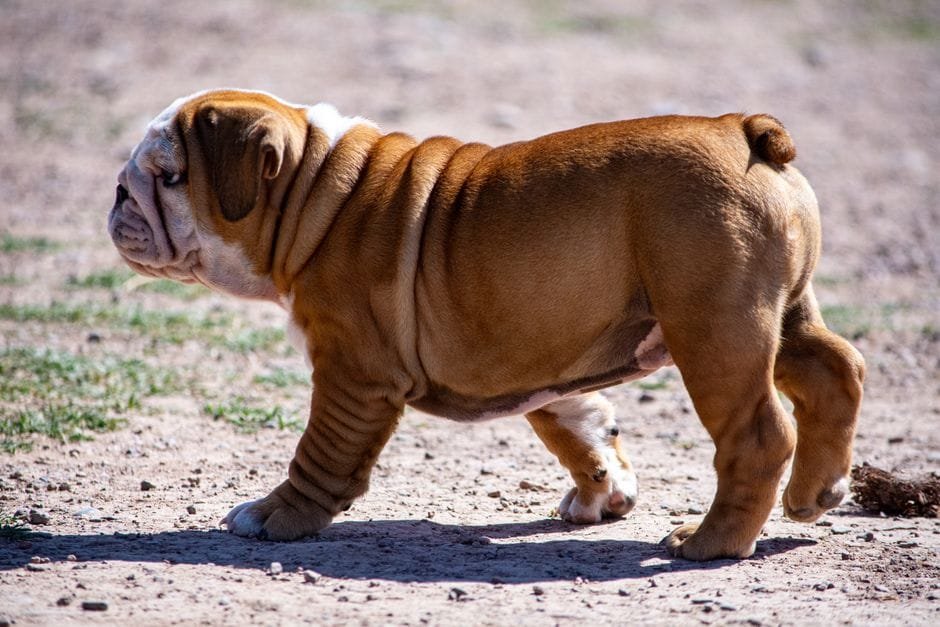
English Bulldogs have a skin structure that practically invites trouble. Those deep facial wrinkles and body folds trap moisture, heat, and bacteria, creating a warm environment where inflammation flares quickly. Their skin barrier function is also weaker than average, meaning allergens, both ingested and environmental, penetrate more easily and trigger immune responses faster.
Add to that their brachycephalic physiology. The compressed facial anatomy that gives Bulldogs their characteristic look also creates narrowed airways, which can elevate stress hormones and systemic inflammation over time. Chronic low-grade inflammation makes the immune system hypersensitive, and that hypersensitivity often shows up first on the skin. It’s one of the serious health conditions English Bulldogs are prone to, and diet plays a measurable role in managing it.
Genetics matter too. Bulldogs were selectively bred for appearance, not robust immune function, and many lines carry a predisposition to atopic dermatitis. That doesn’t mean suffering is inevitable, but it does mean the margin for dietary error is smaller than it would be for, say, a Labrador.
Food Allergies vs. Environmental Allergies: Key Differences to Know
Before you overhaul your dog’s diet, it helps to know what you’re actually dealing with. Food allergies and environmental allergies can look almost identical on the surface: itchy skin, red paws, hot spots, recurring ear infections. The difference lies in timing and pattern.
Environmental allergies (atopy) are often seasonal. If your bulldog is fine in winter but scratches constantly in spring and summer, pollen and dust mites are strong suspects. Food allergies tend to be year-round and consistent, regardless of season or how much time your dog spends outside.
A proper elimination diet trial, usually 8 to 12 weeks on a single novel protein and carbohydrate source with no other food, treats, or flavored supplements, is the only reliable way to confirm a food allergy at home. Your vet may also recommend allergy testing or a prescription hydrolyzed protein diet. Always consult your vet before starting an elimination trial, especially if your dog is already on medication for skin issues.
Ingredients to Avoid in English Bulldog Food
Certain ingredients appear repeatedly in allergy cases across the breed. These are the ones worth checking the label for first.
- Beef: One of the most commonly reported food allergens in dogs overall, and Bulldogs are no exception.
- Chicken: Widely used as a primary protein in budget kibbles, and very frequently implicated in skin reactions due to its prevalence in canine diets over time.
- Dairy: Many dogs lack sufficient lactase enzyme to process dairy properly, leading to gut irritation that can manifest as skin symptoms.
- Wheat and corn: Not inherently bad for every dog, but common sensitivities, especially in dogs with compromised gut barriers.
- Soy: A known allergen in both dogs and humans; often used as a cheap protein filler.
- Artificial dyes and preservatives: Ingredients like Red 40, BHA, and BHT have no nutritional benefit and can contribute to inflammatory responses.
The key is your specific dog’s history. If they’ve eaten chicken-based food for years and symptoms developed gradually, chicken is a reasonable suspect. Keep a simple food diary for two to four weeks before you switch anything.
What to Look For: Key Ingredients That Support Skin Health
Good allergy-focused dog food does more than just remove problem ingredients. The best picks actively support the skin barrier and calm systemic inflammation.
- Novel proteins: Duck, venison, rabbit, kangaroo, or salmon. These are proteins your dog likely hasn’t been exposed to before, reducing the chance of a sensitized immune response.
- Omega-3 fatty acids: Particularly EPA and DHA from fish oil. Clinical evidence supports their role in reducing skin inflammation and improving coat quality. Look for named fish oils, not generic “fish oil blend.”
- Sweet potato or peas as carbohydrate sources: Generally well tolerated and less likely to cause reactions than wheat or corn.
- Zinc and vitamin E: Both support the skin barrier directly. Zinc deficiency is particularly associated with skin lesions in dogs.
- Probiotics and prebiotics: A healthier gut microbiome is directly linked to reduced allergic responses. Look for strains like Lactobacillus acidophilus on the label.
Hydrolyzed protein formulas are worth a separate mention. These use proteins broken down to such small particles that the immune system doesn’t recognize them as threats. They’re typically prescription-only and veterinary-supervised, but for dogs with confirmed food allergies, they can be transformative.
Best Foods for English Bulldogs With Skin Allergies (Curated Picks)
Rather than ranking by brand popularity, these picks are chosen based on the ingredient criteria above. Always check current formulations before buying, as recipes do change.
Limited ingredient duck and sweet potato formulas are a reliable starting point. Brands like Natural Balance L.I.D. and Merrick Limited Ingredient Diet build around a single animal protein and a single carbohydrate source. Fewer ingredients means fewer variables to isolate if a reaction occurs.
Salmon-based formulas offer a double benefit: a novel protein and a built-in source of omega-3 fatty acids. Taste of the Wild Pacific Stream is a widely available, reasonably priced option that many Bulldog owners report positive results with for skin symptoms. The absence of chicken, beef, or grains makes it easy to trial.
Hydrolyzed protein diets such as Hill’s Prescription Diet z/d or Royal Canin Hydrolyzed Protein Adult HP are the gold standard for confirmed food allergies, but require a vet prescription. If your bulldog’s symptoms are severe or long-standing, ask your vet about these before trying OTC options.
Raw or fresh food diets have passionate advocates, and some Bulldogs do well on them. The challenge is ensuring complete and balanced nutrition, which requires careful planning or a commercially prepared fresh option like The Farmer’s Dog. Consult your vet before switching to raw, particularly given Bulldogs’ susceptibility to digestive upset.
Whichever direction you go, finding the best food for English bulldogs with skin allergies takes some patience. There’s no universal answer because individual triggers vary, but the ingredient framework above gives you a rational way to evaluate any product.
How to Transition Your Bulldog to a New Diet Safely
Bulldogs have notoriously sensitive stomachs, and a sudden food switch almost guarantees loose stools and vomiting, which can make it hard to tell whether a reaction is dietary or just gastrointestinal adjustment.
Use a 10-day transition schedule:
- Days 1 to 3: 75% old food, 25% new food
- Days 4 to 6: 50/50 mix
- Days 7 to 9: 25% old food, 75% new food
- Day 10 onward: 100% new food
During any elimination trial, this approach changes slightly. Your vet may advise a more abrupt switch to ensure no cross-contamination from the previous food. Follow their guidance in that case.
Keep treats consistent too. A single chicken-flavored treat can invalidate weeks of elimination trial data. Switch to single-ingredient treats made from the same protein as the new food, such as freeze-dried duck or salmon.
Other Tips to Manage Skin Allergies Alongside Diet
Diet is a powerful lever, but it’s rarely the only one. Bulldogs’ skin issues almost always benefit from a multi-angle approach.
Clean the skin folds regularly with a pH-balanced, fragrance-free wipe or solution. Moisture and bacteria sitting in those folds between cleanings can cause or worsen contact dermatitis that looks identical to a food allergy reaction. English Bulldog accessories that can help with skin care routines include purpose-built fold-cleaning kits, wrinkle balms, and hypoallergenic shampoos worth considering as part of your regular routine.
Omega-3 supplements added directly to food, especially if your chosen kibble is low in fish-derived fats, can provide a meaningful boost. Look for fish oil capsules or liquid with confirmed EPA and DHA content, not just “omega-3s,” which can include less bioavailable plant-derived ALA.
Wash bedding frequently in unscented detergent, and consider whether plug-in air fresheners or scented candles in the home might be contributing to environmental reactions. It’s easy to overlook household triggers when you’re focused on the food bowl.
Finally, work with your vet to rule out secondary infections. A hot spot or red fold that started as an allergic reaction can quickly become a bacterial or yeast infection, which needs treatment in its own right. Treating the infection doesn’t fix the underlying allergy, but failing to treat it makes everything worse. The relationship between diet, gut health, and canine atopic dermatitis is an active area of veterinary research, and emerging evidence continues to support the role of nutrition in managing symptoms.
FAQ
What are the most common food allergens for English Bulldogs?
Beef, chicken, dairy, wheat, corn, and soy are the most frequently reported food allergens in dogs, and Bulldogs are particularly susceptible due to their compromised skin barrier and genetic predisposition to immune sensitivity. Chicken is especially common because it features in so many mainstream dog foods, increasing the likelihood of sensitization over time.
How long does it take to see improvement after switching dog food?
Most owners notice some improvement in skin symptoms within 4 to 6 weeks of switching to a cleaner, allergen-appropriate diet. A full elimination diet trial requires 8 to 12 weeks to be conclusive. Be patient: the immune system takes time to settle, and old allergens need to clear the system fully before you see the best results.
Is grain-free food better for English Bulldogs with skin allergies?
Not automatically. Grains are only a problem if your specific dog is sensitive to them. Some Bulldogs do very well on grain-free formulas, while others react to the legumes (peas, lentils) used as grain replacements. There is also ongoing FDA investigation into a potential link between certain grain-free diets and dilated cardiomyopathy in dogs. Discuss grain-free options with your vet before committing long-term.
Can I tell if my English Bulldog has a food allergy at home?
You can gather strong evidence at home through an elimination diet trial, which involves feeding a single novel protein and carbohydrate for 8 to 12 weeks with no other food or flavored products. If symptoms improve significantly and return when the original food is reintroduced, a food allergy is very likely. However, only a veterinarian can provide a confirmed diagnosis, and their guidance is especially important if symptoms are severe or involve secondary infections.