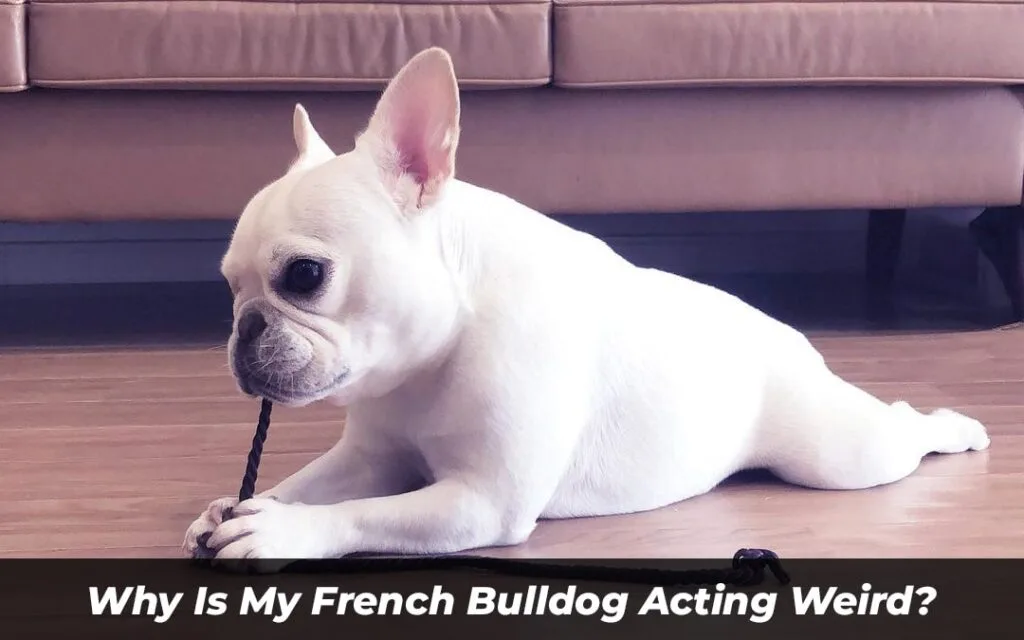
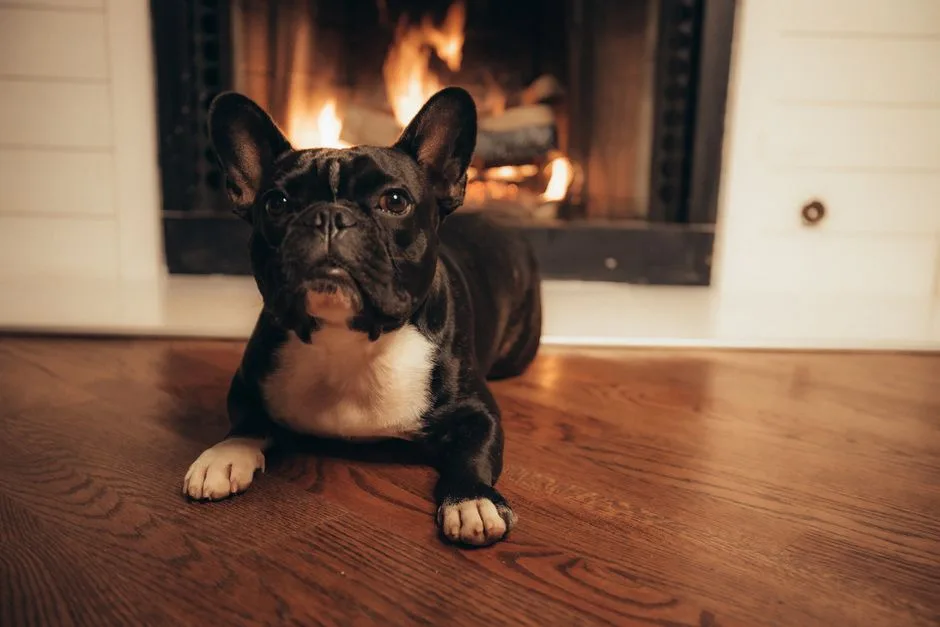
French bulldog breathing problems are something almost every Frenchie owner encounters, and knowing what to do can genuinely make the difference between a calm response and a missed emergency. This breed breathes differently by design, and once you understand why, you can read your dog’s breathing with a lot more confidence.
Why French Bulldogs Breathe Differently: The Brachycephalic Factor
French Bulldogs are a brachycephalic breed, which simply means their skull is compressed front-to-back, giving them that flat face we all love. The soft tissue inside, though, didn’t shrink to match. The result is a condition called Brachycephalic Obstructive Airway Syndrome (BOAS): a combination of narrow nostrils, an elongated soft palate, and sometimes a narrow trachea that makes every breath a little harder than it should be.
Think of it like breathing through a straw that’s slightly pinched. Most of the time, your Frenchie manages fine. But add heat, excitement, or stress, and that already-restricted airway gets pushed closer to its limit.
Some dogs are more affected than others. Genetics plays a big role, but so does body weight and the specific anatomy of each individual dog. It’s worth knowing that Teacup French Bulldogs and their exaggerated features tend to have even more compressed anatomy, which can make breathing difficulties more pronounced.
Normal vs. Concerning: How to Tell the Difference
Snoring, snuffling, and the occasional reverse sneeze are all part of life with a Frenchie. Normal breathing in a resting Frenchie can be audible, especially during sleep. If your dog is calm, their gums are pink, and they recover quickly after exertion, you’re probably in normal territory.
Concerning breathing looks and sounds different. Watch for:
- Laboured breathing at rest (not just after a walk)
- Extended neck, elbows flared outward, as if bracing to breathe
- Blue, grey, or white gums or tongue
- Loud, high-pitched wheezing or a honking sound that’s new or getting worse
- Open-mouth breathing at rest (Frenchies normally breathe through their nose)
- Visible distress, restlessness, or inability to settle
The key word is “change.” You know your dog’s baseline. If the breathing sounds different, looks harder, or is accompanied by any of the signs above, take it seriously.
Common French Bulldog Breathing Problems Explained
French bulldog breathing problems can stem from several overlapping causes. BOAS is the most common underlying factor, but other issues can layer on top of it.
Stenotic nares are nostrils that are too narrow to allow good airflow. You can often spot this yourself: look at your dog’s nose from the front. If the nostril openings are very small slits rather than open ovals, this may be contributing to breathing difficulty. A vet can widen them surgically, often when the dog is already being neutered or spayed.
Elongated soft palate is extremely common in Frenchies. The soft tissue at the back of the roof of the mouth extends too far and partially blocks the airway, especially when the dog is excited or panting. This often causes that distinctive gurgling or snoring sound.
Tracheal hypoplasia means the windpipe is narrower than it should be. This one can’t be corrected surgically in the same way, and it means the dog has a permanently reduced ability to move air quickly.
Respiratory infections can worsen existing BOAS symptoms significantly. A Frenchie with a mild cold can look like a Frenchie in respiratory distress because their baseline is already compromised. Any infection needs prompt veterinary attention in this breed.
What to Do When Your Frenchie Is Struggling to Breathe
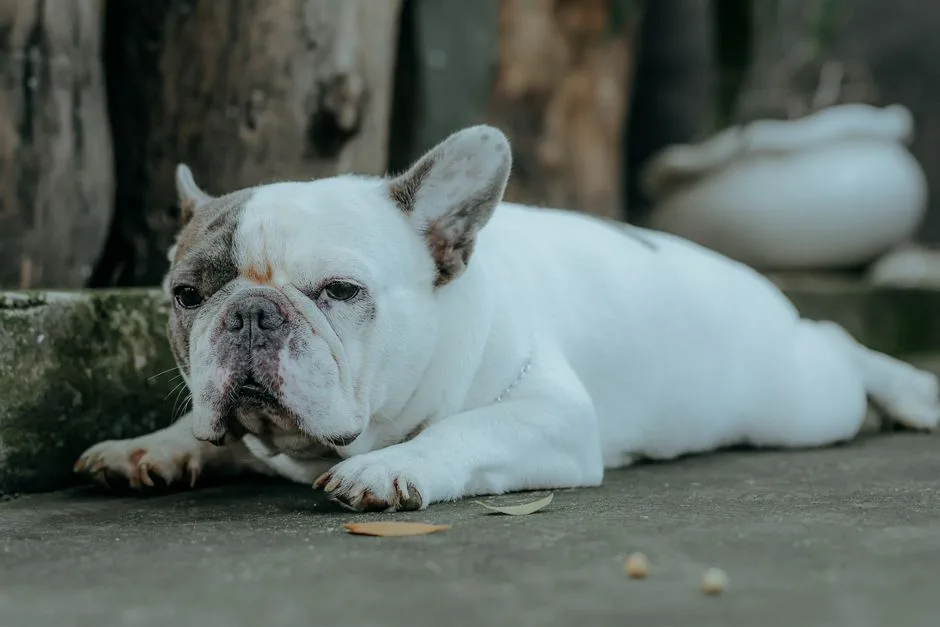
If your dog seems to be having a harder time breathing than usual, start by removing the trigger. Move them to a cool, quiet room. Heat is one of the biggest factors in acute breathing episodes for French Bulldogs. Air conditioning or a fan directed at them can help within minutes.
Keep them calm. Your energy matters here. Sit with them, speak quietly, and avoid fussing too much, as excitement makes it worse. Let them find a comfortable position; some dogs do better lying on their side, others prefer sitting upright.
Do not force water or food during an episode. Check their gum colour. Pink and moist is good. Any hint of blue, grey, or white, and you need to leave for a vet or emergency animal hospital immediately. Don’t wait to see if it improves.
For milder episodes where the dog recovers within a few minutes and gum colour stays normal, note down what happened: the temperature, what they were doing, how long it lasted. This information is genuinely useful when you speak to your vet.
Warning Signs That Mean Go to the Vet Now
Some signs are non-negotiable. If you see any of these, treat it as an emergency.
- Blue, grey, or pale white gums or tongue (this is cyanosis and means oxygen levels are critically low)
- Collapse or inability to stand
- Loss of consciousness or extreme lethargy combined with laboured breathing
- Breathing that does not improve within a few minutes of cooling and calming
- Choking or gasping with no obvious trigger
- A sudden, dramatic worsening compared to their usual baseline
French bulldog breathing problems can escalate quickly in hot weather or after strenuous activity. If your dog has collapsed in the heat, cool them with cool (not ice-cold) water on their paws and inner thighs while someone drives you to the vet. Call ahead so the clinic is ready.
Understanding brachycephalic obstructive airway syndrome more deeply can help you have better conversations with your vet about your specific dog’s situation.
Everyday Management: Reducing Breathing Stress at Home
You can’t change your Frenchie’s anatomy, but you can manage their environment to reduce the load on their airway. A few consistent habits make a real difference.
Control the temperature. Frenchies should not be in rooms above around 24°C (75°F) for extended periods, and certainly not exercising in those conditions. Walk them early morning or late evening in warm months.
Keep their weight in check. This is one of the most impactful things you can do. Extra fat around the neck and throat further narrows an already compromised airway. Even a modest weight reduction can produce noticeable breathing improvement in an overweight Frenchie.
Use a harness, not a collar. Any pressure on the throat tightens airflow. A well-fitted harness distributes pressure across the chest instead.
Limit exercise intensity. Short, frequent walks beat one long exhausting one. Let your dog set the pace and always have water available.
If you crate your Frenchie, make sure they have adequate airflow and aren’t overheating inside it. Getting the right crate size for your French Bulldog matters more than most people think, especially for a breed where poor ventilation can become a breathing issue fast.
When Surgery Might Be the Answer: BOAS Correction Overview
For French Bulldogs with significant BOAS, surgery is often the most effective long-term solution. It’s not something to fear. The procedures are routine for experienced veterinary surgeons who work with brachycephalic breeds, and outcomes are generally very good when done at the right time.
The most common interventions include widening the nostrils (nares resection) and shortening the elongated soft palate. Your vet may also assess for everted laryngeal saccules, small pouches in the larynx that can get pulled into the airway over time due to the effort of breathing. Addressing multiple components at once tends to give the best results.
Earlier is better. Dogs who have surgery before significant secondary changes occur, ideally before two years of age, recover better and get more long-term benefit. If your vet has mentioned BOAS correction as a possibility, don’t put it off indefinitely. For more detail on how airway anatomy affects breathing mechanics, the NIH has accessible background information.
Post-surgery, most Frenchies are noticeably different within weeks. Owners often say they didn’t realise how much their dog had been struggling until they see them breathing easily for the first time.
FAQ
Is it normal for French Bulldogs to breathe loudly while sleeping?
Yes, snoring and audible breathing during sleep is very common in French Bulldogs due to their brachycephalic anatomy. As long as their gums stay pink, they settle easily, and you don’t notice open-mouth breathing or distress, gentle snoring is generally normal. If the sounds change suddenly or become much louder, mention it to your vet at the next visit.
What should I do if my French Bulldog is gasping or choking?
First, check their mouth quickly for a visible obstruction. If the airway is clear but they’re still gasping, move them to a cool area immediately and keep them calm. If gum colour turns blue or pale, or breathing doesn’t improve within two to three minutes, go straight to an emergency vet. Don’t wait. Gasping in a Frenchie is not something to monitor at home for long.
Can French Bulldog breathing problems get worse with age?
They can, especially if the underlying anatomy is never addressed. Repeated effort breathing can cause secondary changes like everted laryngeal saccules, which create additional obstruction over time. Weight gain as a dog ages also compounds the problem. Regular vet check-ups and keeping your Frenchie lean are the best ways to slow progression. If surgery was recommended when your dog was young and wasn’t done, it’s worth revisiting the conversation with your vet.