American Bulldog vs English Bulldog: Quick Overview
The American bulldog vs English bulldog differences are bigger than most people expect. One is an athletic, high-energy working dog that can weigh 120 pounds. The other is a compact, low-key companion built for couch sessions and short walks. If you’re comparing them based on photos alone, you might be surprised by just how different daily life with each breed actually looks.
Both breeds share bulldog ancestry and that signature stocky charm, but they’ve developed in very different directions. Before getting into the details, here’s a side-by-side snapshot to give you an immediate feel for the gap.
| Trait | American Bulldog | English Bulldog |
|---|---|---|
| Weight | 60-120 lbs | 40-50 lbs |
| Height | 20-28 inches | 14-15 inches |
| Energy level | High | Low |
| Exercise needs | 60-90 min/day | 20-30 min/day |
| Breathing issues | Mild to moderate | Common and significant |
| Experience level needed | Moderate to high | Beginner-friendly |
| Apartment-friendly | No | Yes (with caveats) |
| Average lifespan | 10-15 years | 8-10 years |
Size and Physical Appearance Differences
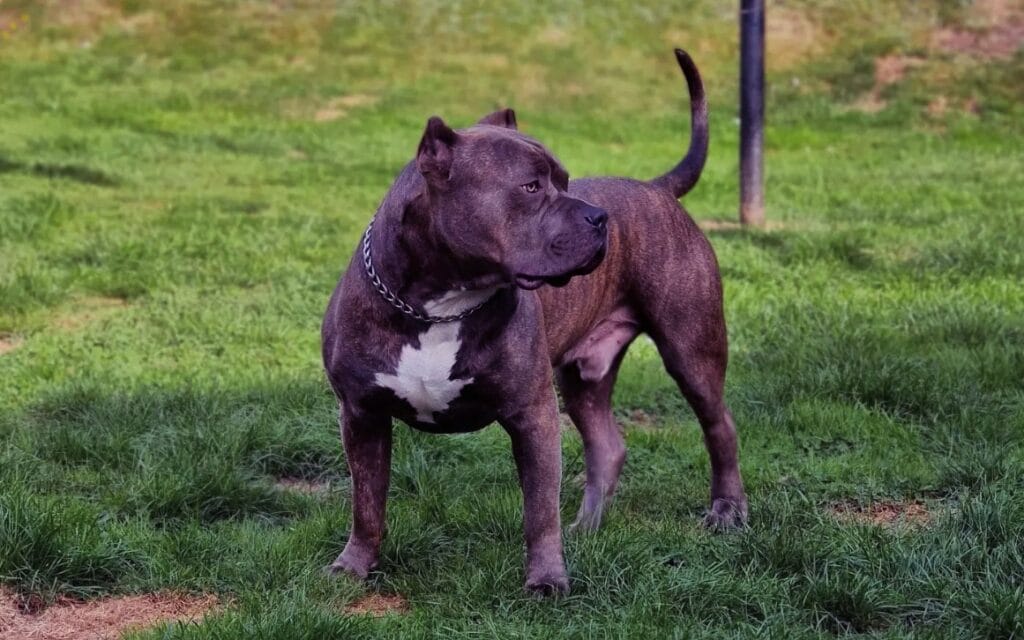
This is where the surprise factor hits hardest. The American Bulldog is a genuinely large dog. Males can top out at 120 pounds and stand close to 28 inches at the shoulder. They’re lean and muscular, built more like a working farm dog than the wrinkly, wide-set companion most people picture when they hear “bulldog.”
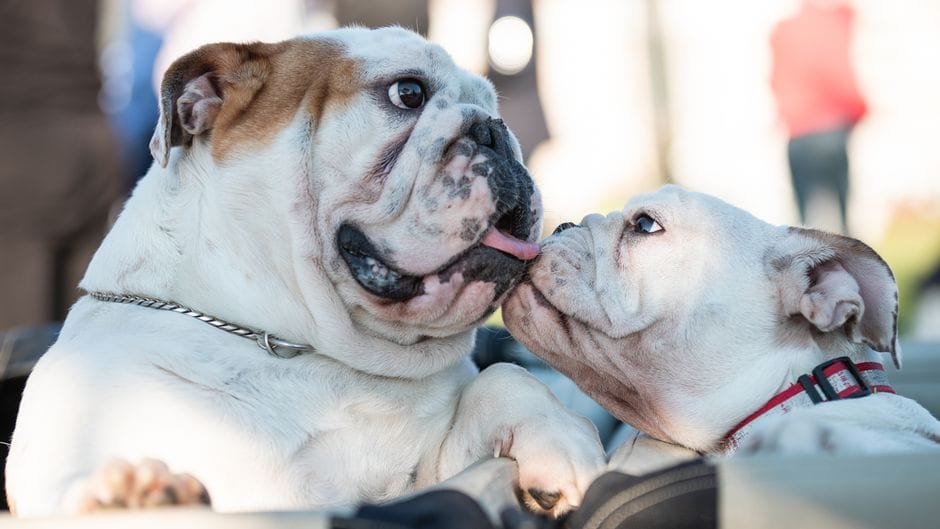
The English Bulldog, by contrast, is a medium-sized dog with a very low-to-the-ground build. Most weigh between 40 and 50 pounds. Their wide chest, short legs, and pushed-in face give them that unmistakable look. If you’re wondering why English Bulldogs are smaller than expected, it’s partly because their compact frame is a result of selective breeding over generations, not poor development.
The American Bulldog’s face is less extreme. The muzzle is shorter than a regular dog’s but not nearly as compressed as the English Bulldog’s. Both breeds have broad heads and strong jaws, but the American looks more athletic overall, almost like a muscular Labrador that got wider.
Temperament and Personality Compared
Both breeds are affectionate and loyal, but they express it differently. English Bulldogs are famously calm, low-drama companions. They form strong bonds with their families, get along reasonably well with strangers, and are generally not reactive dogs. They’re often described as gentle and a little stubborn, which makes training a test of patience rather than muscle.
American Bulldogs are confident, alert, and much more active mentally. They’re working dogs at heart and do best when they have a job to do, even if that “job” is a structured training session or a long fetch game in the yard. They bond deeply with their owners but can be wary of strangers, and early socialisation is genuinely important, not optional.
The stubbornness trait appears in both breeds, but it shows up differently. An English Bulldog might just ignore you. An American Bulldog may push boundaries and test your consistency. First-time dog owners can handle English Bulldogs reasonably well. American Bulldogs tend to need someone who’s comfortable setting clear rules and sticking to them.
Exercise Needs and Energy Levels
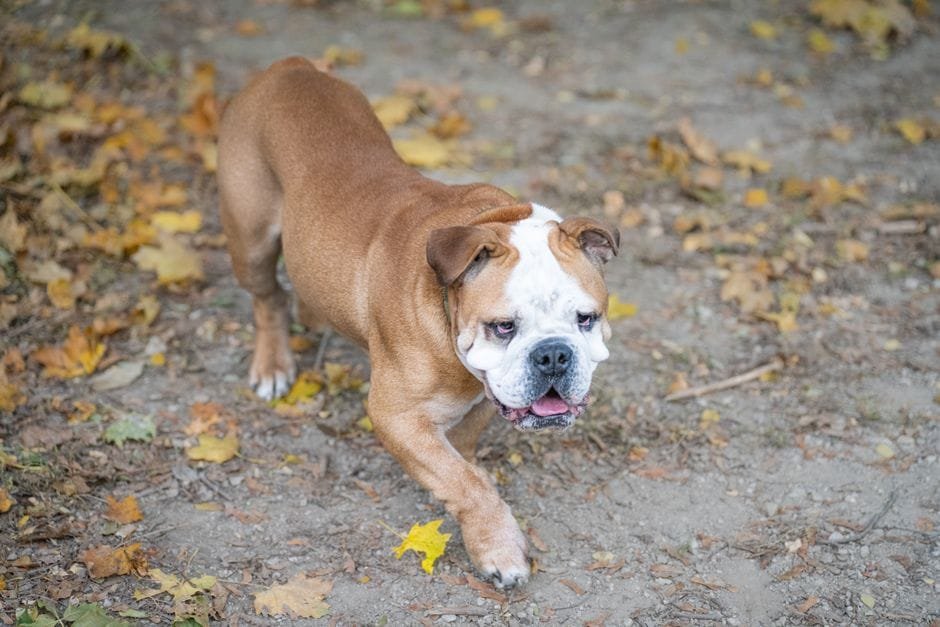
This is probably the most practical difference you’ll feel every single day. English Bulldogs need short, moderate exercise, typically two walks of 15 minutes each. They overheat easily, tire quickly, and are genuinely content being sedentary. On a hot day, a short toilet trip outside may be enough. They’re not lazy, exactly; they’re just built for rest.
American Bulldogs need far more. A healthy adult American Bulldog should get 60 to 90 minutes of real exercise daily, including off-leash time if you have the space for it. They enjoy running, fetching, and structured play. Without adequate activity, they become bored and can develop destructive habits like chewing furniture or persistent barking.
If you live in an apartment or have a sedentary lifestyle, the English Bulldog is the realistic choice. If you have a yard, enjoy outdoor activity, and want a dog that can genuinely keep up with you, the American Bulldog is a better match energetically. Neither breed handles extreme heat well, so adjust outdoor time in summer regardless of which you choose.
Health Considerations for Each Breed
Both breeds carry health risks worth understanding before you commit. The English Bulldog is a brachycephalic breed, meaning their shortened skull structure affects their airway. Breathing difficulties, overheating, and snoring are very common. Skin fold dermatitis, hip issues, and cherry eye are also seen regularly. The breed’s average lifespan of 8 to 10 years is shorter than many dogs of similar size, and vet costs can be higher than average. For a fuller picture of what to watch for, read about common English Bulldog health concerns so you can go in with realistic expectations.
American Bulldogs are generally hardier, but they’re not without issues. Hip and elbow dysplasia are common in the breed. Some lines carry a risk of a rare but serious condition called neuronal ceroid lipofuscinosis, a neurological storage disorder. Skin allergies and thyroid problems also appear in the breed. Their longer lifespan (10 to 15 years) reflects their more robust build, but regular vet check-ups and a quality diet still matter enormously.
For either breed, finding a responsible breeder who screens for genetic conditions, or adopting through a breed-specific rescue, is the best foundation for a healthy dog. Always discuss breed-specific health risks with your vet before bringing a puppy home.
Grooming and Day-to-Day Care
Neither breed requires elaborate grooming, but the English Bulldog takes more daily attention despite having shorter coat concerns. Their skin folds need to be cleaned regularly, at least a few times per week, to prevent moisture buildup and infection. Their ears should be checked weekly, and their tail pocket (the fold around the base of the tail) needs consistent cleaning too. Ignore this and skin issues follow quickly.
American Bulldogs have a short, smooth coat that sheds moderately. Weekly brushing keeps it manageable. They don’t have the same fold-cleaning routine as English Bulldogs, so day-to-day maintenance is lighter. Both breeds need regular nail trims, dental care, and ear checks, standard for any dog.
Drooling is a factor with both. English Bulldogs tend to drool more heavily, particularly after eating or when they’re warm. If you’re particular about surfaces and upholstery, that’s worth knowing in advance.
Which Breed Is Right for You?
The honest answer depends on your lifestyle, not which dog looks more appealing in a photo. Here’s a plain breakdown to help you self-select.
Choose an English Bulldog if: you live in a smaller space, prefer a calmer daily routine, want a dog that adapts well to less active owners, or are a first-time dog owner who wants a manageable, affectionate companion. Be ready for higher potential vet costs and consistent skin fold care.
Choose an American Bulldog if: you have outdoor space, lead an active lifestyle, have some experience with confident or strong-willed dogs, and want a loyal, protective companion who can genuinely match your energy. Be ready to invest time in training and daily exercise from day one.
The American bulldog vs English bulldog differences really do come down to energy and space. Neither breed is harder to love, but one might be significantly harder to manage in your specific situation. If you’re still unsure where the American Bulldog sits relative to similar-looking breeds, it’s also worth reading about the American Bulldog vs American Bully differences, since those two are frequently confused as well.
Take your time with this decision. Visit breeders or rescues, spend time with each breed in person, and be honest about your schedule and living situation. The best dog for you is the one whose needs you can actually meet, every day, for the next decade.
FAQ
Are American Bulldogs and English Bulldogs related?
Yes, both breeds share common ancestry in the old English working bulldogs used for bull-baiting centuries ago. Over time, they were bred in very different directions. The English Bulldog was developed as a companion breed in the UK, while the American Bulldog was preserved as a working farm dog in the American South. They’re related but have diverged significantly in size, temperament, and physical structure. You can read more about bulldog breed history on Wikipedia’s Bulldog overview.
Which is better for families with kids, an American Bulldog or an English Bulldog?
Both can be excellent family dogs with proper socialisation. English Bulldogs tend to be gentler and less boisterous, making them a solid choice around young children. American Bulldogs are affectionate and loyal with family, but their size and energy mean younger children could accidentally get knocked over during play. With consistent training and early socialisation, either breed can thrive in a family home. Supervision around small children is always recommended regardless of breed.
Do American Bulldogs have the same breathing problems as English Bulldogs?
Not to the same degree. English Bulldogs have a much more extreme brachycephalic facial structure, which leads to more pronounced breathing difficulties. American Bulldogs have a shorter muzzle than most breeds but a far less compressed airway than English Bulldogs. They can still overheat and may show mild signs of brachycephalic traits, but serious respiratory issues are less common. If you’re concerned about either breed’s breathing health, a conversation with your vet before purchasing or adopting is the best first step.