

A solid Boston Terrier diet and nutrition guide starts with one key truth: these dogs have a genuinely unique physiology, and feeding advice written for Labradors or Golden Retrievers doesn’t always translate. Their flat faces, gas-prone guts, and compact muscular frames all shape what they need on their plate every day.
What Makes Boston Terrier Nutrition Unique? (Breed-Specific Considerations)
Your Boston Terrier is a brachycephalic breed, meaning that flat face isn’t just adorable, it creates real feeding challenges. Many Boston Terriers eat too fast because of how they pick up food, gulping air in the process. That swallowed air is the primary reason they’re famous for flatulence.
They’re also a small but muscular breed, typically weighing between 12 and 25 pounds, with a metabolism that punishes overfeeding quickly. Because they carry weight easily, portion precision matters more for Bostons than for many other small breeds. Skin fold sensitivity is another factor: high-fat, low-quality diets can worsen skin inflammation around the face and tail pocket. Diet and skin health are closely linked in this breed.
Key Nutrients Every Boston Terrier Needs
Protein is the foundation. Your Boston Terrier needs a diet where a named animal protein (chicken, turkey, salmon, beef) is the first ingredient. Aim for food with at least 22-25% crude protein on the guaranteed analysis panel. This supports muscle maintenance without excess calories.
Healthy fats, especially omega-3 fatty acids from fish oil or flaxseed, help manage the skin irritation this breed is prone to. Moderate fat content (around 10-15%) keeps energy levels steady without tipping into weight gain. Digestible carbohydrates like brown rice, sweet potato, or oatmeal are far gentler on sensitive Boston stomachs than corn, wheat, or soy fillers. Probiotics and prebiotic fiber are also worth looking for on the ingredient label, as they actively support gut health and reduce gas. Understanding Boston Terrier lifespan and long-term health shows just how directly a well-managed diet connects to how long and well your dog lives.
How Much Should a Boston Terrier Eat? (Portion Guide by Age and Weight)
Portion size depends on your dog’s weight, age, and activity level. As a rough starting point for an adult Boston Terrier eating a standard dry kibble (around 350-400 kcal per cup):
- Under 15 lbs: approximately ¾ to 1 cup per day
- 15 to 20 lbs: approximately 1 to 1¼ cups per day
- 20 to 25 lbs: approximately 1¼ to 1½ cups per day
These are starting figures, not fixed rules. The caloric density of different kibbles varies significantly, so always check the feeding guide on your specific bag and adjust based on your dog’s body condition. For a more detailed breakdown, see this guide on how much a Boston Terrier should eat.
How Often Should You Feed a Boston Terrier? (Feeding Frequency and Schedule)
Two meals a day works well for most adult Boston Terriers. Splitting the daily ration into morning and evening portions keeps blood sugar stable, reduces hunger-driven gulping, and makes gas episodes less intense than one large meal would.
Puppies under six months need three meals a day because their stomachs are small and their energy demands are high. Seniors can usually stay on two meals, though some do better with smaller, more frequent portions if they have digestive sensitivities. Using a slow-feeder bowl is genuinely worth the few dollars it costs, as it can cut air-gulping (and therefore gas) dramatically for fast eaters.
Best Types of Food for Boston Terriers (Dry, Wet, Raw, and Mixed)
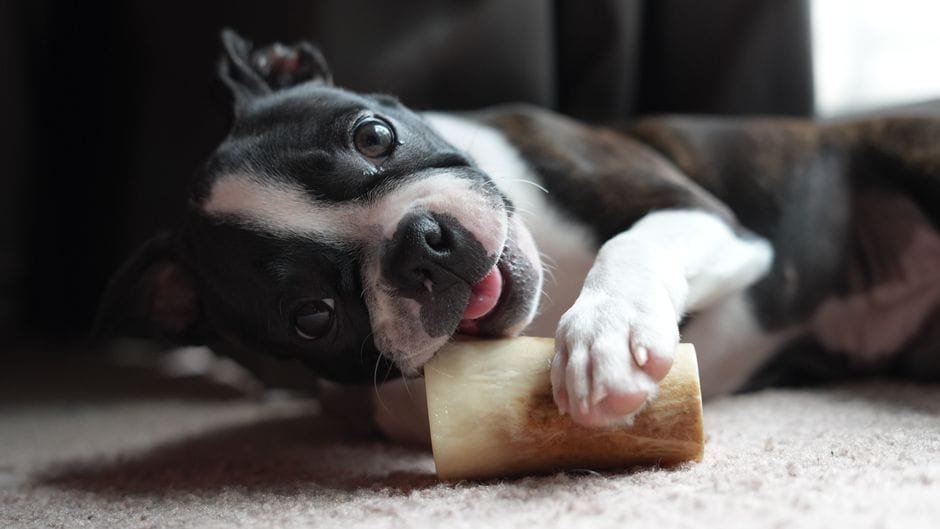
High-quality dry kibble formulated for small breeds remains the most practical everyday choice. Small-breed kibbles are sized appropriately for your Boston’s jaw and tend to have the caloric density that fits their portion needs without requiring huge volumes. Look for formulas with named protein sources, no artificial preservatives, and digestible carbohydrates.
Wet food is a great supplement, especially for picky eaters or dogs who need hydration support, but feeding it exclusively can make weight management trickier. If you mix wet and dry, adjust total calories accordingly. Raw and home-cooked diets can work well, but they require careful planning to avoid nutritional gaps. If you’re considering either route, work with a veterinarian or a board-certified veterinary nutritionist to ensure the diet is balanced. The effort is worth it, but it isn’t a shortcut.
Foods Boston Terriers Should Never Eat (Toxic and Problematic Ingredients)
Some foods are dangerous for all dogs, and your Boston Terrier is no exception. Keep these completely away from them:
- Grapes and raisins (can cause kidney failure)
- Xylitol (artificial sweetener found in gum, peanut butter, and baked goods, highly toxic)
- Onions, garlic, and chives (toxic to red blood cells)
- Chocolate (theobromine poisoning)
- Macadamia nuts
- Alcohol and caffeine
Beyond outright toxins, watch for high-fat table scraps, which can trigger digestive upset or even pancreatitis in sensitive dogs. Corn, wheat, and soy as primary ingredients aren’t toxic, but they’re common allergens for Boston Terriers and often worth avoiding.
Common Dietary Issues in Boston Terriers (Gas, Allergies, Obesity)
Gas is practically a Boston Terrier rite of passage, but diet plays a huge role. Fast eating, low-quality fillers like soy and corn, and overfeeding are the top culprits. Switching to a limited-ingredient food with a single high-quality protein and digestible carbs often produces noticeable improvement within two to three weeks.
Food allergies in Boston Terriers often show up as itchy skin, recurring ear infections, or loose stools rather than dramatic vomiting. Common triggers include chicken, beef, dairy, and wheat. If you suspect an allergy, talk to your vet about a proper elimination diet trial before switching foods randomly. Obesity is the other big concern. Boston Terriers are enthusiastic eaters who will absolutely overeat if given the chance, and extra weight puts serious strain on their already-compromised airways. Keeping your Boston Terrier trim is one of the kindest things you can do for their breathing and joint health.
Feeding Boston Terrier Puppies vs. Adults vs. Seniors
Puppies need more calories per pound of body weight than adults, and they need higher protein and fat to support rapid growth. A small-breed puppy formula is the right choice until around 12 months. Avoid adult food for puppies, as the nutrient ratios aren’t calibrated for growth.
Adult Bostons (roughly 1 to 8 years) do best on a small-breed adult formula that matches their moderate activity level. Their Boston Terrier personality and activity level ranges from playful and energetic to surprisingly mellow depending on the individual, so adjust portions based on how much exercise your specific dog actually gets. Senior Bostons, generally over 8-9 years, often benefit from a senior formula with lower calories, higher fiber, and joint-supporting nutrients like glucosamine. Their digestion can slow, so highly digestible ingredients matter even more at this stage.
Treats and Supplements: What’s Worth It?
Treats should account for no more than 10% of your Boston’s daily calories. Small, low-calorie options like blueberries, baby carrots, or plain cooked chicken work well for training without adding much to the daily total. Avoid treats made with artificial colors, xylitol, or vague “meat by-product” sources.
On supplements: fish oil is genuinely useful for skin and coat health in this breed, and many vets recommend it. Probiotic supplements can help dogs with ongoing gas or loose stools. Joint supplements with glucosamine and chondroitin are worth considering for aging dogs. For everything else, check with your vet before adding anything to the bowl, especially for a brachycephalic dog who may already be on medication for respiratory issues. More isn’t always better.
Tips for Transitioning Your Boston Terrier to a New Food
A sudden food switch is one of the fastest ways to trigger a gas explosion and digestive upset in a Boston Terrier. Always transition gradually over 7 to 10 days. Start by mixing about 25% new food with 75% old food for the first three days, then move to 50/50, then 75% new for a few days, then fully switch.
Watch your dog’s stool quality throughout. Slightly looser stools are normal during a transition, but anything watery or lasting more than a couple of days is a signal to slow down or consult your vet. Patience pays off here. A smooth transition means fewer digestive complaints and a faster adjustment to the new diet’s benefits.
FAQ
What is the best dog food for Boston Terriers?
Look for a small-breed formula where a named animal protein is the first ingredient, with digestible carbohydrates like sweet potato or brown rice and no corn, soy, or wheat. Brands with limited ingredient options work particularly well for Bostons prone to allergies or gas. Your vet can recommend specific formulas based on your dog’s individual health profile.
How many times a day should I feed my Boston Terrier?
Twice a day is the standard recommendation for adults. Puppies under six months need three meals daily. Splitting meals reduces gulping, stabilizes energy, and helps manage gas, which is a genuine quality-of-life win for both you and your dog.
Why does my Boston Terrier have so much gas, and can diet fix it?
Most Boston Terrier gas comes from two sources: swallowed air (from eating too fast) and poorly digestible ingredients like soy, corn, or low-quality fillers. Switching to a high-quality, limited-ingredient food and using a slow-feeder bowl often produces a noticeable improvement. Persistent or severe gas can also signal a food intolerance, so a vet check is worthwhile if diet changes don’t help. For more on gut health and digestion, the NIH has useful background reading.
Can Boston Terriers eat grain-free food?
Grain-free diets are fine for some Boston Terriers, particularly those with grain sensitivities, but they aren’t automatically healthier. The FDA has investigated a potential link between grain-free diets and dilated cardiomyopathy in dogs, so this is a conversation worth having with your vet before switching. Grains like brown rice and oatmeal are well-tolerated by most Boston Terriers and provide useful fiber.
How do I know if my Boston Terrier is at a healthy weight?
Run your hands along your Boston’s ribs. You should be able to feel them without pressing hard, but not see them prominently. Looking from above, there should be a visible waist. If the ribs are buried or the waist has disappeared, your Boston Terrier is likely carrying extra weight. Your vet can give you a precise body condition score at the next checkup, which is the most reliable way to track this.