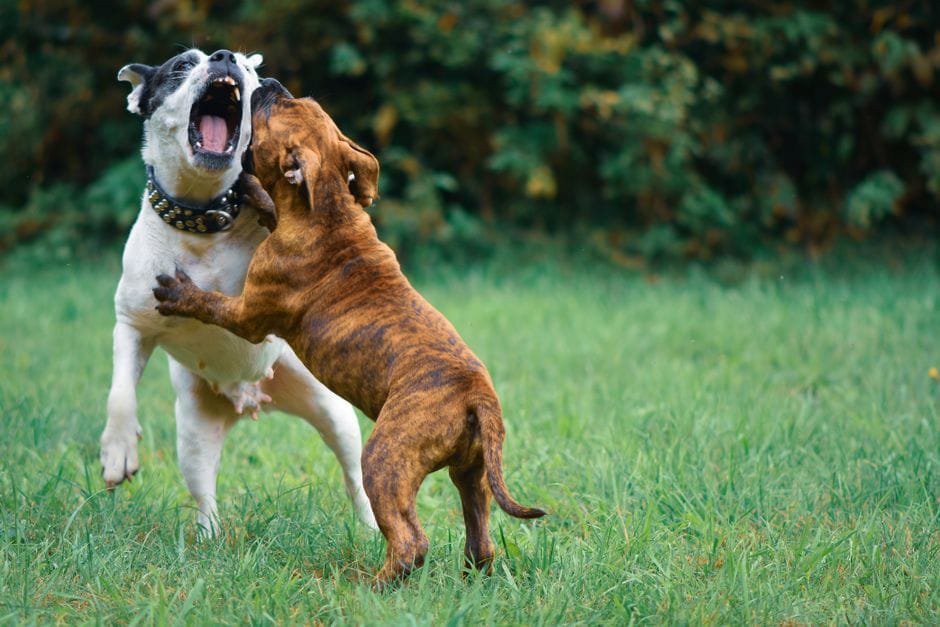
American Bulldog vs American Bully: Quick Overview
The American Bulldog vs American Bully question trips up a lot of prospective owners, and honestly, it’s an easy mistake to make. Both are stocky, muscular, and confident dogs. But their histories, temperaments, and day-to-day care needs are quite different, and choosing the wrong one for your lifestyle can be frustrating for both you and the dog.
The quick version: the American Bulldog is an older working breed, athletic and protective. The American Bully is a newer, more compact companion breed, bred specifically for a gentle, sociable temperament. Below is a side-by-side snapshot before we go deeper.
Trait American Bulldog American Bully Origin United States (working farm dog) United States (companion breed, 1980s-90s) Size 60-120 lbs, 20-28 inches tall Varies widely: Pocket to XL (30-150 lbs) Build Athletic, longer legs, leaner Extremely broad, heavy-boned, low to ground Temperament Loyal, protective, confident Friendly, outgoing, people-oriented Exercise need High Moderate Trainability Moderate (can be stubborn) Moderate to good (eager to please) Best for Active owners, experienced handlers Families, apartment-friendly (smaller sizes) BSL risk Low Possible in some regions
Origins and Breed History: Where Each Dog Comes From
The American Bulldog traces back to working bulldogs brought to the American South by English settlers. For generations, these dogs caught livestock, guarded farms, and helped hunt wild boar. They’re built for real physical work. By the mid-20th century the breed had nearly disappeared, but breeders like John D. Johnson and Alan Scott revived distinct lines, which is why you’ll sometimes hear about Johnson-type and Scott-type American Bulldogs today.
The American Bully has a much shorter history. It emerged in the 1980s and 1990s, primarily in Virginia and Southern California, developed by crossing American Pit Bull Terriers with American Staffordshire Terriers and some Bulldog influence. The goal was never a working dog. Breeders specifically wanted a calmer, heavier, more family-friendly companion. The American Bully was recognised by the American Bully Kennel Club and the United Kennel Club.
That difference in origin matters practically. The American Bulldog still carries working-dog instincts: alertness, drive, and a strong guarding tendency. The American Bully was shaped entirely around being pleasant to live with.
Size and Physical Appearance: How to Tell Them Apart
Standing next to each other, these breeds actually look quite different once you know what to look for. American Bulldogs are taller and leggier, typically 20 to 28 inches at the shoulder and weighing anywhere from 60 to 120 pounds. They have a longer muzzle (important for breathing), a powerful but proportionate build, and an athletic silhouette. Their head is large, but not exaggerated.
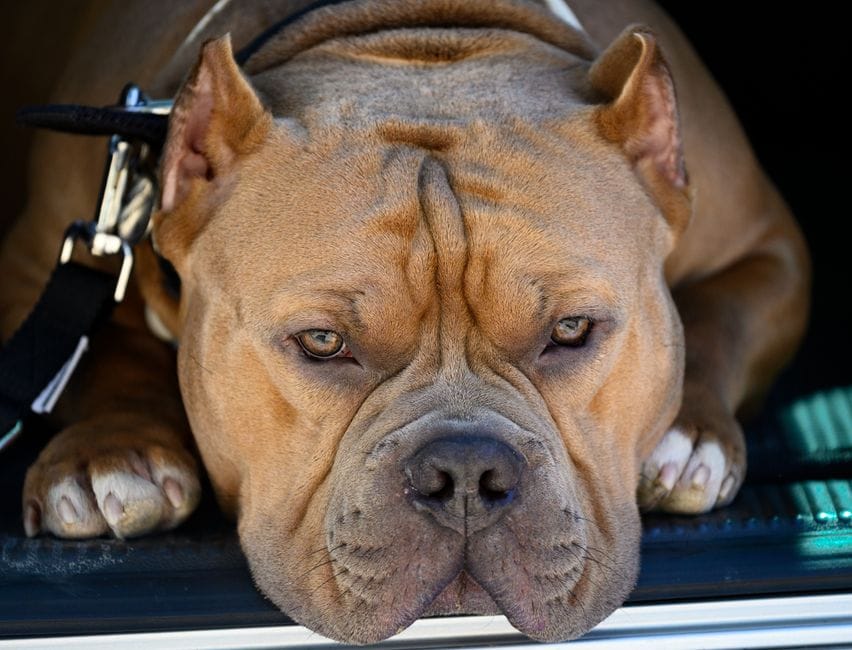
American Bullies are lower to the ground with a much wider chest and shorter legs relative to their body mass. Their head is often described as “block-like,” with a very broad skull. The breed comes in several size categories, from Pocket Bullies under 17 inches tall to XL Bullies that can reach 150 pounds. If you’re curious about the range, different sizes of American Bullies vary more than most people realise.
One key visual clue: the muzzle. American Bulldogs have a moderate muzzle length. Many American Bullies have a noticeably shorter, flatter face, which puts them in the brachycephalic category. Brachycephalic simply means “short-headed,” and it affects breathing, which we’ll cover in the health section. Both breeds come in a wide range of coat colours, so colour alone won’t help you tell them apart.
Temperament and Personality Differences
This is where the American Bulldog vs American Bully distinction really matters for day-to-day life. American Bulldogs are deeply loyal to their families but tend to be reserved or watchful around strangers. That protective instinct is genuine, not performative. They bond hard with their people and can be wonderful family dogs, though their confidence and size mean they’re better suited to owners who understand dog body language and boundaries.
If you want a sense of just how affectionate American Bulldogs can be, they’re often surprisingly snuggly with their inner circle while remaining more guarded in public.
American Bullies were bred to be the opposite of aloof. They’re typically friendly, social, and enthusiastic with almost everyone. Their people-oriented nature means they don’t do well with long stretches of isolation. They want to be in the middle of family life. For households with children or frequent visitors, the Bully’s open, gentle temperament is genuinely well-suited.
Neither breed should be described as inherently aggressive. Both need proper socialisation from puppyhood. Size and strength mean that any behavioural issues in either breed need addressing early, but that’s true of most large, powerful dogs.
Exercise and Activity Level Needs
American Bulldogs need real exercise. Not just a stroll around the block, but active, purposeful activity: long walks, running, fetch, or even structured dog sports like weight pull or agility. An under-exercised American Bulldog becomes bored, and a bored American Bulldog finds its own entertainment, usually destructive. Plan for at least 60 to 90 minutes of vigorous activity daily.
American Bullies are more moderate in their exercise demands. Daily walks and play sessions satisfy most of them, though XL-sized individuals still need enough movement to stay healthy. Their shorter muzzles can limit how hard they work in hot weather, so outdoor exercise during cooler parts of the day is sensible. They’re a better fit for owners with somewhat less active lifestyles, provided they’re not left sedentary all day.
Trainability and Experience Required
Both breeds are intelligent, but intelligence in dogs doesn’t always mean easy to train. American Bulldogs can be genuinely stubborn. They were bred to make independent decisions in the field, and that quality doesn’t disappear in a suburban backyard. Consistent, firm, and positive training from day one is non-negotiable. If you’re new to dog ownership, read up on training an American Bulldog before bringing one home. It’ll save you a lot of frustration.
American Bullies tend to be a bit more eager to please, which makes them somewhat more responsive to positive reinforcement training. They still need consistency and clear boundaries, but first-time owners generally find them more manageable than American Bulldogs. Early socialisation is important for both breeds, particularly around other dogs.
For prospective owners wondering about suitability, there’s a useful breakdown of whether American Bulldogs are good for first-time owners that’s worth reading if you’re leaning toward that breed.
Health Considerations for Each Breed
American Bulldogs are generally a robust breed with a lifespan of around 10 to 12 years. Common health concerns include hip dysplasia, elbow dysplasia, cherry eye, and some skin conditions. Because they have a longer muzzle than many related breeds, they avoid the most severe breathing complications. Regular vet checks, maintaining a healthy weight, and appropriate exercise go a long way. You can learn more about canine hip dysplasia from NIH resources on musculoskeletal conditions.
American Bullies, especially those with flatter faces, face brachycephalic challenges. Shortened airways can make breathing laboured during exercise or in heat. Snoring, snorting, and exercise intolerance are common. More severely affected individuals may need surgical intervention. Beyond breathing, Bullies are prone to skin fold infections (those deep facial wrinkles need cleaning), joint issues given their heavy frame, and heart conditions in some lines. Lifespan is roughly 8 to 12 years, with smaller sizes typically living longer.
Both breeds benefit from a responsible breeder who screens for hereditary conditions. If you’re exploring mixed-breed options, the American Bulldog Pitbull mix is another breed worth researching, as it shares some traits with both.
Which Breed Is Right for You?
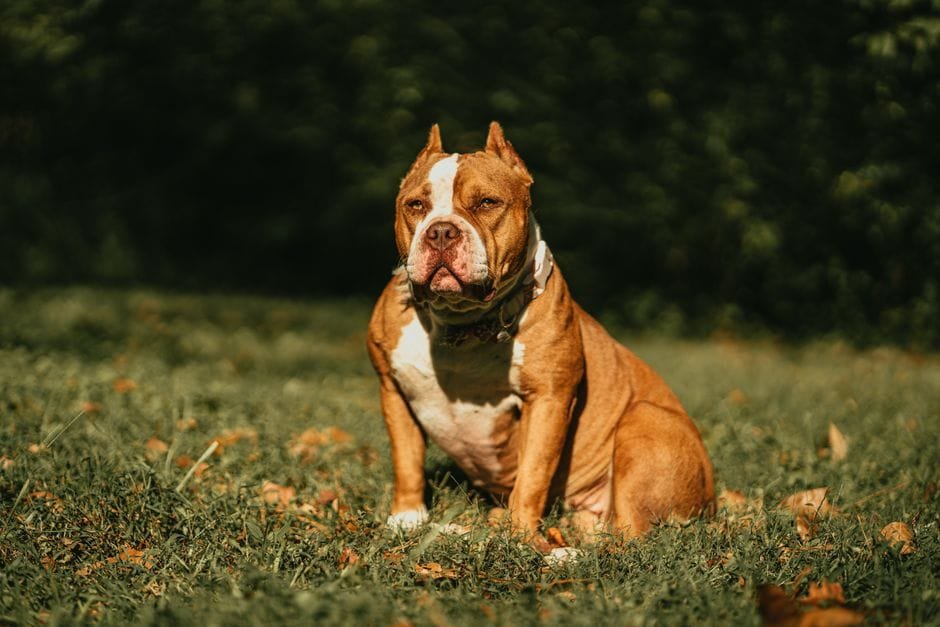
Here’s the practical verdict. Choose an American Bulldog if you’re an active person or family who enjoys outdoor time, has experience handling large, confident dogs, and wants a loyal protector alongside a loving companion. They thrive with space, a job to do (even if that job is just daily vigorous play), and an owner who can match their energy and hold clear boundaries.
Choose an American Bully if your priority is a sociable, affectionate, and somewhat calmer dog who fits more easily into family life. They’re better for first-time large-breed owners, households with young children, and people in smaller homes or apartments (particularly the Pocket or Standard sizes). Their gentler temperament and moderate exercise needs make daily life more straightforward.
One practical consideration for American Bully owners: breed-specific legislation (BSL) exists in some cities and regions and may include Bullies under pit bull-type restrictions. Laws vary significantly by location, so check your local regulations before committing. The American Bulldog is rarely targeted by BSL.
Whichever direction you’re leaning, the American Bulldog vs American Bully decision ultimately comes down to your lifestyle, your experience level, and what you want from a dog. Neither breed is objectively better. They’re just different in ways that genuinely matter.
FAQ
Is an American Bully the same as an American Bulldog?
No, they’re distinct breeds with separate histories. The American Bulldog descended from working farm dogs brought to America by English settlers. The American Bully is a newer breed developed in the late 20th century from Pit Bull Terrier and Staffordshire lines, specifically as a companion dog. They share a stocky build but differ in origin, temperament, size range, and typical health concerns.
Which breed is better for families with kids, American Bulldog or American Bully?
Both can be excellent family dogs with proper training and socialisation. American Bullies tend to be naturally more sociable and gentle with children, making them a slightly easier fit for busy family households. American Bulldogs are loving with their families but may be more reserved with new people and require more consistent handling. Supervision around young children is sensible with any large, powerful breed.
Are American Bullies more aggressive than American Bulldogs?
No. In fact, American Bullies were specifically bred away from dog-aggression and towards a gentle, friendly temperament. American Bulldogs have stronger protective instincts and may be more likely to act as guard dogs. Neither breed is inherently aggressive, but both need early socialisation and consistent training. Aggression in either breed is typically the result of poor socialisation, neglect, or mishandling rather than anything built into the breed.