American bulldog puppy growth stages follow a longer timeline than most owners expect. Unlike smaller breeds that wrap up most of their development by 12 months, American Bulldogs keep filling out physically and maturing mentally until they are nearly two years old. Knowing what to expect at each phase helps you make smarter decisions about feeding, training, and vet care, and it stops you from worrying when completely normal things happen.
What to Expect From American Bulldog Puppy Development
American Bulldogs are a large, muscular working breed. Males typically reach 75-125 lbs and females 60-100 lbs at full maturity. That kind of size takes time to build. Your puppy will go through six distinct developmental phases, each with its own physical milestones and behavioral shifts. Some stages overlap, and every puppy moves through them at a slightly individual pace, which is perfectly normal.
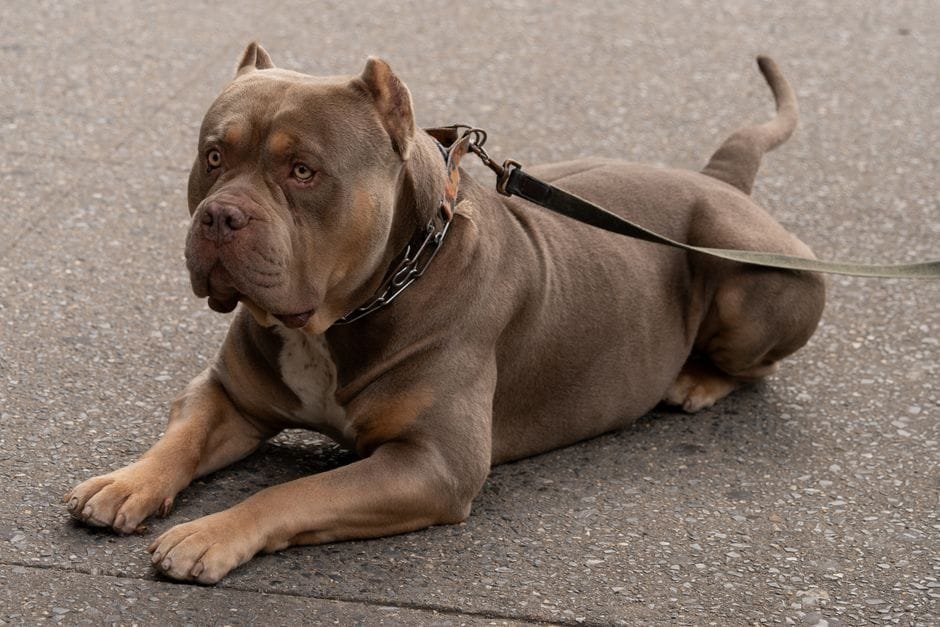
If you are comparing American Bulldogs to similar breeds, our guide on American Bulldog vs American Bully breed differences covers how these two often-confused breeds actually develop and differ. Understanding which breed you have matters for setting accurate growth expectations.
Stage 1: Neonatal Period (0-2 Weeks), Helpless but Growing Fast
Newborn American Bulldog puppies are born blind, deaf, and completely dependent on their mother. Their eyes and ear canals are sealed shut. They spend almost all their time sleeping and nursing, and their only real jobs are eating and staying warm.
Weight gain is rapid during this stage. Healthy puppies typically double their birth weight within the first 10 days. If a puppy is not gaining weight or is being pushed away from nursing, that warrants a call to your vet. Otherwise, the best thing you can do is minimise handling and let the mother do her job.
Stage 2: Transitional Period (2-4 Weeks), Eyes Open, World Begins
Around 10-14 days, your puppy’s eyes crack open. Their hearing develops shortly after. These are exciting moments, but vision and hearing are still fuzzy at this point. Puppies start wobbly walking, begin interacting with their littermates, and show the first glimmers of personality.
Their first teeth begin emerging around three weeks. Weaning can start to be introduced gradually with soft food. This stage is brief but important, as the brain is rapidly forming basic neural pathways that will shape how your puppy perceives the world.
Stage 3: Socialization Window (4-12 Weeks), The Most Critical Stage
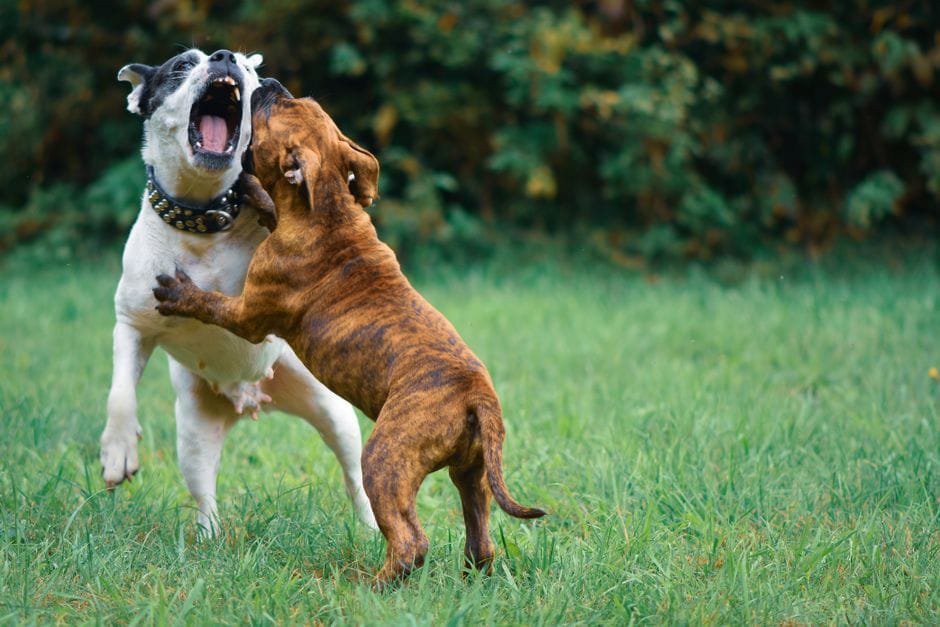
This is the single most influential stretch in your American Bulldog puppy’s entire life. Between four and twelve weeks, the brain is primed to absorb new experiences. Positive exposure to people, sounds, surfaces, children, other animals, car rides, and everyday household activity shapes how your dog handles novelty for years to come.
American Bulldogs can have a naturally confident, sometimes assertive temperament. Early socialization softens that into the friendly, outgoing dog the breed is capable of being. Miss this window and you may spend years managing anxiety or reactivity that could have been prevented with a few weeks of deliberate, low-pressure exposure.
- Introduce at least 5-10 new positive experiences per week
- Keep encounters short, calm, and reward-based
- Avoid overwhelming your puppy; let them set the pace
- Puppy classes (after vaccinations allow) are excellent at this stage
Puppies also learn bite inhibition from their littermates during this period. Removing a puppy before eight weeks disrupts this learning. Most responsible breeders send puppies home between 8-10 weeks for exactly this reason.
Stage 4: Juvenile Period (3-6 Months), Rapid Growth and Testing Limits
Your puppy starts looking more like a small version of an adult dog now. Legs are growing fast, coordination is improving, and energy levels are noticeably higher. American Bulldog puppies in this stage can seem clumsy because their bodies are changing faster than their motor control can keep up with.
American bulldog puppy growth stages during this period often include a lanky phase where the dog looks thin and unbalanced. This is normal. Muscle mass fills in later. Teething also ramps up around 4-6 months as adult teeth push through, and your puppy’s urge to chew becomes intense.
Bite pressure increases significantly at this age. Learning how to stop a puppy from biting now will save you a lot of trouble later, especially with a breed that will eventually have serious jaw strength. Redirect to toys consistently rather than using physical correction.
Stage 5: Adolescence (6-18 Months), Hormones, Muscle, and Stubbornness

Many owners find this the most challenging stretch. Your American Bulldog will hit a hormonal surge, and training cues your puppy knew perfectly may suddenly seem forgotten. This is not defiance for its own sake. The adolescent brain is reorganising, and impulse control genuinely deteriorates for a period.
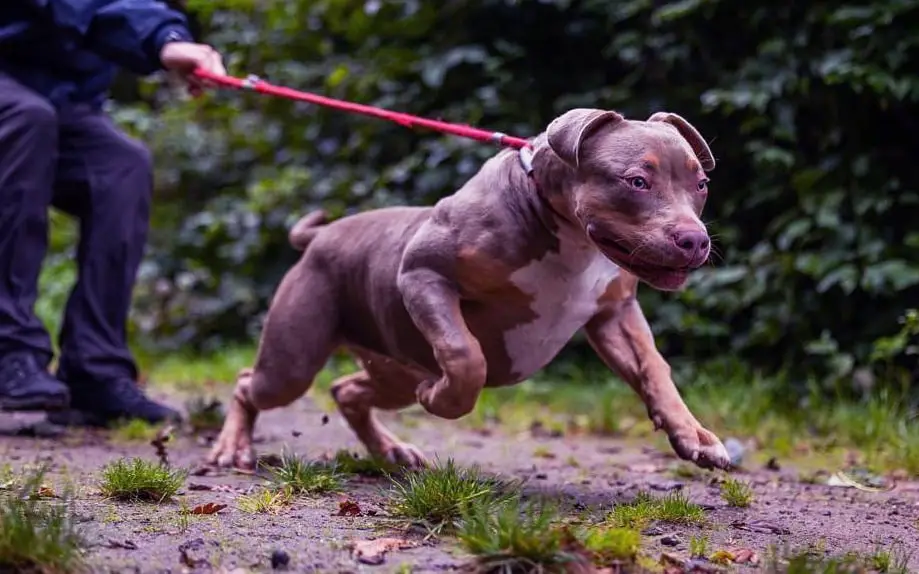
Muscle development accelerates significantly from 6 months onward. Your dog will start to look noticeably broader in the chest and shoulders. Intact males may begin showing interest in females, and both sexes can become more assertive with other dogs. This is a common time to discuss spaying or neutering with your vet.
Keep training sessions short (5-10 minutes), frequent, and positive. Consistency is everything during adolescence. Drop it, and you risk behavioural patterns setting in that are much harder to shift in a 90 lb adult dog than in a 30 lb teenager.
Stage 6: Early Adulthood (18 Months-2 Years), Reaching Full Size
Skeletal growth is mostly complete by 18 months, but American Bulldogs continue adding muscle mass and filling out their frame until around 24 months. Some large males are still broadening at two and a half years. Height plateaus first; width and depth of chest come later.
Mentally, your dog settles down considerably through this stage. The frantic energy of adolescence gives way to a calmer, more predictable temperament. This is when American Bulldogs truly reward patient owners. The loyal, affectionate, confident dog you hoped for begins to show up consistently.
If you are considering a mixed-breed variant, our article on the American Bulldog Pitbull mix covers how crossbreeding affects development timelines and adult size, which differs noticeably from a purebred American Bulldog.
American Bulldog Growth Chart: Weight and Height by Age
These figures are general averages. Individual dogs vary based on genetics, diet, and sex. Always use these as reference ranges rather than hard targets.
- 8 weeks: 8-15 lbs, 8-12 inches at shoulder
- 3 months: 20-35 lbs, 12-16 inches
- 6 months: 40-65 lbs, 16-20 inches
- 9 months: 55-80 lbs, 18-22 inches
- 12 months: 65-95 lbs, 20-25 inches
- 18 months: 70-110 lbs, 21-27 inches
- 24 months: 75-125 lbs (males), 60-100 lbs (females)
Common Growth Concerns and When to Call Your Vet
Most variation in the american bulldog puppy growth stages is completely normal. That said, a few things genuinely warrant a vet conversation sooner rather than later.
- Persistent limping or reluctance to bear weight on a limb, especially in larger-framed puppies growing fast
- Significant weight loss or failure to gain weight across two consecutive weeks
- Pot-bellied appearance combined with poor coat quality, which can indicate parasite load
- Severe panting or laboured breathing at rest, as American Bulldogs can be mildly brachycephalic and breathing should be checked early
- Extreme asymmetry in limb development rather than the normal lanky, uneven growth phase
Routine vet visits at 8 weeks, 12 weeks, and 16 weeks cover vaccinations and basic developmental checks. After that, annual wellness exams keep everything on track. Frame these as normal maintenance, not reactions to problems.
Feeding Your American Bulldog at Each Growth Stage
Large breed puppy food is important for American Bulldogs specifically because it moderates calcium and phosphorus levels to support controlled bone growth. Overfeeding a fast-growing large breed puppy stresses developing joints. For guidance on feeding amounts, follow the manufacturer’s guidelines for your puppy’s current weight and consult your vet at each wellness check.
- 0-8 weeks: Mother’s milk or approved puppy milk replacer
- 8-12 weeks: 3-4 small meals per day of large breed puppy food
- 3-6 months: 3 meals per day, monitor for rapid weight gain
- 6-12 months: Transition to 2 meals per day
- 12-24 months: Continue large breed puppy formula until 18 months, then transition to adult food
Training Tips Matched to Each Developmental Stage
American Bulldogs are intelligent but independent thinkers. Matching your training approach to where your puppy is developmentally makes a real difference in how quickly they learn.
- 4-8 weeks: Breeder’s job, basic litter socialisation and early exposure
- 8-12 weeks: Name recognition, sit, come, gentle leash introduction, crate training
- 3-6 months: Heel, down, stay, leave it, proofing basics in new environments
- 6-12 months: Maintain all commands under distraction, address adolescent regression with patience, not punishment
- 12-18 months: Refine and solidify, add advanced skills if desired, this breed can excel at weight pulling, agility, and obedience work
Keep it positive. American Bulldogs respond well to food-based rewards and genuine praise. They tend to shut down or become stubborn with heavy-handed methods, which makes patience your most useful tool across all the american bulldog puppy growth stages.
FAQ
When is an American Bulldog fully grown?
American Bulldogs reach their full height at around 18 months but continue adding muscle mass and chest depth until around 24 months, and sometimes beyond in larger males. They mature significantly later than smaller breeds.
How big will my American Bulldog puppy get?
Adult males typically reach 75-125 lbs and 22-27 inches at the shoulder. Females are generally smaller, ranging from 60-100 lbs and 20-25 inches. Genetics play the biggest role, so looking at the parents gives the most reliable prediction.
At what age should I start training my American Bulldog puppy?
Start the moment your puppy comes home, usually at 8 weeks. Simple cues like sit, name recognition, and crate introduction can begin immediately. The earlier you start, the better the foundation you build before adolescent stubbornness kicks in around 6 months.
Is it normal for American Bulldog puppies to grow unevenly or look lanky?
Yes, completely normal. Between 3 and 9 months especially, American Bulldogs often look gangly, disproportionate, or even thin-chested. Legs grow faster than the rest of the body fills in. Muscle mass follows later, and most dogs look dramatically different by 18-24 months.