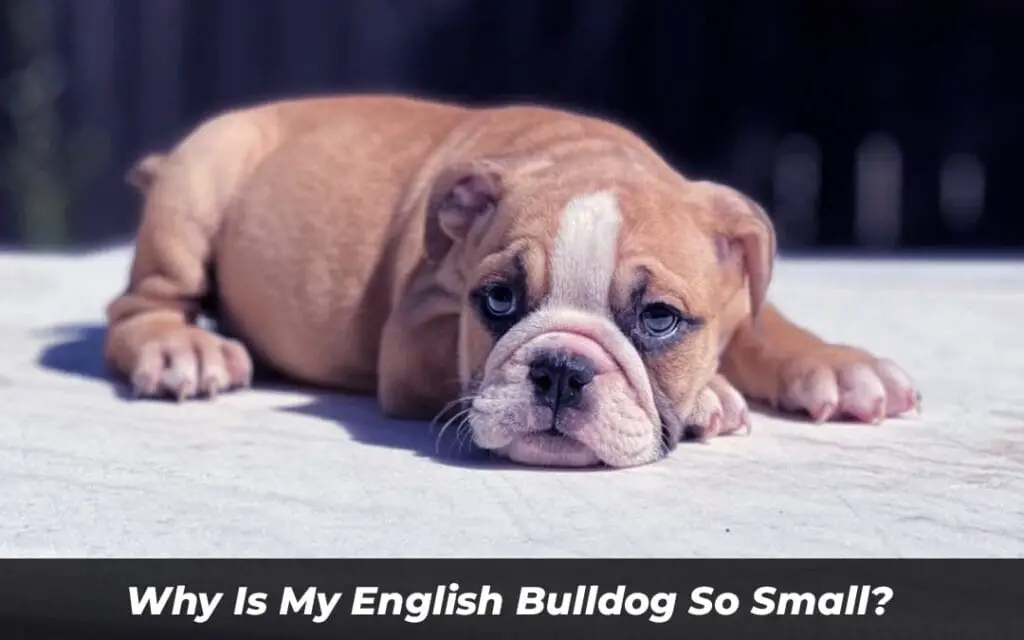
The english bulldog health problems owners should prepare for are real, significant, and manageable, but only if you know what to look for. This breed is one of the most lovable around, and with the right preparation, you can give your bulldog a long, comfortable life.
Why English Bulldogs Are Prone to So Many Health Problems
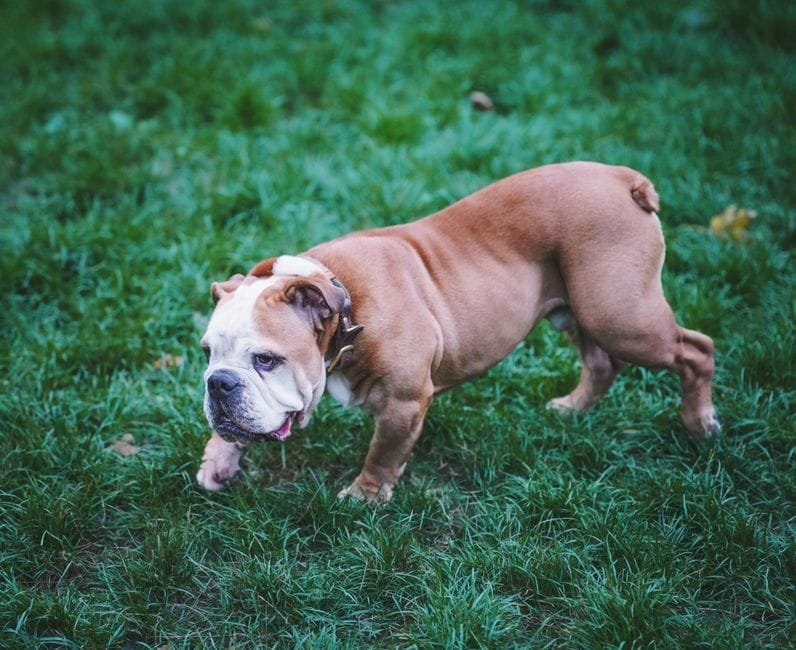
English Bulldogs were selectively bred for a flat face, a stocky low body, and loose, wrinkled skin. Those traits are exactly why people adore them, and they are also why this breed carries a heavier health burden than most.
Two terms explain a lot: brachycephalic (meaning short-skulled) and chondrodystrophic (meaning abnormal cartilage development). The compressed skull restricts their airway. The cartilage abnormalities affect their spine, hips, and joints. Add in those deep skin folds and a corkscrew tail, and you have a dog whose anatomy creates several overlapping vulnerabilities. None of this means your bulldog is doomed, but going in with clear eyes makes all the difference.
Brachycephalic Obstructive Airway Syndrome (BOAS): The #1 Concern
BOAS is the most pressing of all english bulldog health problems owners should prepare for. It covers a cluster of structural issues: narrow nostrils, an elongated soft palate, and a narrowed trachea. Together, these make breathing harder than it should be.
What you will notice day-to-day is heavy snoring, noisy breathing, and a dog that overheats or tires faster than you would expect. In heat or during excitement, this can escalate quickly. Watch for open-mouth breathing at rest, blue-tinged gums, or your dog gagging after eating. Those are signs that need a vet call the same day.
Many Bulldogs benefit from corrective surgery to widen the nostrils or shorten the soft palate. Costs typically run between $1,000 and $3,500 depending on how much work is needed. It sounds like a lot, but owners who have done it consistently say their dog’s quality of life improves dramatically. Keep your bulldog cool, avoid midday walks in summer, and never leave them in a parked car.
Skin Fold Dermatitis: Keeping Those Wrinkles Clean and Healthy
Those gorgeous wrinkles trap moisture, bacteria, and yeast. Skin fold dermatitis is essentially an infection that develops in the creases around the face, neck, and body, and it can get painful fast if ignored.
You will smell it before you see it. A sour or yeasty odour coming from the folds is your first signal. Redness, brown discharge, or your dog rubbing their face on the carpet are also classic signs. The fix is consistent cleaning, a gentle wipe with a bulldog-safe fold cleaner or fragrance-free baby wipe, done a few times a week or daily in hot weather. Your vet can recommend an antifungal wipe or cream if infection has already set in, and treatment is usually straightforward when caught early.
Hip Dysplasia and Joint Problems: What to Watch as They Age
English Bulldogs are not built for agility, but they should still be able to move comfortably. Hip dysplasia, where the hip joint develops abnormally, is common in this breed. The chondrodystrophic nature of their skeleton also puts them at risk for intervertebral disc disease (IVDD), which can affect their spine.
Early signs include reluctance to climb stairs, a bunny-hop gait when running, or stiffness after lying down. As your bulldog ages past five or six, keep a close eye on how they move. Joint supplements like glucosamine and fish oil can help maintain comfort, but your vet should confirm the diagnosis with X-rays before you assume what is going on. Surgical options exist for severe cases, though many dogs are managed well with medication and controlled exercise. If you have ever wondered why your English Bulldog is smaller than expected, structural bone issues can sometimes be a contributing factor worth discussing with your vet.
Eye Conditions: Cherry Eye, Entropion, and Dry Eye
Bulldog eyes are prominent and expressive, which also makes them vulnerable. Cherry eye is when the gland of the third eyelid prollapses and pokes out as a red, fleshy bump in the corner of the eye. It looks alarming, but it is fixable with surgery. Entropion is when the eyelid rolls inward, causing the lashes to scratch the eye surface, painful and damaging if left untreated. Dry eye (keratoconjunctivitis sicca) means the eye does not produce enough tears, leading to thick discharge and irritation.
Check your bulldog’s eyes regularly. Excessive squinting, redness, or discharge that is not just the usual morning crust all deserve attention. These conditions are among the english bulldog health problems owners should prepare for sooner rather than later, cherry eye often appears in puppies under two years old.
Tail Pocket Infections: The Hidden Problem Under the Tail
Many English Bulldogs have a small pocket of skin right at the base of their tail, tucked underneath. This tail pocket collects debris, moisture, and bacteria, and it is very easy to miss during a casual check.
Signs of an infected tail pocket include scooting, chewing at the base of the tail, or a foul smell from that area. Cleaning it weekly with a cotton ball or gentle wipe is the best prevention. Understanding your dog’s tail structure helps a lot here, for a thorough guide on English Bulldog tail types and tail pocket care, it is worth reading up before infection becomes a recurring issue. Severe or chronic infections sometimes require surgical removal of the tail.
Digestive Issues: Bloat, Gas, and Food Sensitivities
English Bulldogs are famously gassy, partly because of how they eat (inhaling air along with food) and partly because many have sensitive stomachs. Food allergies and intolerances are common, showing up as loose stools, chronic diarrhoea, vomiting, or itchy skin.
Bloat, in its serious form (gastric dilatation-volvulus, or GDV), is a life-threatening emergency where the stomach fills with gas and twists. It is less common in Bulldogs than in deep-chested breeds, but it can happen. Symptoms include a visibly swollen abdomen, unproductive retching, and a dog that seems in sudden distress. That is a 911-level vet call. For everyday management, slow-feeder bowls, smaller meals, and a high-quality limited-ingredient diet go a long way. If your bulldog seems thin rather than pudgy, check out this guide on English Bulldog not gaining weight for possible causes.
Heart Conditions: What English Bulldog Owners Should Know
English Bulldogs have a higher-than-average incidence of congenital heart defects, particularly pulmonic stenosis (a narrowing of the valve between the heart and lungs) and ventricular septal defects (small holes between heart chambers). These are often detected during a puppy wellness exam via a heart murmur.
A murmur does not automatically mean crisis, but it does mean monitoring. Some dogs live normal lives with a mild murmur; others need medication or intervention. Annual cardiac check-ups are a sensible part of bulldog ownership. Sudden collapse or extreme exercise intolerance can signal serious cardiac issues. For more on why some Bulldogs experience sudden decline, the article on why English Bulldogs sometimes die suddenly covers some of the underlying causes owners should be aware of.
Weight and Nutrition: How Being Overweight Worsens Every Condition
Extra weight is genuinely one of the worst things for a Bulldog. It puts more strain on already-stressed hips and joints, makes breathing harder for a dog already fighting BOAS, and increases the load on the heart. A chunky Bulldog might look adorable, but the health cost is real.
Aim for a diet appropriate for their size and activity level, and resist the urge to free-feed. Your vet can confirm an ideal weight for your individual dog. English Bulldogs are not high-energy exercisers, so their caloric needs are lower than many owners assume. Treats should be low-calorie, and table scraps should be off the menu. This single habit protects against several of the english bulldog health problems owners should prepare for simultaneously.
How to Prepare Financially: Realistic Vet Costs and Pet Insurance
Budgeting honestly is one of the kindest things you can do for your bulldog. Routine annual care, including vaccinations, heartworm prevention, dental cleaning, and check-ups, can run $500 to $1,000 per year. Add in one corrective surgery (BOAS, cherry eye, hip issues) and you could be looking at $2,000 to $5,000 in a single year.
Pet insurance for English Bulldogs is more expensive than for many breeds because insurers know the risk profile. Expect monthly premiums of $60 to $120 for a solid policy. Get coverage before pre-existing conditions are on record, ideally as a puppy. An emergency fund of at least $2,000 to $3,000 is also wise to maintain alongside any policy.
Early Signs Something Is Wrong: When to Call Your Vet
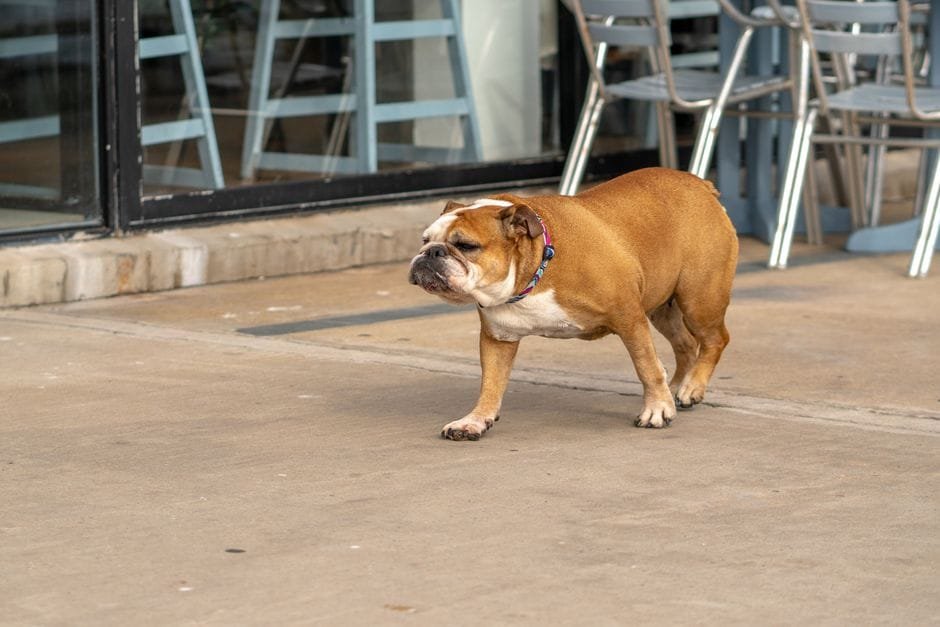
Knowing your dog’s normal is your best diagnostic tool. Changes in breathing pattern, appetite, energy, or gait that persist for more than 24 to 48 hours deserve a call. For these specific signs, do not wait:
- Blue or pale gums
- Collapse or sudden inability to stand
- Unproductive retching with a bloated belly
- Seizures
- Laboured breathing that does not improve with rest
For anything else, a quick call to your vet to describe the symptoms will usually tell you whether you need to come in today or watch and wait. The english bulldog health problems owners should prepare for are manageable with good communication between you and a vet who knows the breed. Find one who has experience with brachycephalic dogs, it makes a real difference. You can learn more about Brachycephalic Obstructive Airway Syndrome from a reliable medical overview, and the published research on brachycephalic breeds gives useful context on how anatomy drives these conditions.
FAQ
What is the most common health problem in English Bulldogs?
BOAS (Brachycephalic Obstructive Airway Syndrome) is the most frequently seen and most impactful condition. Nearly all English Bulldogs have some degree of airway compromise, ranging from mild snoring to severe breathing difficulty requiring surgery.
How much should I budget annually for English Bulldog vet bills?
Routine care typically costs $500 to $1,000 per year. Factor in a separate emergency or surgery fund of at least $2,000 to $3,000, since unplanned procedures are common with this breed. Pet insurance can offset major costs significantly.
Can English Bulldog health problems be prevented or reduced?
Not entirely, because many issues are structural and genetic. But keeping your bulldog at a healthy weight, cleaning skin folds regularly, avoiding heat exposure, and scheduling routine vet check-ups can reduce the severity and frequency of many conditions considerably.
Is pet insurance worth it for an English Bulldog?
For most owners, yes. The breed’s known health risks mean that even one surgery can cost more than a year or two of premiums. The key is enrolling early, before any conditions are diagnosed and classified as pre-existing.
At what age do English Bulldogs typically start showing health issues?
Some problems, like cherry eye or early BOAS signs, can appear in the first year of life. Joint and heart issues often become more noticeable between ages three and six. Starting regular vet check-ups from puppyhood gives you the best chance of catching anything early.