
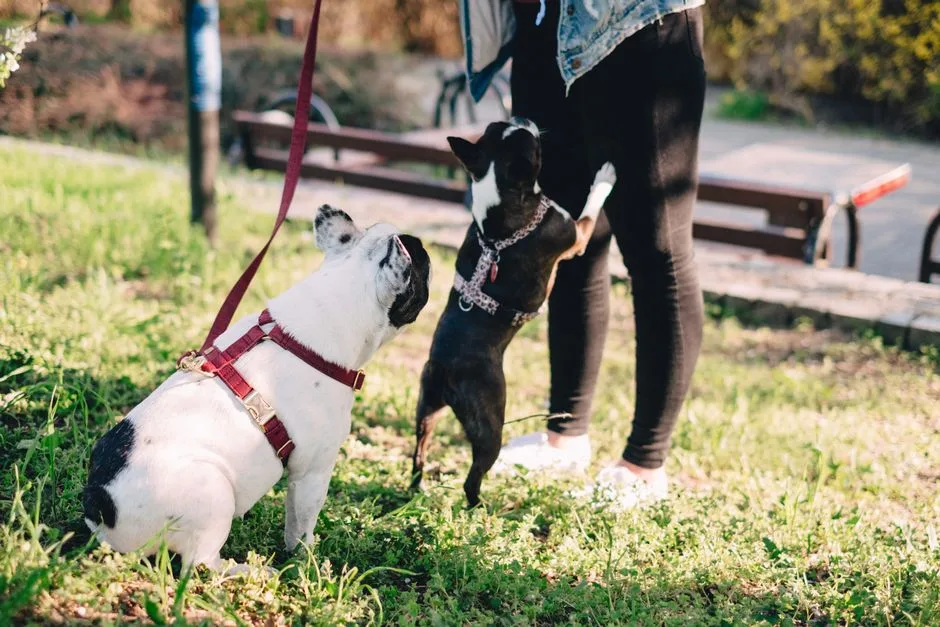
This French Bulldog puppy socialization guide gives you a practical, stage-by-stage roadmap built around the real quirks of the breed, not just copy-pasted general puppy advice. Frenchies are loyal, bold, and often stubborn, and their flat-faced anatomy means you need to think carefully about how, when, and how long you socialize them.
Why Socialization Is Critical for French Bulldog Puppies
A well-socialized French Bulldog is a joy to live with. One that missed out on proper early exposure can grow into a dog that barks at strangers, struggles around other dogs, or shuts down in unfamiliar places. That’s not a character flaw; it’s usually a gap in early experience.
Frenchies bond deeply with their people, which is one of their best traits. But that same intensity can tip into anxiety or reactivity if they don’t learn early that the world is mostly safe and interesting. The goal of socialization isn’t to make your puppy fearless; it’s to build a dog who can cope confidently with everyday life.
The Socialization Window: When to Start and Why Timing Matters
Puppies have a critical developmental window, roughly between 3 and 14 weeks of age, when the brain is primed to absorb new experiences without fear. After around 16 weeks, the window doesn’t slam shut, but it narrows significantly. Experiences introduced after this point take far more repetition to feel normal.
Research from behavioural science consistently supports early, positive exposure as the most reliable predictor of a stable adult dog. The science of dog socialization confirms that the quality of early experiences shapes behaviour for life. For Frenchie owners, this means the first 16 weeks are genuinely precious time.
Stage-by-Stage Socialization Plan (Weeks 3-16 and Beyond)
Weeks 3 to 7: With the Breeder
Good breeders start socialization before your puppy ever comes home. Gentle handling by multiple people, exposure to household sounds, and brief novel experiences all happen during this phase. When choosing a breeder, ask what they do to socialize litters early. It matters more than most buyers realize.
Weeks 8 to 10: First Two Weeks Home
Your puppy’s immune system is still developing, so keep outings controlled. Focus on in-home experiences: different floor surfaces, the sound of the vacuum, visitors coming over, children if you have them, the crate, and gentle handling of paws, ears, and mouth. Keep sessions short, five to ten minutes at most, and always end on a positive note.
Weeks 10 to 14: Expanding the World
Once your vet gives the go-ahead, start introducing your puppy to the outside world in low-risk ways. Carry them around the neighbourhood so they observe traffic, strangers, and other dogs without full ground contact. Puppy classes that require proof of vaccination are a great option here. This is the heart of the socialization window.
Weeks 14 to 16 and Beyond
By now your pup should have had dozens of positive new experiences. Keep reinforcing them. The french bulldog puppy socialization guide principle here is maintenance: don’t stop after 16 weeks thinking the job is done. Ongoing, varied exposure keeps confidence high as your puppy grows.
People, Places, and Sounds: Building a Confident Frenchie
Think in categories when building your exposure list. People means: men with beards, children running, people in hats, people with umbrellas, delivery drivers, and the vet. Places means: car rides, pet-friendly shops, outdoor cafes, different surfaces like gravel, grass, and wet pavement. Sounds means: thunder recordings, fireworks on YouTube, the blender, the doorbell.
Pair every new experience with something your puppy loves, a tiny treat, praise, or a favourite toy. You’re teaching your Frenchie that new equals good. Keep your own energy calm and matter-of-fact. If you tense up when a cyclist whizzes past, your puppy notices.
Also think about what your Frenchie will encounter regularly as an adult. If you live in a flat, make lift sounds and echoing corridors part of the plan. Checking out some of the best dog foods for a French Bulldog puppy can also support the energy and focus your pup needs during these active learning weeks.
Socializing Your French Bulldog Puppy With Other Dogs Safely
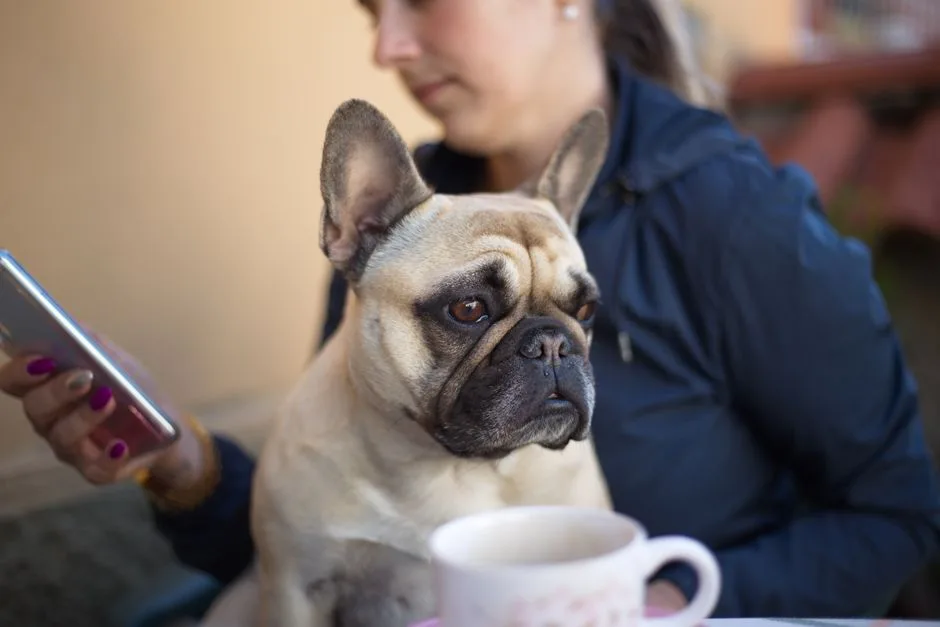
This is where Frenchies get interesting. They can be selective about canine company, and their unusual body language, the flat face, the upright ears, the compact posture, can confuse other dogs. Understanding why other dogs sometimes react negatively to French Bulldogs helps you set up interactions that are fair to your puppy and to the dogs they meet.
Start with calm, vaccinated adult dogs owned by people you trust. Avoid busy dog parks until your puppy is confident and has solid recall. Puppy classes are ideal because every dog there is at a similar developmental stage. Watch for stress signals: lip licking, yawning, turning away, tucked tail. These mean your puppy has had enough, not that they’re being dramatic.
Brachycephalic Considerations During Socialization (Heat, Overexertion, Stress)
French Bulldogs have shortened airways, and this genuinely changes how you should run socialization sessions. A Frenchie who is overheated, over-stimulated, or overtired can’t learn anything useful; they’re just in survival mode. Watch for loud snorting, laboured breathing, or flopping down mid-play. Those are real signals to stop, not cute quirks to push through.
Keep outdoor sessions under 15 minutes in warm weather. Morning or evening outings are safer in summer. Never leave your puppy in a hot car during a socialization outing, and bring water on any trip outside the home. Stress also affects brachycephalic dogs more visibly because they can’t pant as efficiently. A calm environment is a safer environment.
Good nutrition supports your puppy’s resilience during this demanding period. Solid diet tips to support your French Bulldog puppy’s development can make a real difference to energy levels and recovery between sessions.
Common Socialization Mistakes French Bulldog Owners Make
- Flooding: Dropping your puppy into an overwhelming situation and hoping they’ll “get used to it.” This backfires badly and can create lasting fear responses.
- Skipping the window: Waiting until vaccinations are fully complete before starting any socialization. The risk of missing the critical window often outweighs the risk of controlled, low-exposure outings.
- Only socializing at home: Your puppy needs to meet the actual world, not just your living room.
- Ignoring stress signals: Pushing through when your puppy is clearly uncomfortable doesn’t build confidence; it erodes trust in you as a safe base.
- Stopping too soon: Socialization at 16 weeks is a beginning, not an ending.
Tips for Puppies Who Are Shy, Reactive, or Overwhelmed
Some Frenchie puppies are naturally more cautious. That’s not a failure on your part or theirs. Work at the edge of their comfort zone, not past it. If your puppy notices a stranger but isn’t afraid, that’s the right distance. Reward them for looking calmly, then let them choose to move closer or not.
For puppies who seem reactive or shut down, consult a certified dog trainer who uses positive reinforcement methods. A professional assessment early is far easier to work with than a deeply ingrained behaviour pattern at 18 months. Your vet can also rule out any underlying health factors affecting your puppy’s temperament or stress tolerance.
The french bulldog puppy socialization guide approach for sensitive pups is simply: go slower, reward more generously, and trust the process.
Socialization Checklist: 100 Things Before 16 Weeks
Print this out and tick off experiences as your puppy meets them. Aim for calm, positive exposure each time.
People
- Men, women, children, babies
- People in hats, hoods, sunglasses, uniforms
- People with beards, walking sticks, pushchairs
- Visitors to your home, delivery drivers
- Vets and grooming handling (paws, ears, mouth, tail)
Environments
- Car travel, lifts, stairs
- Grass, gravel, wet ground, tiles, carpet, sand
- Outdoor cafes, pet-friendly shops, car parks
- Urban streets, quiet country paths
- Being carried in a bag or held while observing
Sounds
- Vacuum cleaner, washing machine, hairdryer
- Doorbell, phone ringing, TV at volume
- Fireworks and thunder (use recordings at low volume first)
- Traffic, buses, motorcycles
- Children playing loudly, crowds
Animals and Handling
- Calm, vaccinated adult dogs
- Cats (from a safe distance first)
- Being picked up and put down calmly by different people
- Gentle restraint for a few seconds
- Crate time, alone time, separation practice
You won’t tick every box perfectly, and that’s fine. The point of this french bulldog puppy socialization guide checklist is variety and consistency, not perfection.
FAQ
When should I start socializing my French Bulldog puppy?
Start from the moment your puppy comes home, typically around 8 weeks old. In-home socialization can begin even earlier with a responsible breeder. The critical window runs until around 14 to 16 weeks, so early action genuinely matters.
How do I socialize a French Bulldog puppy before vaccinations are complete?
Carry your puppy in areas where unknown dogs haven’t been, visit vaccinated dogs in private homes, attend puppy classes that require health checks, and focus heavily on in-home socialization with people and sounds. Consult your vet about your specific puppy’s vaccination schedule and local risks.
Why does my French Bulldog puppy seem scared or aggressive with other dogs?
Frenchies communicate differently from other breeds due to their body shape, and some dogs misread this as rude or threatening. A puppy who missed early positive dog interactions may also be defensive. Keep introductions slow, use calm adult dogs as teachers, and seek a trainer’s help if the behaviour is consistent.
How long should socialization sessions be for a brachycephalic puppy?
Keep sessions to five to fifteen minutes, especially in warm conditions. Watch your puppy, not the clock. Loud snorting, heavy panting, or flopping down are signs to stop. Multiple short positive sessions across a day are far more effective than one long, exhausting one.
Is it too late to socialize a French Bulldog puppy after 16 weeks?
No, though it takes more patience and consistency. The critical window closes, but dogs continue learning throughout their lives. A positive-reinforcement trainer can help you catch up, and steady, low-pressure exposure to new experiences still builds confidence at any age.