
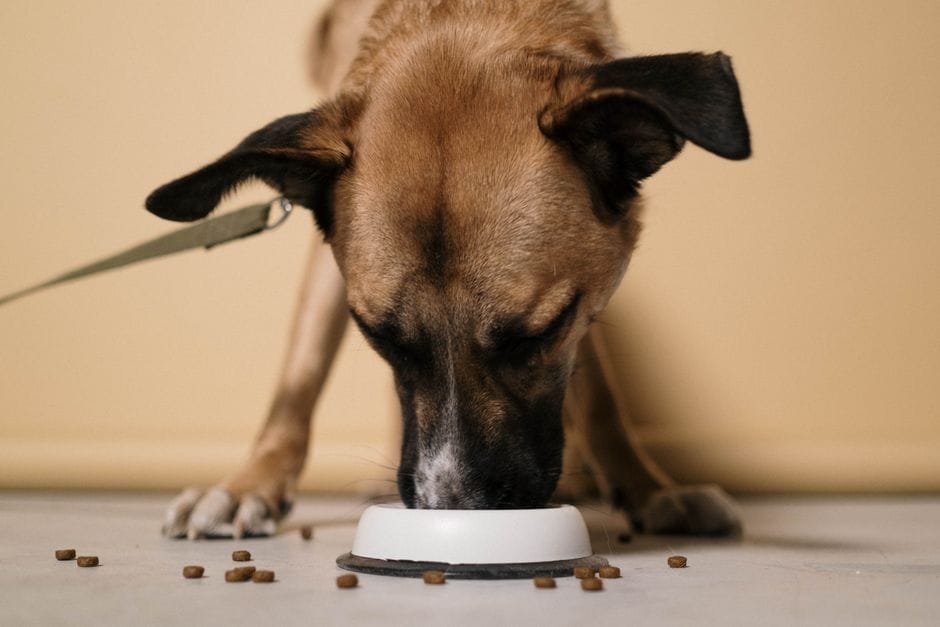
Knowing how to choose the right dog food for your breed is genuinely one of the most valuable things you can do for your dog’s long-term health. The pet food aisle is enormous, the claims on the bags are confusing, and it’s easy to second-guess yourself at every turn. This guide cuts through the noise with a clear, step-by-step framework, and if you own a bulldog, French Bulldog, Boston Terrier, or any other flat-faced breed, you’ll find this written with you specifically in mind.
Why Breed Matters When Choosing Dog Food
Different breeds carry different physical traits, metabolic rates, and health tendencies. A Great Dane and a French Bulldog may weigh the same at certain life stages, but their nutritional needs look nothing alike. Breed size affects everything from kibble shape to caloric density. Body structure influences how your dog absorbs nutrients and processes food. And certain breeds are predisposed to conditions, skin sensitivities, joint problems, digestive issues, that smart food choices can help manage.
Brachycephalic breeds like English Bulldogs, French Bulldogs, and Boston Terriers have compressed airways and a particular jaw structure that affects how they eat. They tend to gulp air while eating, which contributes to gas and bloating. Their skin folds can reflect what’s happening inside, and many are prone to food sensitivities. These aren’t reasons to panic, they’re just reasons to pay attention.
Step 1: Match Food to Your Dog’s Size and Life Stage
Before anything else, look at size-appropriate formulas. Dog food manufacturers design kibble size, calorie density, and nutrient ratios around whether a dog is small, medium, or large breed. French Bulldogs and Boston Terriers fall into the small-to-medium category. English Bulldogs and American Bulldogs are solidly medium-to-large. Feeding a large-breed formula to a small dog, or vice versa, can lead to imbalanced calcium and phosphorus levels over time, particularly in growing puppies.
Life stage matters just as much. Puppies need more protein and fat to support growth. Adult dogs need maintenance-level nutrition. Senior dogs often benefit from lower-calorie foods with joint-supporting nutrients like glucosamine. If your bulldog is still a puppy, look for a formula labelled “for growth” or “all life stages.” Never assume an adult food is fine just because your dog tolerates it, tolerating something and thriving on it are different things.
Step 2: Consider Breed-Specific Health Needs (Skin, Joints, Digestion, Breathing)
This is where knowing your breed pays off. Bulldogs and their flat-faced relatives are famously prone to skin fold dermatitis, seasonal allergies, and general skin irritation. Foods with omega-3 fatty acids, sourced from fish oil or flaxseed, support skin barrier function. If your dog is scratching constantly or has recurring hot spots, food could be a contributing factor worth discussing with your vet.
Joint health is another big one, especially for heavier breeds. English Bulldogs and American Bulldogs carry significant weight on a relatively compact frame. Look for foods that include glucosamine and chondroitin, either naturally occurring (from chicken meal or fish) or added. You can find detailed guidance in this American Bulldog diet and nutrition guide, which covers weight management and joint support in depth.
Digestion is a particular concern for brachycephalic breeds. Because they eat fast and swallow air, they’re gassy by nature, but a highly processed food with lots of fillers, artificial additives, or low-quality protein sources can make things significantly worse. Look for foods with a single, named animal protein as the first ingredient and limited by-products.
Step 3: Decode the Ingredient Label, What to Look For and Avoid
The ingredient label is listed by weight, heaviest first. That means a food listing “chicken” as the first ingredient is generally a good sign, though “chicken meal” is actually more protein-dense because the water has been removed. What you want to see near the top: a named meat or meal (chicken, salmon, beef), whole grains or digestible carbohydrates (brown rice, sweet potato, oats), and a named fat source (chicken fat, salmon oil).
What to be cautious about: vague terms like “meat by-products” without a species name, artificial preservatives (BHA, BHT, ethoxyquin), and excessive corn syrup or added sugars. For sensitive bulldogs, common allergens include chicken, beef, dairy, and wheat, so if your dog has recurring digestive or skin issues, a limited-ingredient or novel-protein food may be worth exploring with your vet’s input.
If you’re looking at high-quality dog food options like Canidae, apply this same label-reading framework rather than relying solely on brand reputation. The label always tells you more than the front of the bag.
Step 4: Choose the Right Food Format (Kibble, Wet, Raw, Mixed)
Dry kibble is the most common format for good reasons: it’s convenient, calorie-dense, and good for dental health. For brachycephalic breeds, look for smaller or specially shaped kibble, some brands make flat or irregular shapes that are easier for short-muzzled dogs to pick up without straining. Standard large kibble can be frustrating and cause your bulldog to eat faster, gulping more air.
Wet food is higher in moisture, which can benefit dogs who don’t drink enough water. It’s often more palatable for picky eaters. The trade-off is cost and a shorter shelf life once opened. Raw and fresh-cooked diets have passionate advocates, but they require careful handling and nutritional balancing, if you’re interested in raw feeding, get guidance from a vet with experience in that area before making the switch.
Mixing wet and dry food is a practical middle ground many owners use successfully. It adds moisture and palatability without fully committing to a wet-food budget. Just adjust portion sizes so you’re not overfeeding when combining formats.
Step 5: Factor in Activity Level and Body Condition
Two bulldogs of the same age and weight can have very different caloric needs depending on how active they are. A French Bulldog who goes on two twenty-minute walks a day has different requirements than one who plays intensely in the garden. Use your dog’s body condition score as a guide: you should be able to feel your dog’s ribs without pressing hard, but not see them clearly. A visible waist when viewed from above is a healthy sign.
Overweight bulldogs are common, and it’s a real health concern, excess weight stresses joints and worsens breathing difficulties in flat-faced breeds. If your dog is currently underweight, check out this resource on how to help an underweight dog gain weight safely before making big changes on your own.
How to Transition Your Dog to a New Food Safely
Switching foods too quickly is one of the most common causes of digestive upset in dogs. A proper transition takes seven to ten days. Start with 75% of the old food mixed with 25% of the new one, then shift to 50/50 around day four, then 25% old and 75% new by day seven, and fully new food by day ten. Brachycephalic breeds can be especially sensitive to sudden dietary changes, so err on the side of going slower rather than faster.
Watch for loose stools, vomiting, or a loss of appetite during the transition. A little soft stool in the first few days is normal. Persistent problems after a week suggest the new food may not suit your dog, and it’s worth calling your vet.
Red Flags: Signs Your Dog’s Food Isn’t the Right Fit

Your dog’s body gives clear signals when something isn’t working. Persistent loose stools or constipation, excessive gas, dull or flaky coat, constant scratching, low energy, or unexplained weight gain or loss are all worth paying attention to. None of these symptoms automatically mean the food is the problem, but food is often the first variable worth examining.
For bulldog owners, pay particular attention to skin fold areas. If your dog’s folds are chronically red or infected despite regular cleaning, a food sensitivity could be playing a role. Keep a brief food diary when trying something new, it’s surprisingly useful when you’re trying to identify patterns over time.
Knowing how to choose the right dog food for your breed is an ongoing process, not a one-time decision. Your dog’s needs shift as they age, their weight changes, and their health evolves. The best approach is staying observant and staying in regular contact with your vet.
FAQ
Is breed-specific dog food actually worth it or is it a marketing gimmick?
Partly both. Some breed-specific formulas offer genuinely useful differences, kibble shape designed for flat-faced breeds is a real benefit, for example. Others are primarily a marketing angle with very similar ingredients to standard formulas. Use the label-reading skills above to judge any food on its actual contents rather than breed-specific branding.
What should I feed a French Bulldog with a sensitive stomach?
Look for a limited-ingredient food with a single, easily digestible protein source (like fish or turkey) and simple carbohydrates (sweet potato, rice). Avoid foods with lots of additives, artificial preservatives, or common allergens like chicken or dairy until you identify your dog’s specific triggers. Your vet can recommend an elimination diet if symptoms persist.
How do I know if my dog’s current food is causing health problems?
Signs to watch include recurring loose stools, excessive gas, itchy skin, dull coat, or ear infections that don’t resolve. These can have many causes, but food is worth ruling out. An elimination diet under vet guidance is the most reliable way to identify a food sensitivity or allergy.
Should I feed my dog wet food, dry food, or a mix?
All three approaches can work well. Dry kibble supports dental health and is cost-effective. Wet food adds moisture and suits picky eaters. A mix combines benefits of both, just be careful to adjust total portion sizes so you’re not overfeeding. For brachycephalic breeds, smaller or specially shaped dry kibble is worth seeking out.
How often should I re-evaluate my dog’s food as they age?
A rough guide is to revisit your dog’s food at each major life stage: puppy to adult (usually around 12 months for small breeds, up to 18-24 months for larger ones), and again when your dog enters their senior years (typically around 7 years for most bulldog breeds). Any significant change in weight, activity level, or health condition is also a good prompt to reassess.