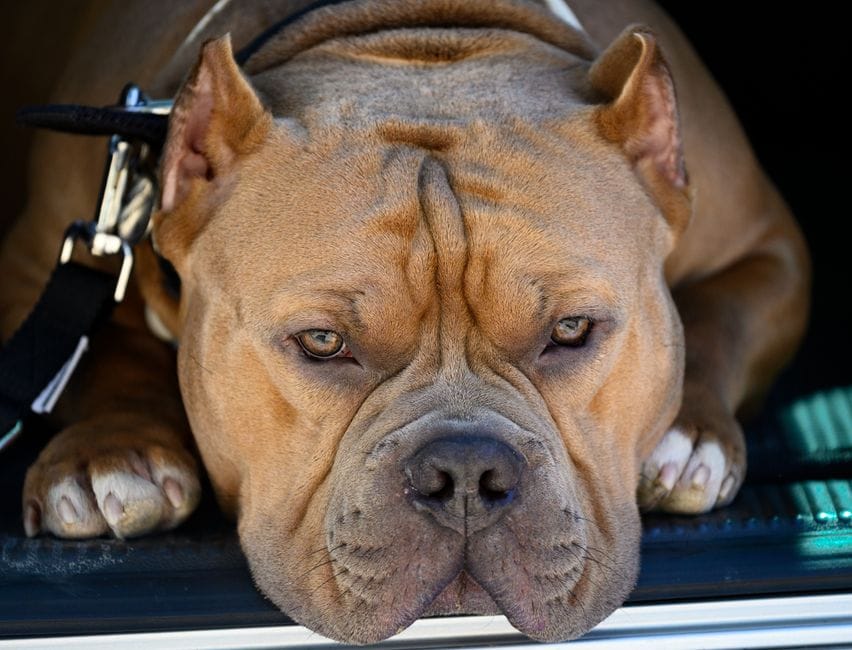

The American Bulldog diet and nutrition complete guide starts with one key fact: this is not a small, sedentary dog. American Bulldogs are large, muscular, and physically active, which means their feeding needs are genuinely different from those of a French or English Bulldog. Get the nutrition right, and you’ll have a lean, energetic dog with healthy joints and a long life. Get it wrong, and excess weight can stress their frame surprisingly fast.
What Makes American Bulldog Nutrition Unique (vs Other Bulldogs)
American Bulldogs typically weigh between 60 and 120 pounds, depending on type and sex. That’s two to three times the weight of a French Bulldog. They also carry significantly more muscle mass and have much higher energy output, especially in their younger years. This means they need more total calories, more protein to maintain that muscle, and the right joint-supporting nutrients to protect a frame that carries real weight.
Unlike their brachycephalic cousins (English and French Bulldogs, whose flat faces can make exercise difficult), American Bulldogs can sustain longer bouts of activity. Their diet should reflect that. To understand how American Bulldogs differ from American Bullies, it also helps to know that the two breeds have overlapping appearances but quite different builds and activity levels, which affects feeding requirements.
The broad nutritional priorities for this breed are high-quality protein, moderate healthy fats, controlled carbohydrates, and targeted joint support. These priorities shift slightly across life stages, but they stay consistent as the foundation.
How Much Should an American Bulldog Eat? (Feeding Chart by Weight & Age)
Daily food intake depends on your dog’s weight, age, and activity level. The figures below are based on a standard dry kibble with roughly 350-400 calories per cup. Always check the specific caloric density of your chosen food and adjust accordingly.
| Dog Weight | Life Stage | Daily Food (cups of dry kibble) | Meals Per Day |
|---|---|---|---|
| 20–40 lbs (puppy) | Puppy (under 12 months) | 2.5 – 3.5 cups | 3 |
| 60–80 lbs | Adult (active) | 3.5 – 4.5 cups | 2 |
| 80–100 lbs | Adult (active) | 4.5 – 5.5 cups | 2 |
| 100–120 lbs | Adult (active) | 5.5 – 6.5 cups | 2 |
| 60–100 lbs | Senior (low activity) | 3 – 4 cups | 2 |
These are starting points, not fixed rules. A working or sport dog needs more. A neutered adult with limited exercise needs less. Check your dog’s body condition monthly and adjust portions from there.
Best Protein Sources for American Bulldogs
Protein is the cornerstone of any solid American Bulldog diet and nutrition plan. It repairs muscle, supports immune function, and keeps body composition lean. For a breed this muscular, you want a food where the first listed ingredient is a named animal protein: chicken, beef, turkey, lamb, or fish.
Aim for a food that delivers at least 25-30% protein on a dry matter basis for active adults. Muscle meat is preferable to meat by-products, though quality by-products (like organ meats) are not inherently bad. Fish, particularly salmon, adds the bonus of omega-3 fatty acids, which support skin, coat, and inflammation levels in joints.
Egg is another excellent protein source, highly digestible and well-suited to dogs with sensitive stomachs. If your American Bulldog has skin issues, a single-protein food (just one meat source) can help you identify any food sensitivities more easily.
Carbohydrates and Fats: Finding the Right Balance
Carbohydrates give energy and support digestive health, but the source matters. Sweet potato, brown rice, and oats are all good complex carbohydrates. They release energy slowly and carry fibre. Corn, wheat, and soy are common cheap fillers that offer less nutritional value and can trigger sensitivities in some American Bulldogs.
Fats should make up around 12-18% of the diet on a dry matter basis for active adults. Healthy fats come from chicken fat, fish oil, and flaxseed. These support coat condition and provide the dense caloric energy a large, active dog needs. Don’t go too low on fat thinking it will help with weight. The right fats in the right amount support a healthy metabolism.
Vitamins, Minerals & Supplements Worth Considering
A complete commercial diet should cover baseline vitamins and minerals. The ones worth paying attention to for American Bulldogs specifically are calcium and phosphorus (for bone density), zinc (for skin and coat health), and vitamin E (an antioxidant). Make sure any food you choose meets AAFCO standards, which means it has been formulated to meet minimum nutritional requirements.
Beyond basics, some owners and vets recommend glucosamine and chondroitin for joint support. Glucosamine is a natural compound found in cartilage; the idea is that supplementing it may support joint cushioning over time, particularly in large, heavy-framed dogs. Fish oil is another supplement that comes up frequently, with some vets suggesting it supports coat health and reduces inflammation. Always talk to your vet before adding supplements to your dog’s routine.
Probiotics are worth considering if your American Bulldog has a sensitive stomach or recurrent loose stools. A healthy gut supports everything from immunity to nutrient absorption.
Feeding American Bulldogs by Life Stage (Puppy, Adult, Senior)
Nutritional needs shift substantially across a dog’s life. Getting each stage right makes a real difference to long-term health.
Puppies (Birth to 12-18 Months)
American Bulldog puppies grow fast and need more calories per pound of body weight than adults. Feed a food labelled for large breed puppies, not just any puppy food. Large breed puppy formulas have controlled calcium-to-phosphorus ratios, which is important because too much calcium during rapid growth can cause skeletal problems. Feed three times daily until around six months, then drop to twice daily.
Adults (18 Months to 7 Years)
An adult American Bulldog needs a diet that maintains muscle without adding excess fat. Feed twice a day, measure portions, and keep treats to no more than 10% of total daily calories. Activity level is the biggest variable here. A dog that runs and works needs significantly more food than a relaxed house dog of the same weight.
Seniors (7 Years and Older)
Older American Bulldogs slow down, and their caloric needs drop accordingly. Some benefit from a senior formula with slightly lower fat and added joint support. Keep protein levels up though; older dogs still need adequate protein to preserve muscle mass. This is a stage where joint supplements are especially worth discussing with your vet.
If you’re still getting familiar with the breed, guidance designed specifically for first-time American Bulldog owners covers the broader picture of what this breed needs day to day.
Foods to Avoid: What’s Harmful to American Bulldogs
Some foods that are harmless to humans are genuinely dangerous for dogs. Keep all of the following away from your American Bulldog:
- Grapes and raisins: can cause sudden kidney failure, even in small amounts
- Onions and garlic: damage red blood cells and cause anaemia
- Chocolate: contains theobromine, toxic to dogs
- Xylitol: an artificial sweetener found in some peanut butters and sugar-free products; causes rapid blood sugar drops
- Macadamia nuts: cause weakness, vomiting, and tremors
- Cooked bones: splinter and can puncture the digestive tract
- Alcohol and caffeine: toxic even in small quantities
Raw onion and garlic are especially easy to miss because they appear in leftovers, sauces, and cooked meals. A good rule: table scraps are rarely worth the risk.
Managing Weight in American Bulldogs (Preventing Obesity & Joint Stress)
A proper American Bulldog diet and nutrition approach has to account for weight management. American Bulldogs are built heavy by nature, but excess fat weight puts real strain on hips, elbows, and knees. Even a few extra pounds on a 90-pound dog adds meaningful stress to those joints over months and years.
You can assess your dog’s condition using the body condition score (BCS) scale. Run your hands along your dog’s ribcage. You should be able to feel the ribs without pressing hard, but they shouldn’t protrude visibly. Looking from above, a healthy dog should have a visible waist behind the ribs. From the side, the abdomen should tuck up slightly. If you can’t feel the ribs or see a waist, it’s time to reduce portions and increase exercise. Understanding the size and weight differences between bully breeds can also help you set realistic expectations for what a healthy weight looks like.
Slow, steady weight loss (around 1% of body weight per week) is far safer than crash dieting. Don’t cut meals entirely; reduce portions by 10-20% and reassess after two to three weeks.
Raw vs Kibble vs Wet Food: Pros and Cons for This Breed
All three feeding approaches can work well for American Bulldogs. The best choice depends on your budget, time, and your individual dog’s health.
Dry Kibble
The most practical and widely used option. Easy to measure, store, and budget. Look for a high-protein, large breed formula with a named meat as the first ingredient. The downside is that quality varies enormously between brands, and cheaper kibbles often use fillers that don’t suit this breed.
Wet Food
Higher moisture content helps with hydration, and many dogs find it more palatable. Good as a complement to kibble. Less economical as a sole diet for a large dog, and doesn’t provide the dental friction that dry food does. Check that wet foods meet AAFCO standards for complete nutrition if using as the main feed.
Raw Food (BARF or Prey Model)
Some owners swear by raw diets for coat quality, muscle definition, and digestion. The potential benefits are real, but so are the risks: bacterial contamination (salmonella, E. coli), nutritional imbalances if not carefully managed, and higher cost. If you go raw, work with a vet or canine nutritionist to ensure the diet is balanced. See the research on raw pet food safety from the NIH for a balanced overview of the evidence.
Feeding Tips and Common Mistakes American Bulldog Owners Make
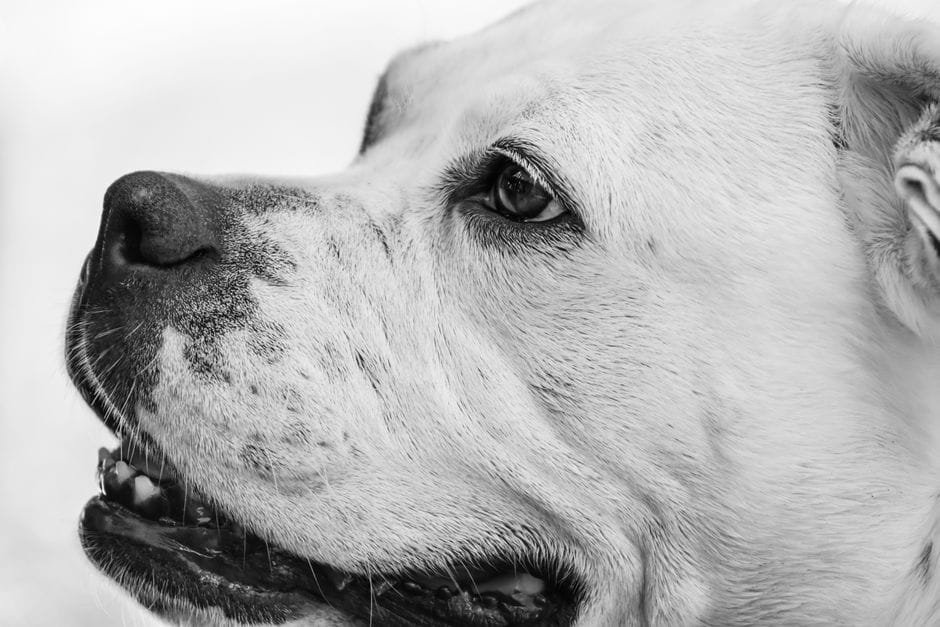
A few practical habits make a big difference over time:
- Always measure portions with a cup or scale. Eyeballing is the fastest route to an overweight dog.
- Feed twice a day rather than once. Large meals increase the risk of bloat (gastric dilatation), which can affect deep-chested breeds.
- Use a slow feeder bowl if your dog eats too fast. This reduces air swallowing and digestive discomfort.
- Don’t free-feed. Leaving food out all day removes your ability to track intake and monitor appetite changes (which can signal illness).
- Transition new foods gradually over 7-10 days to avoid digestive upset.
The biggest mistake is treating a 90-pound American Bulldog like a scaled-up lap dog. This breed is athletic and needs a diet that respects its muscle mass and energy requirements. For a thorough look at the science behind canine nutrition generally, the NIH’s overview of essential nutrients in dog diets is worth reading alongside breed-specific guidance.
With consistent portions, quality ingredients, and regular body condition checks, a well-fed American Bulldog diet and nutrition routine is straightforward to maintain and pays off clearly in your dog’s energy, coat, and long-term mobility.
FAQ
How much should I feed my American Bulldog per day?
Most adult American Bulldogs need between 3.5 and 6.5 cups of dry kibble per day, split across two meals. The exact amount depends on your dog’s weight, age, and activity level. Use the feeding chart above as a starting point, then adjust based on your dog’s body condition.
What is the best dog food for American Bulldogs?
Look for a large breed formula with a named animal protein (chicken, beef, lamb, fish) as the first ingredient, at least 25% protein on a dry matter basis, and no corn or soy as primary ingredients. The food should meet AAFCO nutritional standards. Avoid recommending specific brands here; focus on reading ingredient labels and nutritional panels rather than marketing claims.
Can American Bulldogs eat raw food?
Yes, some American Bulldogs do well on a raw diet. The key is ensuring the diet is nutritionally complete and balanced, which usually requires guidance from a vet or canine nutritionist. Raw diets carry a risk of bacterial contamination and can be nutritionally incomplete if not properly formulated, so do your research carefully before switching.
How do I know if my American Bulldog is overweight?
Use the body condition score check: you should be able to feel your dog’s ribs without pressing hard, see a visible waist from above, and notice a slight abdominal tuck from the side. If the ribs are buried under fat or the waist has disappeared, your dog is likely carrying too much weight. A vet can confirm with a formal body condition score and help you build a safe weight loss plan.